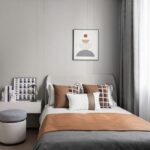
Introduction to 2026 Home Decor Color Trends
Home decor trends evolve every year, but some color movements become especially influential because they reflect the way people want their homes to feel. In 2026, interior design is embracing comfort, warmth, and natural inspiration more than ever before. Earthy neutrals and warm palettes are dominating home decor because they create spaces that feel calm, welcoming, and timeless.
These colors draw inspiration from nature sand, clay, wood, terracotta, and soft sunlight tones. Instead of cool greys and stark whites that dominated previous years, homeowners are shifting toward warmer and more organic shades. The result is interiors that feel relaxed, balanced, and visually soothing.
Designers are using these colors across walls, furniture, textiles, and decorative accents to build harmonious living spaces. Whether someone is redesigning a living room, bedroom, or entire home, earthy neutrals and warm tones provide a versatile foundation that works with many decor styles.
Why Earthy Neutrals Are Dominating Interior Design
One of the biggest reasons earthy neutrals are trending is their ability to make a space feel grounded and peaceful. These tones mimic elements found in nature, which naturally helps people feel more relaxed and comfortable in their surroundings.
Earthy neutrals include shades like beige, sand, taupe, warm ivory, and soft brown. Unlike cooler neutrals, these tones contain subtle warm undertones that prevent rooms from feeling sterile or overly minimal.
Another advantage is versatility. Earthy neutrals pair beautifully with many design styles such as modern, rustic, bohemian, Scandinavian, and contemporary interiors. They allow homeowners to experiment with textures, materials, and accents without creating visual clutter.
These colors also age well. While bold color trends may fade quickly, neutral palettes remain stylish for years, making them a practical choice for long-term home design.
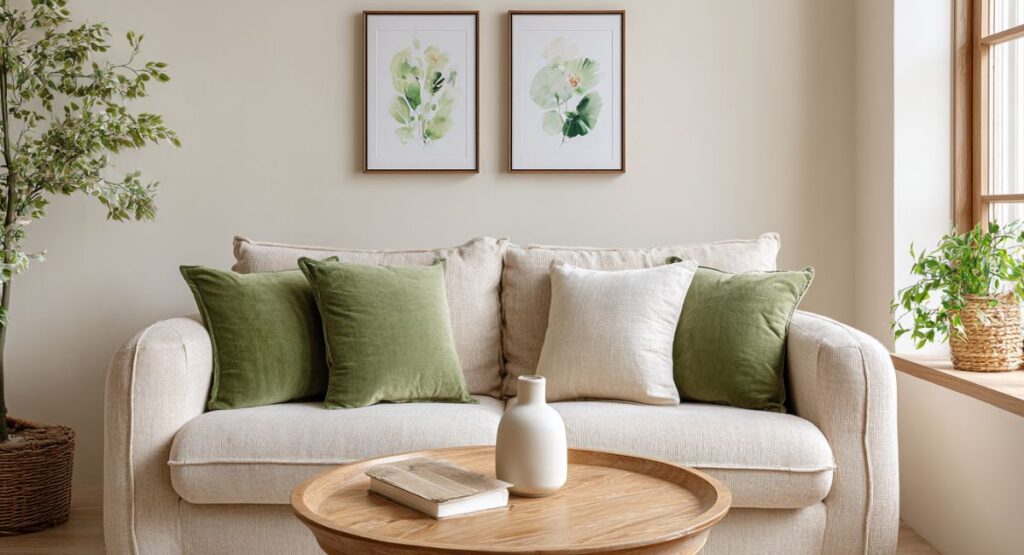
The Rise of Warm Color Palettes in 2026
Warm palettes are becoming increasingly popular because they add personality and emotional warmth to living spaces. Instead of relying solely on neutral tones, designers are layering subtle warm colors that create depth and visual interest.
Popular warm tones include terracotta, clay red, burnt orange, warm caramel, muted mustard, and dusty rose. These shades bring energy and character without overwhelming a room.
Warm palettes also complement natural materials such as wood, stone, linen, and ceramic decor pieces. When combined, they create interiors that feel organic and thoughtfully curated.
Homeowners who want their spaces to feel cozy and inviting are particularly drawn to these palettes. Warm tones are especially effective in living rooms and bedrooms where comfort and relaxation are priorities.
Popular Earthy Neutral Colors for 2026
Several specific earthy shades are becoming favorites among interior designers and homeowners. These colors form the foundation of modern interiors while allowing flexibility for decorative styling.
Soft beige is one of the most widely used tones because it provides warmth without feeling heavy. Sand tones offer a slightly lighter and airier alternative, making them ideal for smaller rooms.
Taupe is another highly versatile neutral that blends grey and brown undertones. It works particularly well in sophisticated living spaces or bedrooms where subtle elegance is desired.
Warm ivory is replacing cool white in many homes. It reflects light beautifully while maintaining a cozy atmosphere. This shade works well for walls, ceilings, and larger furniture pieces.
Deep earthy browns are also returning in furniture and cabinetry, adding richness and contrast to neutral interiors.
Trending Warm Accent Colors
While neutrals form the base of most interiors, warm accent colors add personality and visual interest. These accents appear in throw pillows, artwork, rugs, curtains, and decorative accessories.
Terracotta remains one of the strongest accent colors in 2026. Its rich clay tone brings warmth and Mediterranean charm to interiors. It pairs exceptionally well with beige and sand-colored walls.
Burnt orange is another trending shade that adds energy without being too bold. Designers often use it in cushions, blankets, and statement chairs.
Muted mustard yellow introduces brightness while still maintaining an earthy feel. It works particularly well in spaces with natural wood furniture.
Dusty rose and warm blush tones are also appearing in modern interiors. These soft colors add subtle elegance and warmth without overpowering the neutral palette.
Best Rooms to Use Earthy Neutrals and Warm Palettes
Certain rooms benefit especially from these trending color combinations because they emphasize comfort and relaxation.
Living rooms are ideal spaces for earthy neutrals. Beige or taupe walls combined with warm-toned furniture create a cozy and welcoming environment for family gatherings and guests.
Bedrooms also benefit from these calming tones. Soft sand or warm ivory walls paired with terracotta or caramel accents can create a restful atmosphere that promotes better sleep.
Kitchens are incorporating warm palettes through cabinetry, backsplashes, and decorative accessories. Wooden cabinets combined with warm neutral walls give kitchens a timeless and natural look.
Dining rooms often use deeper earthy shades to create an intimate atmosphere. Clay tones or warm browns can make the space feel more inviting during meals and gatherings.
How to Combine Earthy Neutrals and Warm Colors
Creating a balanced color palette requires thoughtful layering rather than simply adding multiple warm tones together. Designers often follow a simple structure to achieve harmony.
First, choose a primary neutral color for the walls or largest surfaces in the room. This could be warm ivory, beige, or taupe. This base establishes the overall mood of the space.
Next, incorporate secondary earthy tones through furniture or large decorative pieces such as sofas, rugs, or curtains. These tones should complement the base color rather than compete with it.
Finally, add warm accents through smaller decorative items. Pillows, vases, artwork, and blankets provide opportunities to introduce terracotta, mustard, or burnt orange without overwhelming the design.
Texture also plays an important role. Materials like woven fabrics, linen, leather, wood, and ceramics help enhance the natural aesthetic of the palette.
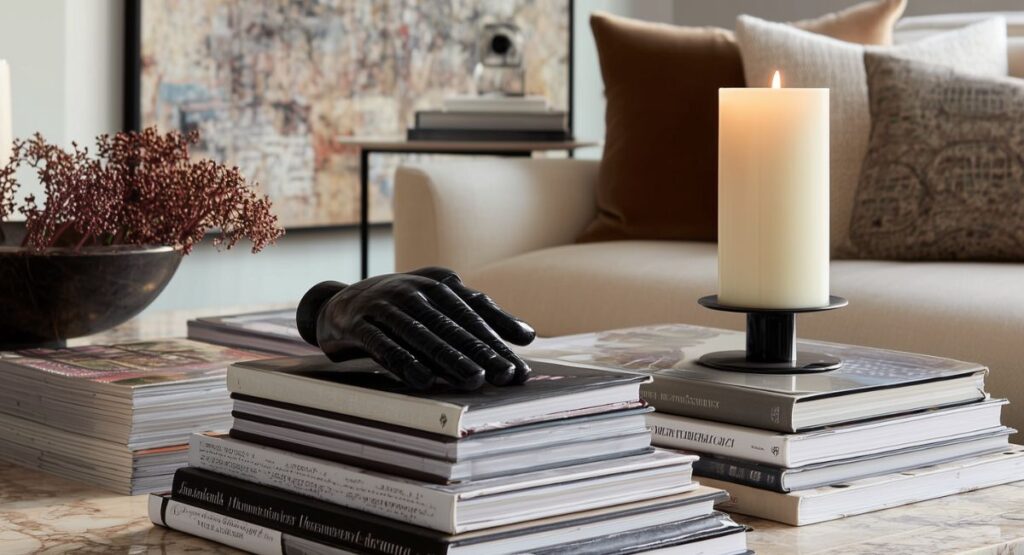
Furniture and Materials That Match the Trend
Color trends are closely connected to materials and textures used in interior design. Earthy neutrals and warm palettes pair best with organic and natural materials.
Wood furniture remains a key element in these interiors. Light oak, walnut, and teak finishes all complement warm color schemes. These materials add visual warmth and durability.
Stone surfaces such as marble, travertine, and limestone are also popular. They introduce subtle natural patterns that enhance the earthy theme.
Textiles like linen, cotton, wool, and jute bring softness and texture to the space. These fabrics often appear in curtains, rugs, and upholstered furniture.
Ceramic and clay decor items further reinforce the natural color palette. Vases, bowls, and decorative sculptures made from earthy materials add authenticity to the design.
Common Mistakes to Avoid When Using Warm Palettes
Although warm palettes create beautiful interiors, certain mistakes can reduce their effectiveness. Avoiding these issues ensures a balanced and stylish result.
Using too many similar tones can make a room feel flat and monotonous. Introducing subtle contrast through darker browns or textured materials helps maintain visual interest.
Another common mistake is ignoring lighting. Warm colors look different under natural light versus artificial lighting. Testing paint samples in different lighting conditions helps ensure the desired effect.
Overloading the space with dark earthy tones can also make rooms feel smaller. Balancing darker shades with lighter neutrals keeps the room open and comfortable.
Finally, neglecting texture can make the design feel incomplete. Incorporating different materials such as wood, fabric, and ceramics adds depth to the overall aesthetic.
Quick Guide to Trending 2026 Colors
| Color Category | Popular Shades | Best Use in Home |
|---|---|---|
| Earthy Neutrals | Beige, Sand, Taupe, Warm Ivory | Walls, sofas, large furniture |
| Warm Accents | Terracotta, Burnt Orange, Mustard | Pillows, rugs, decor accessories |
| Natural Browns | Caramel, Chocolate Brown | Cabinets, wood furniture |
| Soft Warm Tones | Dusty Rose, Warm Blush | Bedrooms, decorative accents |
| Organic Greens | Olive, Moss | Plants, accent walls, textiles |
Future of Warm Interior Color Trends
The growing popularity of earthy neutrals and warm palettes reflects a broader shift toward wellness-focused home design. People increasingly want their homes to feel peaceful, comfortable, and connected to nature.
These color schemes support that goal by creating spaces that feel grounded and calming. As sustainable materials and nature-inspired interiors continue to grow in popularity, warm palettes are expected to remain a major design trend for years to come.
Another factor contributing to their longevity is adaptability. These colors can easily evolve with changing decor styles by simply updating accessories or furniture pieces.
Because of this flexibility, earthy neutrals and warm tones are not just a temporary trend but a long-term direction in modern interior design.
Conclusion
The 2026 home decor color trends highlight the beauty of earthy neutrals and warm palettes. These colors transform living spaces into inviting environments that feel natural, balanced, and timeless.
By combining warm neutrals with carefully chosen accent colors, homeowners can create interiors that reflect comfort and style simultaneously. Whether applied to walls, furniture, or decor accessories, these tones provide endless possibilities for designing beautiful spaces.
As people continue to seek warmth and authenticity in their homes, earthy-inspired palettes will remain one of the most influential trends shaping interior design in the coming years.