
Why Bonsai Willow Is a Perfect Choice for Bonsai Enthusiasts
The Bonsai Willow is one of the most graceful and visually striking bonsai trees. Known for its slender, arching branches and delicate, cascading leaves, it brings a sense of tranquility and elegance to any indoor or outdoor space. Unlike other bonsai trees, the willow’s flowing form mimics the natural weeping willow, creating a miniature landscape that feels alive and dynamic.
Whether you are a beginner or an experienced bonsai enthusiast, growing and maintaining a Bonsai Willow requires understanding its specific care needs, pruning techniques, soil requirements, and styling methods. This guide will walk you through everything from selecting your Bonsai Willow to long-term maintenance, styling ideas, common problems, and troubleshooting tips.
Why Bonsai Willow Is a Popular Choice for Bonsai Enthusiasts
Bonsai Willow trees are beloved for their distinctive drooping shape and elegant foliage. Their natural form creates movement and visual interest, which makes them ideal for display in living rooms, patios, or gardens. Unlike more rigid bonsai types, willows provide a flowing, dynamic aesthetic that can complement both traditional and modern décor.
Beyond aesthetics, Bonsai Willows are fast-growing and resilient, allowing beginners to see quick results when cared for properly. They also respond well to pruning and shaping, making them highly versatile for artistic bonsai creations.
Types of Bonsai Willow Trees
There are several varieties of willow suitable for bonsai cultivation. Each has unique characteristics and growth patterns:
- Weeping Willow (Salix babylonica) – Classic drooping branches and fast growth. Requires frequent watering and thrives outdoors.
- Dwarf Willow Varieties – Compact versions ideal for indoor bonsai. Easier to manage and prune than full-sized willow types.
- Hybrid Willow Varieties – Crossbred for faster growth, resilience, or smaller leaves. Provide unique textures and patterns for styling.
Choosing the right type depends on whether you want an indoor or outdoor bonsai, your climate, and the level of maintenance you can commit to.
Light Requirements for Bonsai Willow
Bonsai Willow trees require sufficient light to thrive. Ideally, they should receive full sun to partial shade. Outdoors, they flourish in sunny locations with morning sunlight and partial afternoon shade to prevent leaf burn.
For indoor bonsai, place the tree near a bright window with indirect sunlight. Supplementing with grow lights can help maintain healthy growth if natural light is limited. Insufficient light may result in leggy growth, pale leaves, and slower development.
Watering Needs of Bonsai Willow
Willows are naturally water-loving trees, and the bonsai version is no different. Consistent moisture is critical to their health.
- Keep the soil consistently damp, but avoid waterlogging to prevent root rot.
- Water thoroughly when the top 1–2 cm of soil feels dry.
- In hot summer months or dry indoor conditions, mist the foliage regularly to maintain humidity.
Proper watering ensures vibrant leaves, strong growth, and prevents stress that can lead to leaf drop or yellowing.
Soil Requirements and Fertilization
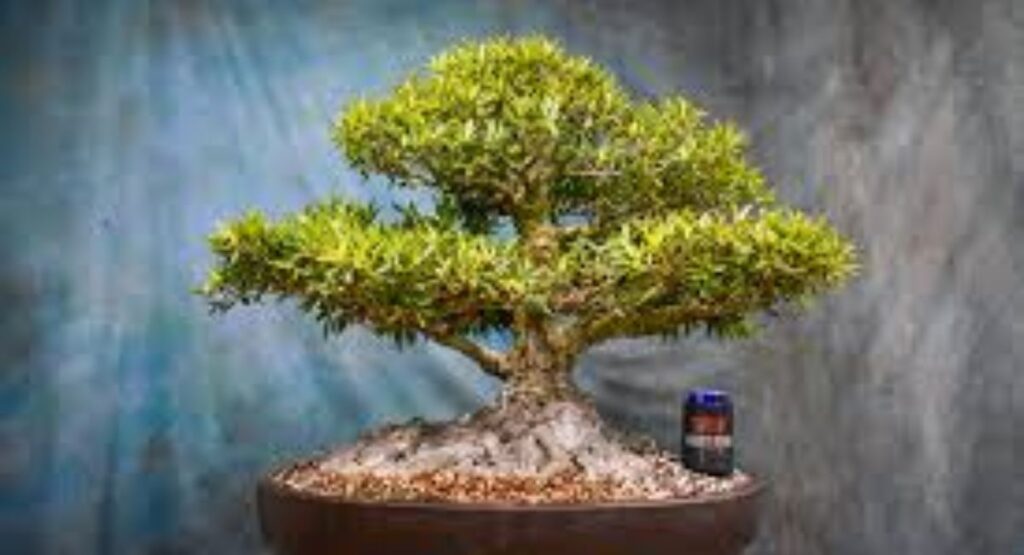
Bonsai Willow thrives in a well-draining, nutrient-rich soil. A mix of bonsai soil, organic matter, and akadama or pumice is ideal for retaining moisture while allowing excess water to drain.
Fertilization is essential due to the tree’s fast growth. Use a balanced bonsai fertilizer every 2–4 weeks during the growing season (spring through early autumn). Reduce feeding in winter when the tree is dormant. Organic liquid fertilizers or slow-release granules are both effective.
Pruning and Shaping Your Bonsai Willow
Pruning is the key to maintaining the Bonsai Willow’s elegant form. Without regular pruning, the branches can grow too long and lose the desired cascading shape.
- Structural Pruning – Remove overly long or crossing branches to maintain balance and airflow.
- Maintenance Pruning – Trim new shoots and small branches regularly to control size.
- Wiring – Carefully apply bonsai wire to guide branches into flowing, drooping shapes. Avoid wiring too tightly to prevent bark damage.
Pruning not only preserves aesthetics but also stimulates healthy growth and dense foliage.
Repotting Bonsai Willow Trees
Willows grow quickly, making repotting every 1–2 years essential. Repotting prevents root-bound conditions, refreshes soil, and encourages new growth.
Steps for repotting:
- Gently remove the tree from its pot
- Trim 1/3 of the root mass, focusing on long or damaged roots
- Place in fresh bonsai soil with good drainage
- Water thoroughly and protect from direct sun for a few days
Repotting is best done in early spring before active growth starts.
Styling Ideas for Bonsai Willow
The Bonsai Willow’s natural weeping form allows for creative and artistic styling:
- Cascading Style – Branches flowing over the edge of a shallow pot for a dramatic effect.
- Slanting Style – Branches angled sideways to mimic a tree shaped by wind.
- Root Over Rock Style – Expose roots over a decorative rock for a natural landscape feel.
- Forest Grouping – Combine several small willow bonsais in one container for a mini grove appearance.
Combining moss, stones, and miniature figurines can enhance the bonsai’s landscape aesthetics.
Common Pests and Diseases
While resilient, Bonsai Willows can attract pests or develop diseases:
- Aphids – Small insects on new growth. Treat with insecticidal soap.
- Spider Mites – Cause webbing and leaf yellowing. Increase humidity to prevent infestations.
- Root Rot – Caused by waterlogged soil. Ensure proper drainage and avoid overwatering.
- Leaf Spot – Fungal infections from poor air circulation. Prune affected leaves and improve airflow.
Regular inspection and early intervention are key to keeping your bonsai healthy.
Seasonal Care Tips for Bonsai Willow
Spring: Repot if needed, fertilize, prune to encourage new growth.
Summer: Water consistently, protect from scorching sun if outdoors, trim new shoots.
Autumn: Reduce fertilization, monitor for pests, prepare for winter.
Winter: Indoor bonsai may need extra light, keep soil slightly moist, avoid drafts.
Adjust watering and care based on your local climate and whether the bonsai is indoor or outdoor.
Troubleshooting Common Bonsai Willow Problems
- Yellow Leaves: Usually caused by over or under-watering. Adjust watering schedule.
- Drooping or Wilting: Could indicate root stress or excessive sun. Check soil and humidity.
- Sparse Foliage: Insufficient light or nutrient deficiency. Move to brighter location and fertilize.
- Leaf Drop: Can happen naturally in dormancy or due to stress; monitor environmental conditions.
Identifying problems early allows for corrective action before serious damage occurs.
Bonsai Willow for Beginners vs Advanced Growers
Beginners:
- Start with dwarf willow varieties or young pre-bonsai plants
- Focus on basic watering, light, and pruning routines
- Avoid complex wiring at the start
Advanced Growers:
- Experiment with cascading, root-over-rock, or forest groupings
- Refine branch wiring, shaping, and artistic design
- Implement fertilization and pest management for optimal growth
Even beginners can enjoy the Bonsai Willow due to its forgiving nature and rapid growth.
Indoor vs Outdoor Bonsai Willow Care
Indoor Bonsai Willow:
- Needs bright, indirect light or grow lights
- Maintain high humidity with misting or humidity trays
- Protect from cold drafts
Outdoor Bonsai Willow:
- Thrives in full sun to partial shade
- More resilient to temperature changes
- Requires regular watering, especially in hot climates
Choosing the right location ensures healthy growth and vibrant foliage.
Popular Pots and Containers for Bonsai Willow
The container affects both aesthetics and tree health:
- Shallow Bonsai Pots – Ideal for cascading style and root development
- Rectangular Trays – Suitable for forest-style arrangements
- Decorative Ceramic Pots – Enhance indoor display while ensuring drainage
- Natural Stone or Wooden Pots – Adds rustic appeal for outdoor bonsai
Ensure all containers have proper drainage holes to prevent root rot.
Enhancing Your Bonsai Willow with Accessories
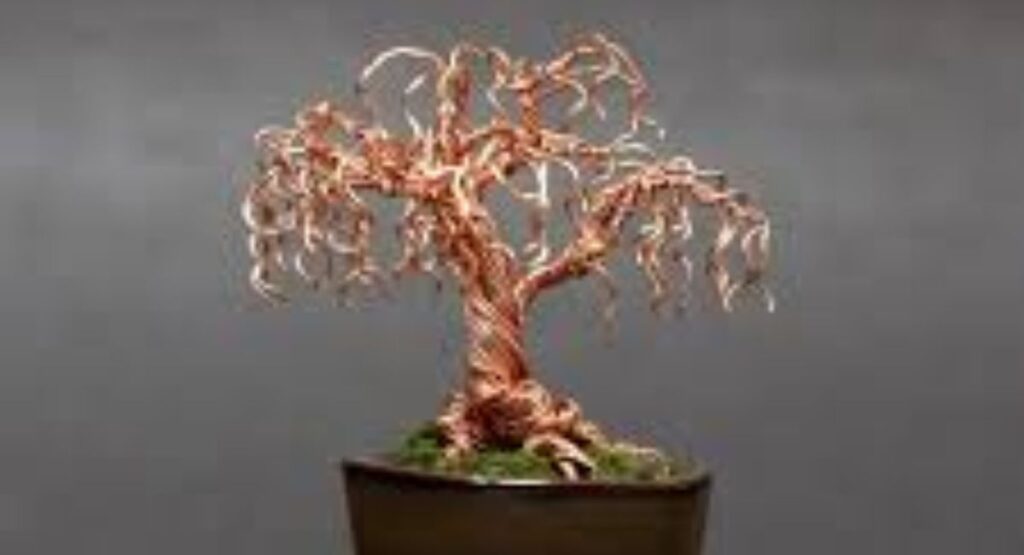
- Moss – Covers soil, retains moisture, and improves appearance
- Miniature Rocks – Create a natural landscape effect
- Figurines – Add artistic storytelling elements
- Lighting – Highlight cascading branches indoors
Accessories can transform your bonsai into a centerpiece with visual depth.
Long-Term Maintenance Tips for Bonsai Willow
- Water consistently without overwatering
- Fertilize during growth season
- Prune regularly to maintain form
- Repot every 1–2 years
- Inspect for pests and diseases
- Maintain proper light and humidity levels
With consistent care, a Bonsai Willow can thrive for decades, becoming a living work of art in your home or garden.
Why Bonsai Willow Is an Investment in Beauty and Tranquility
The Bonsai Willow is more than a decorative plant. It brings natural elegance, a sense of calm, and a rewarding gardening experience. Its flowing branches, delicate leaves, and adaptability make it ideal for both beginners and experienced bonsai enthusiasts.
By understanding its care requirements, styling options, and maintenance needs, you can create a Bonsai Willow display that is both beautiful and healthy. With the right attention, this miniature tree becomes a long-lasting addition to your indoor or outdoor space, enhancing aesthetics and providing years of enjoyment.