
Lighting is no longer just a functional element in interior design it has evolved into a powerful tool that shapes mood, enhances architecture, and defines how a space is experienced. In contemporary homes, lighting design requires precision, planning, and a deep understanding of how light interacts with materials, colors, and layouts.
This comprehensive guide explores the principles, strategies, and techniques behind contemporary lighting design, helping you create spaces that are both visually stunning and highly functional.
Understanding the Role of Lighting in Modern Interiors
Lighting plays a critical role in how a space looks and feels. In contemporary design, the goal is to achieve a seamless balance between aesthetics and practicality. Proper lighting can highlight architectural features, create depth, and influence emotions.
Modern lighting design focuses on layering different types of light to achieve a cohesive and adaptable environment. Instead of relying on a single source, designers combine multiple lighting elements to enhance both form and function.
The Three Core Layers of Lighting
A well-designed lighting plan incorporates three essential layers that work together to illuminate a space effectively.
Ambient Lighting: The Foundation
Ambient lighting provides the overall illumination of a room. It ensures that the space is evenly lit and comfortable for everyday use. Common sources include ceiling-mounted fixtures, recessed lights, and LED panels.
In contemporary design, ambient lighting is often subtle and integrated into the architecture, creating a clean and uncluttered look.
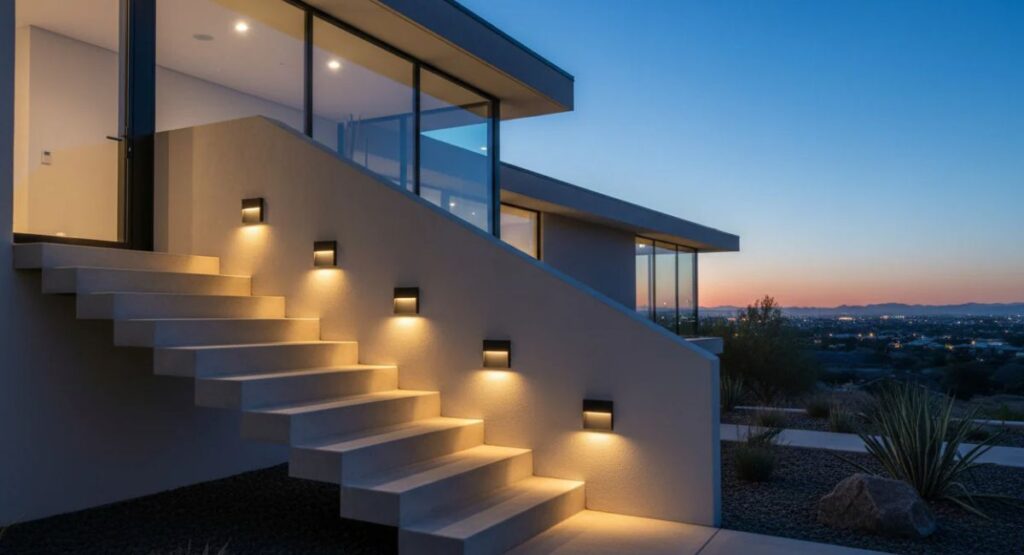
Task Lighting: Focused Functionality
Task lighting is designed to support specific activities such as reading, cooking, or working. It delivers focused light exactly where it is needed.
Examples include desk lamps, under-cabinet kitchen lights, and vanity lighting in bathrooms. Precision in placement is key to avoiding shadows and ensuring efficiency.
Accent Lighting: Creating Visual Interest
Accent lighting is used to highlight specific features like artwork, textures, or architectural details. It adds depth and drama to a space.
Wall sconces, track lighting, and spotlights are commonly used to create focal points and enhance the overall aesthetic.
Choosing the Right Color Temperature
Color temperature significantly impacts the ambiance of a room. It is measured in Kelvin (K) and determines whether light appears warm or cool.
Warm lighting (2700K–3000K) creates a cozy and inviting atmosphere, making it ideal for living rooms and bedrooms. Cool lighting (4000K–5000K) offers a brighter and more energizing feel, suitable for kitchens, offices, and workspaces.
In contemporary lighting design, mixing color temperatures strategically can help define different zones within a space.
The Importance of Light Placement
Precision in lighting placement is what separates average design from exceptional design. Poorly positioned lights can create harsh shadows, glare, or uneven illumination.
Key placement strategies include:
- Positioning lights to minimize shadows in work areas
- Highlighting vertical surfaces to make rooms feel larger
- Using indirect lighting to create a soft and diffused glow
- Aligning fixtures with architectural elements for a cohesive look
Thoughtful placement ensures both functionality and visual harmony.
Incorporating Smart Lighting Technology
Modern lighting design increasingly relies on smart technology to enhance convenience and efficiency. Smart lighting systems allow homeowners to control brightness, color temperature, and scheduling through mobile apps or voice commands.
Features such as dimming, automation, and scene setting enable you to adjust lighting according to different activities and moods. This level of control adds both practicality and luxury to contemporary spaces.
Energy Efficiency and Sustainability
Sustainability is a key consideration in modern lighting design. LED lighting has become the standard due to its energy efficiency, long lifespan, and reduced environmental impact.
Compared to traditional incandescent bulbs, LEDs consume significantly less energy and produce minimal heat. This not only lowers electricity bills but also contributes to a more eco-friendly home.
Choosing energy-efficient lighting solutions is an essential step toward sustainable living.
Selecting the Right Fixtures
Lighting fixtures are not just functional—they are also design statements. In contemporary interiors, fixtures often feature clean lines, geometric shapes, and minimalist aesthetics.
Popular choices include:
- Pendant lights for kitchens and dining areas
- Recessed lighting for a streamlined ceiling appearance
- Linear fixtures for modern and open-plan spaces
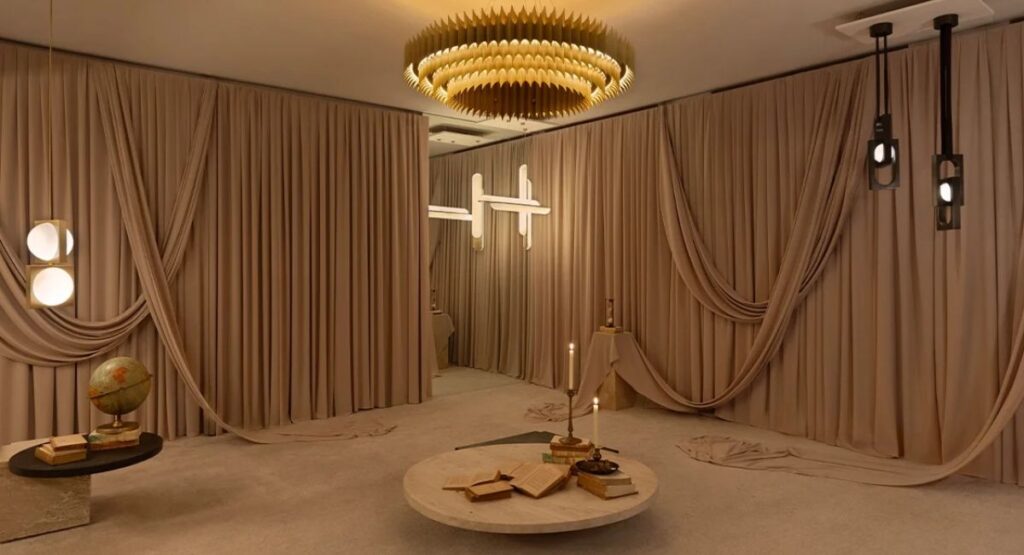
- Sculptural chandeliers as focal points
Selecting fixtures that complement the overall design theme enhances the visual appeal of your home.
Balancing Natural and Artificial Light
A key principle of contemporary lighting design is integrating natural light with artificial lighting. Large windows, skylights, and glass doors allow daylight to fill the space, reducing the need for artificial lighting during the day.
To maintain balance:
- Use sheer curtains to diffuse sunlight
- Position mirrors to reflect natural light
- Combine daylight with adjustable artificial lighting
This approach creates a dynamic and energy-efficient environment.
Avoiding Common Lighting Mistakes
Even well-designed spaces can be compromised by poor lighting choices. Avoiding common mistakes is crucial for achieving a polished result.
Some key pitfalls to watch out for include:
- Relying on a single light source
- Ignoring dimmer controls
- Choosing fixtures that are too large or too small
- Overlooking the importance of color temperature
- Poor placement leading to glare or shadows
Being mindful of these factors ensures a more refined and functional lighting design.
Customizing Lighting for Different Rooms
Each room in your home has unique lighting needs, and a one-size-fits-all approach rarely works.
Living rooms benefit from layered lighting that supports relaxation and social interaction. Kitchens require bright and focused lighting for safety and efficiency. Bedrooms need softer, adjustable lighting to create a calming atmosphere.
Bathrooms, workspaces, and outdoor areas also require specialized lighting strategies to meet their specific functions.
Tailoring your lighting design to each space enhances both usability and comfort.
The Future of Contemporary Lighting Design
Lighting design continues to evolve with advancements in technology and changing design trends. Innovations such as human-centric lighting, which mimics natural daylight patterns, are becoming increasingly popular.
Minimalist designs, hidden lighting systems, and integrated solutions are also shaping the future of modern interiors. These trends emphasize simplicity, efficiency, and a deeper connection between light and well-being.
Final Thoughts
Contemporary lighting design is about more than just illumination it is about precision, balance, and creating an environment that enhances everyday living. By understanding the principles of layered lighting, choosing the right fixtures, and incorporating modern technology, you can transform any space into a functional and visually striking masterpiece.
Whether you are designing a new home or upgrading your current space, investing in thoughtful lighting design will elevate both the aesthetics and comfort of your living environment.