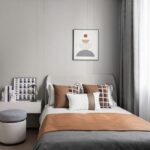
Start with Your Lifestyle and Daily Needs
Creating a comfortable living space is more than just arranging furniture or picking trendy décor it’s about designing an environment that supports your lifestyle, reflects your personality, and promotes well-being. Whether you live in a compact apartment or a spacious home, the goal remains the same: to build a space that feels functional, relaxing, and truly yours. A thoughtfully designed living area can improve productivity, reduce stress, and enhance everyday experiences. This guide will walk you through practical and creative ways to transform your home into a comfortable sanctuary that works perfectly for you.
Understanding What Comfort Means to You
Comfort is highly personal. For some, it means a minimal, clutter-free environment; for others, it might be a warm, cozy space filled with textures and colors. Before making changes, take time to define what comfort looks like in your daily life. Think about how you use your space do you work from home, entertain guests frequently, or prioritize relaxation?
Start by identifying your daily habits. If you enjoy reading, create a dedicated reading nook with proper lighting and a comfortable chair. If you spend long hours working, invest in an ergonomic workspace. When your space aligns with your lifestyle, it naturally becomes more comfortable and functional.
Choosing the Right Furniture for Function and Style
Furniture plays a central role in determining how comfortable your home feels. It should not only look good but also serve a purpose. Avoid overcrowding your space with unnecessary pieces. Instead, focus on selecting furniture that is practical, durable, and proportionate to your room size.
Consider multi-functional furniture if you have limited space. A sofa bed, storage ottoman, or extendable dining table can maximize utility without compromising comfort. Pay attention to materials as well soft fabrics, supportive cushions, and sturdy construction all contribute to long-term comfort.
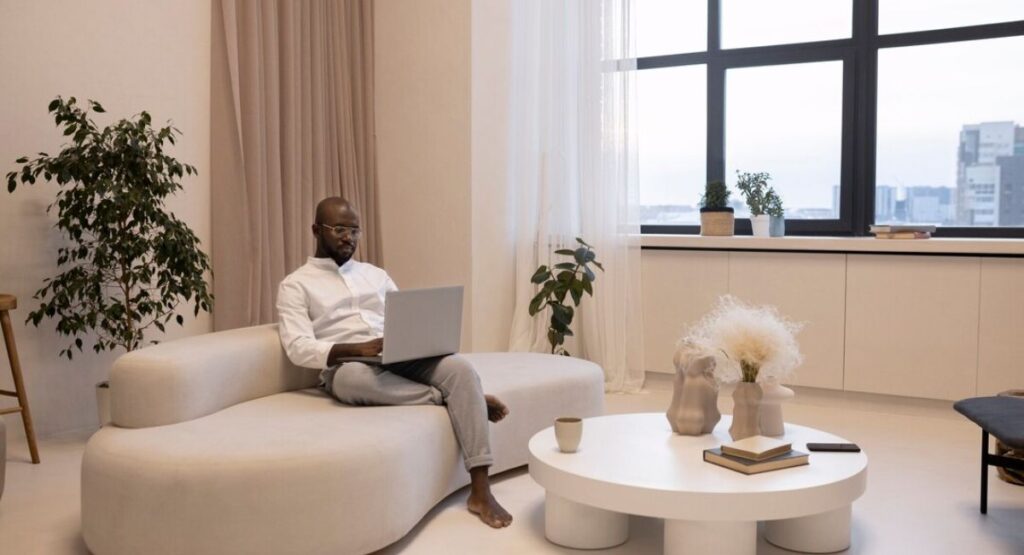
Optimizing Layout for Better Flow
A well-planned layout can dramatically improve how your space feels and functions. Poor arrangement often leads to clutter and discomfort, while a thoughtful layout enhances movement and usability.
Arrange furniture in a way that allows easy navigation. Avoid blocking pathways and ensure that frequently used items are easily accessible. In living rooms, create conversation areas by positioning seating in a circular or semi-circular layout. In bedrooms, keep the area around the bed clear to promote relaxation and ease of movement.
Lighting: The Key to Ambiance and Comfort
Lighting has a powerful impact on mood and comfort. A well-lit room feels inviting and functional, while poor lighting can make even the best-designed space feel dull.
Incorporate a mix of lighting types ambient, task, and accent lighting. Ambient lighting provides overall illumination, task lighting supports activities like reading or working, and accent lighting highlights décor elements. Natural light is equally important; keep windows unobstructed to allow sunlight to brighten your space during the day.
Warm lighting tones generally create a cozy atmosphere, while cooler tones are better suited for workspaces. Adjust lighting based on the function of each room to achieve the perfect balance.
Color Psychology and Its Impact on Comfort
Colors influence emotions and can significantly affect how comfortable a space feels. Soft, neutral tones like beige, cream, and light gray create a calming environment, while bold colors like red or orange can energize a room.
Choose a color palette that aligns with the purpose of each space. Bedrooms benefit from soothing tones like blue or pastel shades, while living areas can handle a mix of neutral and vibrant accents. Avoid overusing too many colors, as it can create visual clutter and reduce the sense of calm.
Decluttering and Smart Storage Solutions
Clutter is one of the biggest obstacles to comfort. A messy space can feel overwhelming and stressful, making it difficult to relax. Decluttering should be a priority when creating a comfortable living environment.
Start by removing items you no longer need or use. Then, invest in smart storage solutions such as shelves, baskets, and cabinets to keep everything organized. Hidden storage options, like under-bed drawers or built-in cabinets, are especially useful for maintaining a clean and tidy look.
A clutter-free environment not only looks better but also makes daily activities more efficient and enjoyable.
Incorporating Textures for a Cozy Feel
Textures add depth and warmth to a living space. Combining different materials can make a room feel more inviting and comfortable.
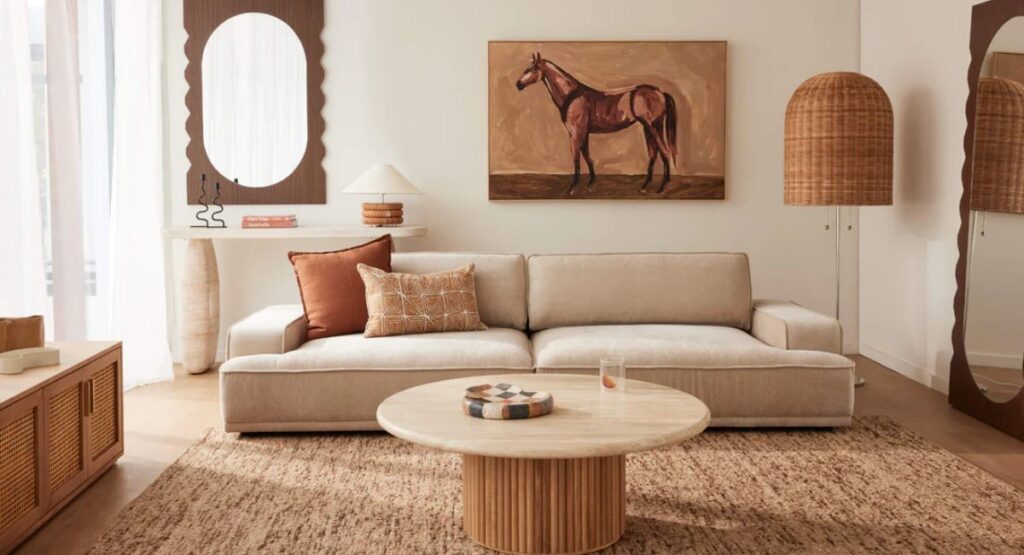
Use soft textiles like rugs, cushions, and throws to create a cozy atmosphere. Mix materials such as wood, metal, and fabric to achieve balance. For example, a wooden coffee table paired with a soft rug and plush sofa creates a harmonious blend of textures.
Layering textures is especially effective in living rooms and bedrooms, where comfort is a priority.
Personalization: Making the Space Truly Yours
A comfortable living space should reflect your personality and interests. Personal touches make your home feel unique and meaningful.
Display items that bring you joy, such as family photos, artwork, or souvenirs. Choose décor that resonates with your style rather than following trends blindly. Personalization doesn’t have to be expensive even small additions can make a big difference.
Your home should tell your story, and incorporating personal elements ensures that it feels authentic and welcoming.
Balancing Aesthetics and Practicality
While aesthetics are important, practicality should never be overlooked. A visually appealing space that lacks functionality can quickly become frustrating.
Choose décor and furniture that serve a purpose. For example, a stylish coffee table with storage compartments combines beauty with utility. Similarly, durable materials ensure that your space remains comfortable and functional over time.
Striking the right balance between aesthetics and practicality is key to creating a living space that truly works for you.
Creating Zones for Different Activities
Modern living often requires spaces to serve multiple purposes. Creating designated zones within a room can help maintain organization and functionality.
For instance, a living room can include a seating area for relaxation, a corner for work, and a small space for hobbies. Use rugs, lighting, or furniture placement to visually separate these zones without the need for physical barriers.
This approach ensures that each activity has its own space, making your home more efficient and comfortable.
Importance of Air Quality and Ventilation
Comfort goes beyond visual appeal it also includes physical well-being. Good air quality and proper ventilation are essential for a healthy living environment.
Ensure that your space is well-ventilated by opening windows regularly. Use indoor plants to improve air quality and add a natural touch to your décor. Clean air contributes to better sleep, improved focus, and overall comfort.
Avoid overcrowding your space, as it can restrict airflow and make the environment feel stuffy.
Temperature Control for Year-Round Comfort
Maintaining a comfortable temperature is crucial for a pleasant living experience. Extreme heat or cold can make even the most beautifully designed space uncomfortable.
Use curtains, blinds, or thermal insulation to regulate indoor temperature. In warmer climates, light fabrics and breathable materials help keep spaces cool. In colder environments, layering textiles like rugs and blankets adds warmth.
Adjusting your space according to seasonal changes ensures consistent comfort throughout the year.
Technology Integration for Convenience
Modern technology can enhance comfort by making daily tasks easier and more efficient. Smart home devices, such as automated lighting or temperature controls, can improve convenience and energy efficiency.
However, it’s important to integrate technology thoughtfully. Avoid overloading your space with gadgets that add clutter or complexity. Focus on solutions that genuinely improve your lifestyle and simplify routines.
Quick Guide to Comfortable Living Essentials
| Element | Key Tip | Benefit |
|---|---|---|
| Furniture | Choose ergonomic and multi-functional pieces | Enhances usability and comfort |
| Lighting | Combine natural and layered lighting | Improves mood and visibility |
| Colors | Use calming tones for relaxation | Creates a peaceful atmosphere |
| Storage | Use smart and hidden storage solutions | Reduces clutter |
| Layout | Maintain open pathways | Improves movement and flow |
| Personal Touches | Add meaningful décor | Makes space feel unique |
Maintaining Your Comfortable Space Over Time
Creating a comfortable living space is not a one-time task it requires ongoing maintenance. Regular cleaning, occasional rearranging, and updating décor keep your space fresh and functional.
Reevaluate your needs periodically. As your lifestyle changes, your space should evolve accordingly. Small updates, such as adding new cushions or rearranging furniture, can make a big difference without requiring a complete redesign.
Consistency in maintenance ensures that your home remains a place of comfort and relaxation.
Final Thoughts
A comfortable living space is a reflection of your needs, preferences, and lifestyle. By focusing on functionality, personalization, and thoughtful design, you can create an environment that supports your daily activities while providing a sense of peace and relaxation.
From choosing the right furniture to optimizing layout and incorporating personal touches, every detail contributes to the overall comfort of your home. When your living space works for you, it becomes more than just a place to live it becomes a sanctuary where you can truly feel at ease.