introduction
Urban living continues to evolve as cities grow denser and housing becomes more compact. In this environment, shared bathroom spaces have become a practical and often necessary feature in many residential developments. Whether in apartments, co-living spaces, or student housing, shared bathrooms must be thoughtfully designed to balance functionality, hygiene, privacy, and aesthetics. A well-designed shared bathroom can significantly improve the daily living experience, while a poorly planned one can lead to discomfort and frustration.
This article explores how to design shared bathroom spaces in urban residential projects with a focus on practicality, modern design trends, and user comfort.
Understanding the Importance of Shared Bathroom Design
Shared bathrooms are no longer just a secondary consideration in residential design. In urban settings where space is limited, these areas must serve multiple users efficiently without compromising comfort or cleanliness. A properly designed shared bathroom helps:
- Maximize limited space
- Reduce maintenance issues
- Improve hygiene standards
- Enhance overall property value
- Create a better user experience for residents
Designing such spaces requires a deep understanding of user behavior, peak usage times, and maintenance needs.
Planning the Layout for Maximum Efficiency
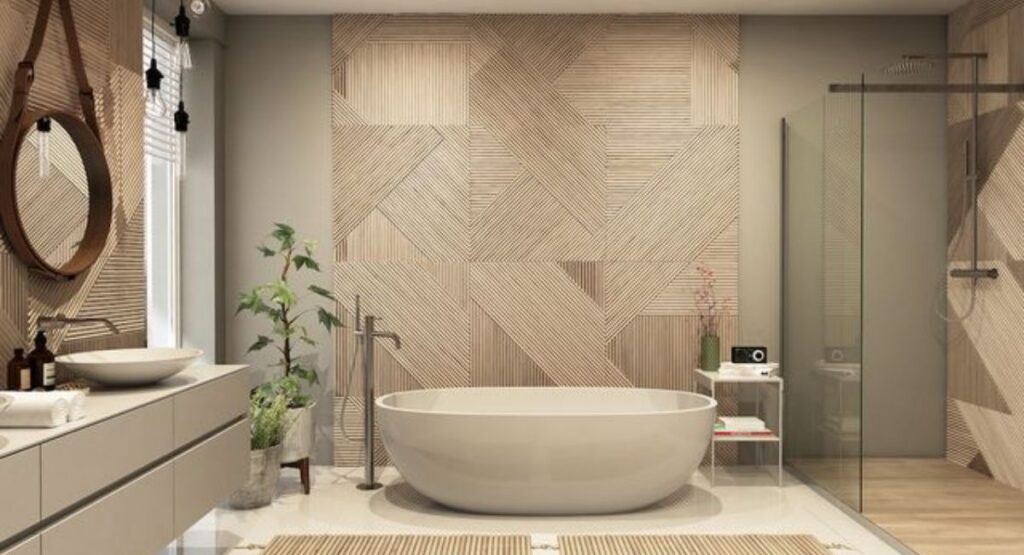
The layout is the foundation of any successful shared bathroom design. A smart layout ensures that multiple users can utilize the space without interfering with each other.
Key layout strategies include:
- Zoning the bathroom: Separate wet areas (showers) from dry areas (sinks and mirrors)
- Parallel usage design: Allow different functions to be used simultaneously
- Clear circulation paths: Avoid congestion by ensuring easy movement
For example, placing sinks outside the main bathroom area allows one person to use the mirror while another is showering or using the toilet.
Prioritizing Privacy Without Compromising Space
Privacy is one of the biggest concerns in shared bathrooms. Even in small urban apartments, it’s essential to create a sense of personal space.
Effective privacy solutions include:
- Floor-to-ceiling partitions for toilets and showers
- Frosted or textured glass panels
- Lockable cubicles with proper ventilation
- Soundproofing materials where possible
These features help residents feel comfortable while sharing facilities with others.
Choosing Durable and Low-Maintenance Materials
Urban shared bathrooms experience heavy usage, so materials must be durable, easy to clean, and resistant to moisture.
Common material choices include:
- Porcelain tiles: Water-resistant and easy to maintain
- Quartz countertops: Durable and stain-resistant
- Stainless steel fixtures: Long-lasting and hygienic
- Anti-slip flooring: Essential for safety
Materials should also be selected based on their ability to withstand frequent cleaning and long-term wear.
Optimizing Storage Solutions
Storage is often overlooked in shared bathrooms, but it plays a crucial role in keeping the space organized and clutter-free.
Consider these storage ideas:
- Individual lockers or cabinets for each user
- Open shelving for shared items
- Wall-mounted units to save floor space
- Hidden storage behind mirrors
Providing designated storage reduces conflicts among users and maintains cleanliness.
Incorporating Smart Ventilation Systems
Proper ventilation is critical in shared bathrooms to prevent moisture buildup, mold growth, and unpleasant odors.
Modern solutions include:
- Exhaust fans with humidity sensors
- Natural ventilation through windows
- Air purification systems
- Dehumidifiers for high-traffic areas
Good airflow not only improves hygiene but also extends the lifespan of materials and fixtures.
Lighting Design for Functionality and Comfort
Lighting plays a major role in usability and ambiance. A shared bathroom should have a combination of functional and aesthetic lighting.
Recommended lighting types:
- Task lighting: Around mirrors for grooming
- Ambient lighting: General illumination
- Accent lighting: Adds a modern touch
LED lighting is particularly popular due to its energy efficiency and long lifespan.
Water Efficiency and Sustainability
Sustainability is becoming a priority in urban residential projects. Shared bathrooms offer an excellent opportunity to implement water-saving solutions.
Eco-friendly features include:
- Low-flow faucets and showerheads
- Dual-flush toilets
- Sensor-based taps
- Greywater recycling systems
These solutions not only reduce environmental impact but also lower utility costs for residents.
Ensuring Hygiene and Cleanliness
Maintaining hygiene in shared bathrooms is essential for user satisfaction and health.
Design elements that promote cleanliness:
- Touchless fixtures (soap dispensers, faucets)
- Easy-to-clean surfaces
- Proper drainage systems
- Antibacterial coatings
Regular maintenance should also be considered during the design phase to ensure long-term cleanliness.
Accessibility and Inclusive Design
Shared bathrooms should be accessible to all users, including elderly individuals and people with disabilities.
Accessibility features include:
- Grab bars near toilets and showers
- Barrier-free shower areas
- Wider doorways
- Adjustable fixtures
Inclusive design ensures that the space can be used comfortably by everyone.
Acoustic Considerations in Shared Spaces
Noise can be a significant issue in shared bathrooms, especially in compact urban housing.
Ways to reduce noise:
- Use sound-absorbing materials
- Install soft-close fixtures
- Insulate walls between units
- Separate plumbing lines where possible
These measures improve overall comfort and reduce disturbances.
Balancing Aesthetics with Functionality
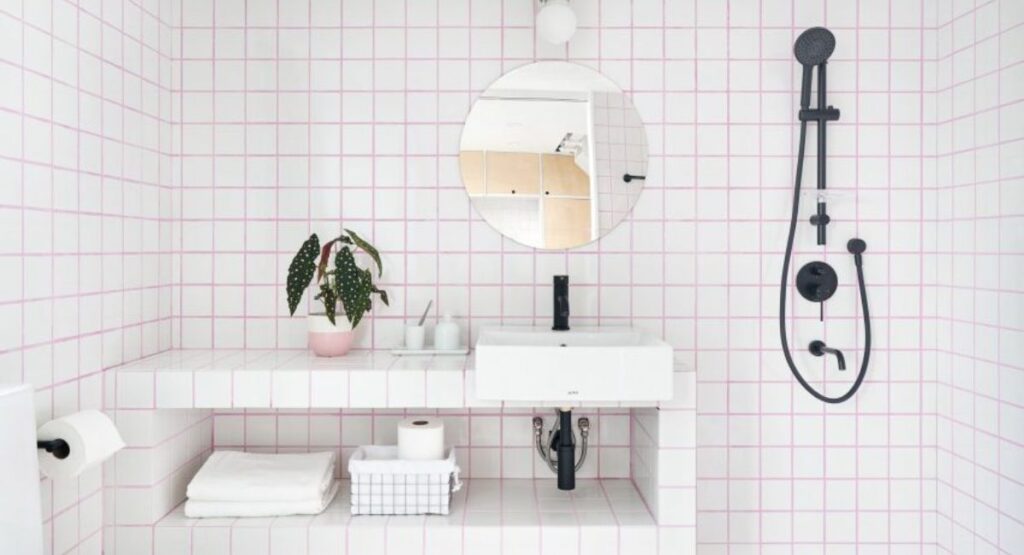
A shared bathroom should not only be practical but also visually appealing. Modern urban residents value design and comfort equally.
Popular design trends include:
- Minimalist layouts
- Neutral color palettes
- Natural textures like wood and stone
- Matte finishes for fixtures
A well-designed bathroom enhances the overall appeal of the property.
Technology Integration in Modern Bathrooms
Smart technology is transforming shared bathroom design in urban projects.
Innovative features include:
- Motion-sensor lighting
- Smart mirrors with built-in displays
- Temperature-controlled showers
- Automated cleaning systems
These technologies improve convenience and efficiency for users.
Common Challenges and Solutions
Designing shared bathrooms comes with unique challenges. Understanding these issues helps in creating better solutions.
| Challenge | Solution |
|---|---|
| Overcrowding | Multi-zone layout and separate sink areas |
| Lack of privacy | Full-height partitions and soundproofing |
| Maintenance issues | Durable materials and easy-clean designs |
| Water wastage | Low-flow fixtures and smart systems |
| Storage conflicts | Individual storage units for users |
Addressing these challenges early in the design process ensures smoother operation later.
Future Trends in Shared Bathroom Design
As urban living continues to evolve, shared bathroom design is also advancing.
Emerging trends include:
- Co-living optimized layouts
- Modular bathroom units
- Increased use of sustainable materials
- AI-powered maintenance systems
- Personalized user experiences
These innovations are shaping the future of residential design.
Conclusion
Designing shared bathroom spaces in urban residential projects requires a careful balance of functionality, privacy, hygiene, and aesthetics. With increasing urban density, these spaces are becoming more important than ever. By focusing on smart layouts, durable materials, efficient storage, and modern technology, designers can create shared bathrooms that meet the needs of multiple users while maintaining comfort and style.
A well-designed shared bathroom is not just a necessity it is an opportunity to enhance the quality of urban living.