Understanding Feng Shui Principles for a Balanced Living Room
A well-designed living room does more than just look beautiful it influences the mood, energy, and comfort of everyone in the home. The concept of feng shui living room layout focuses on arranging furniture, décor, and space in a way that promotes harmony and positive energy flow. Feng Shui, an ancient Chinese practice, is based on the idea that the placement of objects within a space can affect the energy, or “Chi,” that flows through it.
In a living room, this energy flow is especially important because it is one of the most frequently used spaces in a home. It is where families gather, guests are entertained, and relaxation takes place. When the layout supports smooth energy movement, the room feels more welcoming, balanced, and peaceful.
The basic principle behind Feng Shui is that clutter, poor furniture placement, and blocked pathways disrupt energy. When these issues are corrected, the room naturally becomes more comfortable and functional. A balanced living room layout can improve not only the appearance of the space but also the well-being of the people who spend time there.
Choosing the Ideal Location for the Living Room
In Feng Shui design, the location of the living room within the home matters a lot. Ideally, the living room should be near the front of the house rather than deep inside the floor plan. This positioning allows positive energy entering through the front door to flow naturally into the space.
When the living room is easy to access from the entrance, it creates a welcoming environment for guests and family members. The room feels open and inviting rather than hidden or isolated.
Another important factor is natural light. Rooms with large windows or access to daylight are considered beneficial in Feng Shui because natural light represents positive energy. If your living room lacks natural light, adding mirrors or soft lighting can help brighten the space and improve energy balance.
Ventilation also plays a role. Fresh air circulation helps maintain healthy energy in the room. Keeping windows clean and occasionally opening them allows stagnant energy to leave while bringing in fresh, revitalizing energy.
Best Furniture Placement for Positive Energy Flow
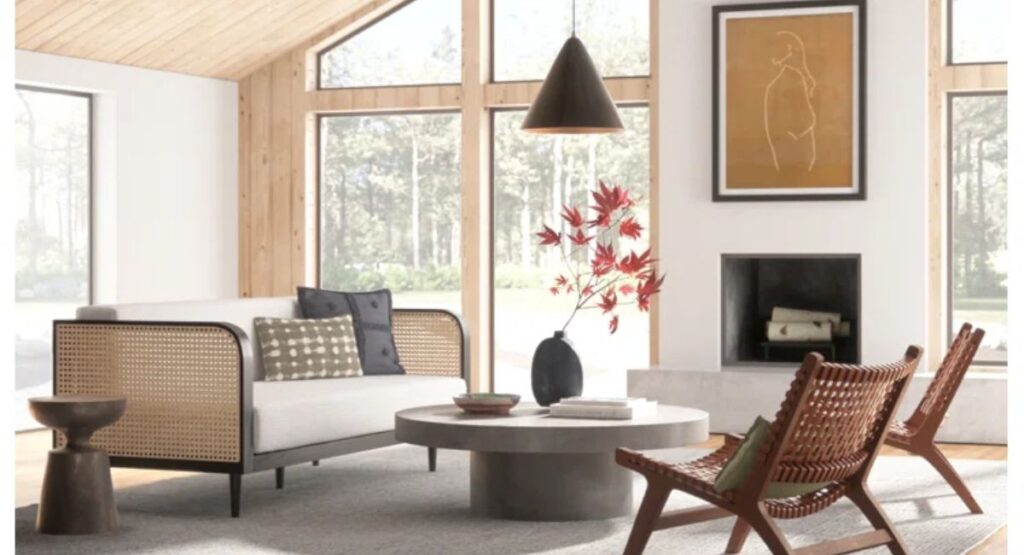
Furniture placement is one of the most important aspects of a Feng Shui living room layout. The way furniture is arranged can either support or block the movement of energy.
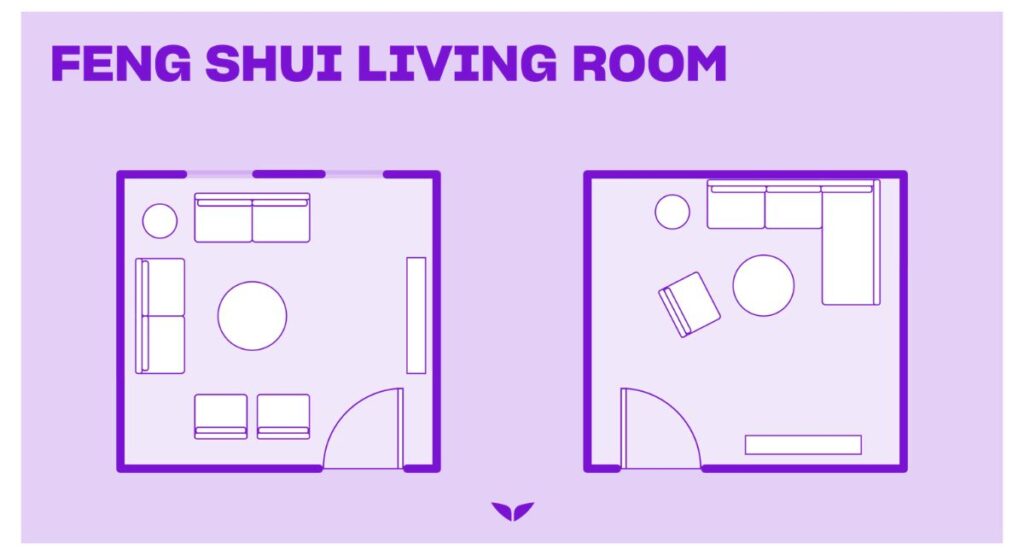
The sofa should ideally be placed against a solid wall rather than floating in the center of the room. This position represents stability and support. It also gives the people sitting there a clear view of the entrance without being directly in line with the door.
Avoid placing the sofa with its back facing the door. In Feng Shui, this position can create a feeling of vulnerability. When possible, choose a layout where the main seating area faces the entrance diagonally.
Coffee tables should be positioned so that they are easy to reach but do not block walking paths. Rounded or oval coffee tables are often recommended because they soften the flow of energy compared to sharp corners.
Side chairs and additional seating should create a conversational arrangement. A circular or semi-circular layout encourages connection and communication among people in the room.
Using the Command Position in Your Layout
The “command position” is a core Feng Shui concept. It means placing important furniture in a spot where you can see the entrance without being directly aligned with it.
For example, when sitting on the main sofa, you should be able to see the door. This placement provides a sense of control and security because you are aware of who enters the room.
If your layout makes it impossible to position the sofa this way, a mirror can help. Placing a mirror on the wall in a way that reflects the doorway allows you to see the entrance indirectly.
The command position is not limited to sofas. It can also apply to reading chairs or other seating areas where someone might spend a long time relaxing.
Balancing the Five Feng Shui Elements
Feng Shui design is built around five natural elements: wood, fire, earth, metal, and water. A harmonious living room includes a balanced combination of these elements.
| Feng Shui Element | Representation in Living Room | Example Items |
|---|---|---|
| Wood | Growth and vitality | Wooden furniture, plants |
| Fire | Energy and passion | Candles, warm lighting |
| Earth | Stability and grounding | Ceramic décor, stone items |
| Metal | Clarity and focus | Metal frames, sculptures |
| Water | Flow and calmness | Fountains, dark colors |
The goal is not to include every element equally but to create a sense of balance. For example, if a room already has a lot of wooden furniture, adding metal or ceramic décor can help balance the energy.
Indoor plants are a particularly effective way to introduce the wood element. They also purify the air and add life to the space.
Importance of Decluttering the Living Room
Clutter is one of the biggest obstacles to positive Feng Shui. Too many objects in a living room can block the natural flow of energy and make the space feel chaotic.
A good Feng Shui living room layout prioritizes open pathways. There should be enough space to move comfortably around furniture without obstacles.
Storage solutions such as cabinets, baskets, and shelves can help keep the room organized. Items that are not frequently used should be stored away rather than displayed everywhere.
Regularly reviewing the items in your living room can help maintain a clean and balanced space. Removing unnecessary objects creates room for new opportunities and fresh energy.
Selecting the Right Colors for Harmony
Color plays a significant role in Feng Shui design because each color represents different energy qualities.
Neutral tones like beige, cream, and soft gray are often recommended as base colors because they create a calm and balanced atmosphere. These colors also make it easier to add accent colors without overwhelming the space.
Green is associated with growth and renewal, making it ideal for living rooms that need a refreshing feel. Blue represents calmness and tranquility, while warm colors like red or orange can add energy when used in moderation.
It is usually best to avoid overly dark or extremely bright color schemes throughout the entire room. Instead, balance bold colors with softer shades.
Accent pillows, rugs, and artwork are easy ways to introduce color without committing to a permanent change.
Lighting and Mirrors in Feng Shui Design
Lighting has a powerful influence on the energy of a living room. A well-lit room feels lively and welcoming, while poor lighting can make the space feel dull or heavy.
Using multiple light sources—such as ceiling lights, floor lamps, and table lamps—creates layers of illumination. This layered lighting improves both functionality and energy flow.
Mirrors are another important Feng Shui tool. They can expand the visual space of a room and reflect positive energy. However, mirrors should not face cluttered areas or reflect the front door directly, as this may push energy out of the house.
When placed thoughtfully, mirrors can make a living room feel brighter, larger, and more balanced.
Common Feng Shui Living Room Mistakes to Avoid
Even beautifully decorated living rooms can have layout mistakes that disrupt Feng Shui balance. Being aware of these common issues can help improve the overall design.
One common mistake is blocking windows with large furniture. This prevents natural light and fresh air from entering the room.
Another issue is overcrowding the space with too many decorative items. While accessories add personality, too many of them create visual and energetic clutter.
Sharp furniture edges pointed toward seating areas are also discouraged in Feng Shui. If replacing furniture is not possible, adding soft textiles or plants can help soften these edges.
Finally, keeping broken or damaged items in the living room is considered negative in Feng Shui philosophy. Repairing or replacing such items helps maintain a positive environment.
Creating a Peaceful and Welcoming Living Space
Designing a Feng Shui living room layout is about much more than arranging furniture. It is about creating an environment where energy flows freely, people feel comfortable, and the room supports relaxation and connection.
By choosing thoughtful furniture placement, maintaining clear pathways, balancing natural elements, and keeping the space organized, you can transform your living room into a harmonious retreat.
A well-balanced living room not only looks appealing but also enhances the overall atmosphere of the home. When energy flows smoothly, the space naturally becomes a place where family and guests enjoy spending time together.