Introduction: Why Weatherproofing Your Home Matters
Weatherproofing your home is one of the smartest ways to protect your property, improve energy efficiency, and maintain a comfortable indoor environment throughout the year. Extreme temperatures, heavy rain, humidity, and strong winds can slowly damage your home if it is not properly protected. Many homeowners focus only on exterior upgrades, but true weather protection works both outside and inside the home.
When a house is well weatherproofed, it prevents moisture intrusion, reduces energy loss, and protects structural components from long-term damage. It also lowers utility bills because heating and cooling systems do not have to work as hard to maintain indoor temperatures.
This guide explains practical strategies to weatherproof your home from the inside out. From sealing air leaks to protecting foundations and roofs, these steps can help extend the life of your home while keeping it comfortable in every season.
Understanding How Weather Affects Your Home
Weather can impact nearly every part of a house. Rainwater may seep through cracks in walls or foundations, humidity can damage interior materials, and temperature fluctuations can cause expansion and contraction in building components.
Over time, these environmental factors lead to problems such as mold growth, insulation failure, peeling paint, and weakened structures. Wind can also push rainwater into small openings around windows and doors.
Weatherproofing helps reduce these risks by strengthening the home’s barriers against moisture, air leaks, and temperature changes. A comprehensive approach addresses both external exposure and internal protection.
Inspecting Your Home Before Weatherproofing
Before starting any weatherproofing upgrades, it is important to perform a complete inspection of your home. This step helps identify problem areas that may allow water, air, or cold temperatures to enter.
Look carefully at the roof, siding, windows, and doors. Check for visible cracks, damaged seals, or worn materials. Inside the home, inspect walls, ceilings, and floors for water stains, damp spots, or drafts.
Attics and basements are especially important areas to examine because they often reveal early signs of weather-related damage. Catching small problems early can prevent costly repairs in the future.
Sealing Windows and Doors to Prevent Air Leaks
Windows and doors are among the most common places where air leaks occur. Even small gaps around frames can allow cold air, moisture, and dust to enter your home.
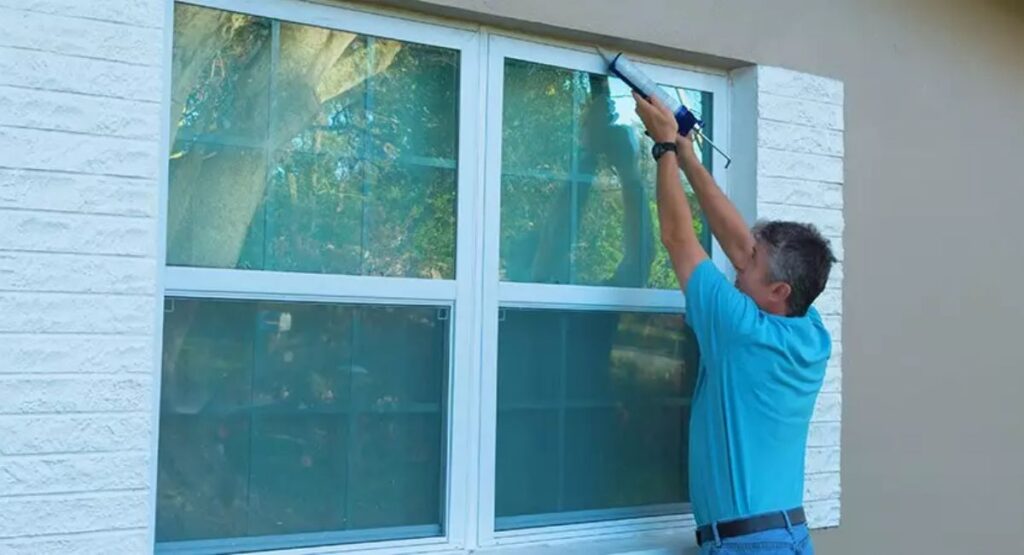
Applying weatherstripping around door frames is an effective way to block drafts. Silicone or acrylic caulking can also be used to seal cracks around window frames and trim. These simple improvements significantly reduce energy loss.
Another option is installing insulated window treatments such as thermal curtains or double-pane windows. These features help maintain stable indoor temperatures and add an extra layer of protection against outside weather conditions.
Improving Roof Protection
The roof is the first line of defense against harsh weather. If it is damaged or poorly maintained, water can easily penetrate the structure and cause serious interior damage.
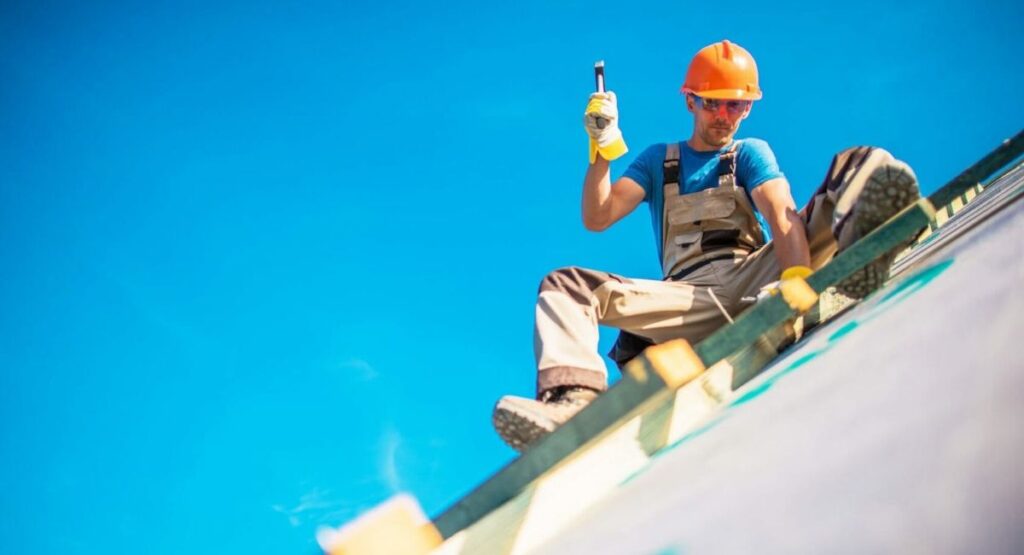
Regular roof inspections help identify loose shingles, cracked flashing, or blocked gutters. Repairing these issues quickly prevents water from entering the attic and ceiling areas.
Proper roof ventilation is also essential. It allows heat and moisture to escape from the attic, reducing the risk of mold growth and structural damage during seasonal weather changes.
Strengthening Wall Insulation
Insulation plays a critical role in weatherproofing because it controls heat transfer between the interior and exterior of the home. Without proper insulation, warm air escapes in winter and hot air enters during summer.
Upgrading wall insulation improves comfort and lowers heating and cooling costs. Materials such as fiberglass, spray foam, and cellulose insulation create a barrier that helps regulate indoor temperature.
Good insulation also prevents condensation from forming inside walls, which can lead to moisture damage and mold growth.
Protecting the Foundation From Moisture
The foundation supports the entire home, so protecting it from water damage is extremely important. Poor drainage or cracks in the foundation can allow moisture to seep into basements and crawl spaces.
Homeowners should ensure that rainwater drains away from the house. Downspouts should direct water several feet away from the foundation. Landscaping can also be adjusted to slope slightly away from the home.
Sealing visible cracks with waterproof sealants and installing a sump pump in basements are additional ways to prevent water intrusion and protect structural stability.
Managing Indoor Humidity Levels
Weatherproofing is not only about keeping outdoor weather out; it is also about controlling indoor conditions. High humidity inside the home can cause condensation, mold growth, and damage to walls or flooring.
Using dehumidifiers in damp areas like basements helps maintain balanced moisture levels. Proper ventilation in kitchens, bathrooms, and laundry rooms also reduces humidity buildup.
Installing exhaust fans and ensuring airflow throughout the house keeps indoor air healthy while preventing moisture-related damage.
Upgrading Exterior Surfaces for Extra Protection
Exterior materials such as siding, paint, and sealants act as a protective shell around the home. Over time, these surfaces may wear down due to sun exposure, rain, and temperature changes.
Applying weather-resistant paint or sealant can extend the lifespan of exterior walls. Modern siding materials such as vinyl or fiber cement provide additional durability against moisture and wind.
Maintaining these surfaces ensures the house remains protected against environmental damage while also improving its appearance.
Maintaining Gutters and Drainage Systems
Gutters and drainage systems play a key role in weatherproofing because they direct rainwater away from the home. When gutters become clogged with leaves or debris, water can overflow and damage walls or foundations.
Cleaning gutters regularly ensures smooth water flow. Installing gutter guards can reduce debris buildup and simplify maintenance.
Properly functioning drainage systems prevent water accumulation around the home and reduce the risk of flooding or structural damage.
Weatherproofing Interior Spaces
Interior weatherproofing focuses on maintaining comfort and protecting indoor materials from environmental stress. Simple improvements such as sealing floor gaps, insulating attic spaces, and installing moisture barriers can make a significant difference.
Area rugs, insulated curtains, and draft blockers also help maintain indoor warmth during colder months. These small additions complement structural weatherproofing efforts and improve overall energy efficiency.
Weatherproofing Solutions Comparison
| Weatherproofing Method | Main Benefit | Best Area of Application |
|---|---|---|
| Window Caulking | Prevents air leaks and drafts | Windows and door frames |
| Roof Maintenance | Protects against rain and snow damage | Roof and attic |
| Wall Insulation | Improves temperature control | Interior and exterior walls |
| Foundation Sealing | Stops moisture intrusion | Basements and crawl spaces |
| Gutter Maintenance | Directs water away from the home | Roof edges and drainage systems |
Long-Term Benefits of Weatherproofing
Weatherproofing provides long-term advantages that go beyond immediate comfort. Homes that are properly protected require fewer repairs, maintain higher property value, and remain structurally sound for many years.
Energy savings are another major benefit. When insulation, seals, and ventilation systems work together effectively, heating and cooling costs decrease significantly.
Additionally, weatherproofing improves indoor air quality by preventing moisture buildup and mold growth. This creates a healthier living environment for everyone in the household.
Conclusion
Weatherproofing your home from the inside out is a practical investment that protects both the structure and the people living inside it. By sealing air leaks, improving insulation, maintaining roofs and gutters, and managing indoor humidity, homeowners can build a strong defense against harsh weather conditions.
Regular inspections and preventive maintenance are key to ensuring these systems continue working effectively. Even small upgrades can make a noticeable difference in comfort, energy efficiency, and long-term durability.
With the right weatherproofing strategies in place, your home becomes safer, more efficient, and better prepared to withstand changing weather throughout the year.