
Introduction: Why Planning Is the Foundation of Successful Home Construction
Building a home is one of the most significant investments a person can make. While many homeowners focus heavily on design, materials, and aesthetics, the real foundation of a successful home construction project lies in careful planning. Planning decisions made before and during construction influence the long-term durability, efficiency, and value of a home.
Proper planning allows homeowners and builders to anticipate potential challenges, allocate resources effectively, and ensure the construction process runs smoothly. Without a well-structured plan, even the most visually appealing designs may face structural issues, budget overruns, or functional limitations in the future.
From selecting the right location and designing a practical floor plan to managing budgets and choosing quality materials, every planning decision has a direct impact on the final outcome. Understanding how planning shapes home construction success can help homeowners avoid costly mistakes and build houses that remain comfortable, efficient, and durable for many years.
Understanding the Role of Planning in Home Construction
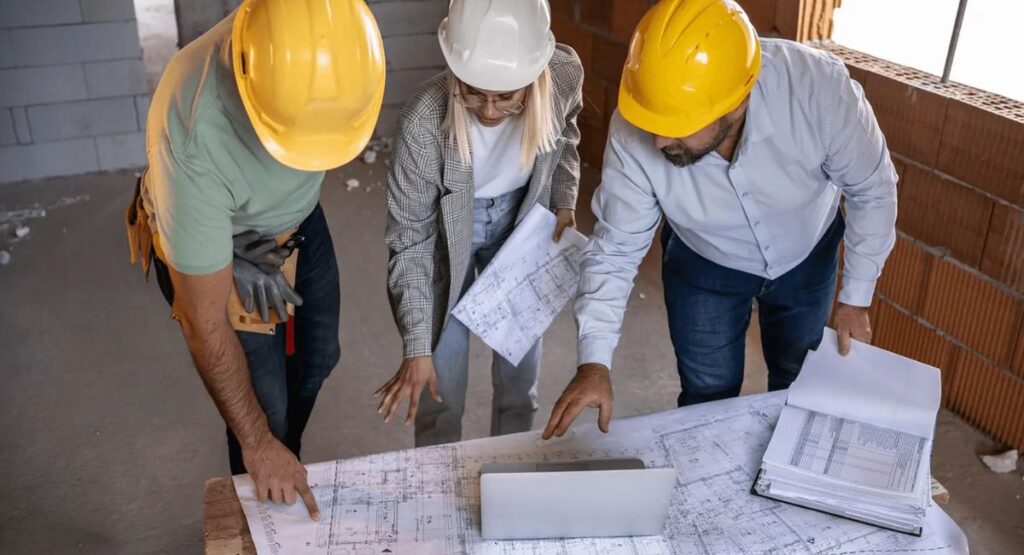
Planning is the process of organizing every aspect of a construction project before physical work begins. It involves setting goals, determining budgets, selecting materials, coordinating contractors, and establishing a clear timeline for completion.
In home construction, planning helps ensure that every component of the house works together efficiently. Architects and engineers carefully analyze structural requirements, environmental conditions, and local regulations before developing detailed construction plans.
When planning is thorough and well organized, builders can avoid unexpected delays, minimize waste, and ensure that all construction phases follow a logical sequence. This organized approach increases efficiency while improving the overall quality of the finished home.
Choosing the Right Location for Long-Term Success
One of the most important planning decisions in home construction is selecting the right location. The location of a house affects its long-term value, accessibility, safety, and environmental conditions.
Factors such as soil quality, drainage, climate, and surrounding infrastructure must be carefully evaluated before construction begins. For example, building on unstable soil or in areas prone to flooding can create serious structural problems later.
Access to utilities, transportation, schools, and community services also influences the convenience and livability of a home. A well-chosen location not only improves daily living but also increases the property’s resale value in the future.
Designing a Functional and Efficient Floor Plan
A thoughtfully designed floor plan is another key planning element that determines the comfort and usability of a home. The arrangement of rooms, hallways, and open spaces should support the daily lifestyle of the household.
Modern home designs often emphasize open living areas, natural lighting, and flexible spaces that can adapt to changing needs. Proper room placement also improves ventilation and energy efficiency.
For example, positioning living spaces where they receive natural sunlight during the day can reduce lighting and heating costs. Similarly, planning adequate storage areas helps maintain organization and reduce clutter in the home.
A functional floor plan ensures that the house remains practical and comfortable for years to come.
Budget Planning and Cost Management
Financial planning is essential for successful home construction. Without a clear budget, construction projects can quickly exceed financial limits due to unexpected expenses or design changes.
A detailed budget should include costs for land purchase, construction materials, labor, permits, inspections, and finishing work. It is also wise to set aside contingency funds for unforeseen issues that may arise during the building process.
Effective cost planning allows homeowners to prioritize essential features while avoiding unnecessary spending. Working with experienced contractors and project managers also helps maintain financial control throughout the project.
Careful budgeting ensures that the construction process remains financially sustainable from beginning to end.
Selecting Quality Building Materials
The materials used during construction play a major role in determining the durability and performance of a home. Planning the selection of materials in advance allows builders to choose options that balance quality, cost, and long-term maintenance.
High-quality materials such as durable roofing systems, strong structural components, and efficient insulation improve the lifespan of a house. Although these materials may require a higher initial investment, they often reduce maintenance costs over time.
In addition, selecting weather-resistant materials can protect the home from environmental damage caused by moisture, temperature changes, and strong winds.
Thoughtful material selection ensures that the home remains structurally sound and visually appealing for decades.
Energy Efficiency and Sustainable Design
Modern home construction increasingly focuses on energy efficiency and sustainability. Planning for energy-efficient features during the design phase helps reduce long-term utility costs and environmental impact.
Examples of energy-efficient solutions include high-performance insulation, energy-efficient windows, solar panels, and smart climate control systems. Proper orientation of the house can also maximize natural lighting and ventilation.
Sustainable building practices not only benefit the environment but also enhance indoor comfort and reduce operating costs. Many homeowners now prioritize green building techniques as part of their long-term planning strategy.
Understanding Local Regulations and Building Codes
Construction projects must comply with local building codes, zoning regulations, and safety standards. Planning ahead ensures that all legal requirements are met before construction begins.
Building codes regulate structural safety, electrical systems, plumbing, fire protection, and accessibility standards. Failure to follow these regulations can lead to project delays, fines, or mandatory reconstruction.
Working with licensed architects and contractors helps ensure that construction plans comply with all necessary regulations. Proper documentation and permits are essential components of responsible home construction planning.
Project Management and Construction Scheduling
A successful home construction project requires careful coordination of multiple tasks and professionals. Project management ensures that each phase of construction is completed in the correct order and within the planned timeline.
Construction scheduling involves organizing activities such as foundation work, framing, electrical installation, plumbing, roofing, and finishing. Each stage must be completed before the next begins.
Delays in one phase can disrupt the entire schedule, so effective planning helps minimize disruptions. Experienced project managers monitor progress, coordinate teams, and address challenges as they arise.
Efficient scheduling helps keep construction projects on time while maintaining high quality standards.
Key Planning Factors in Home Construction
| Planning Factor | Purpose | Long-Term Benefit |
|---|---|---|
| Location selection | Determines environmental and accessibility factors | Increases property value |
| Floor plan design | Organizes living spaces efficiently | Improves comfort and functionality |
| Budget planning | Controls project costs | Prevents financial stress |
| Material selection | Ensures structural durability | Reduces maintenance costs |
| Project management | Coordinates construction activities | Ensures timely completion |
Preventing Future Maintenance Problems Through Planning
One of the greatest advantages of careful planning is the ability to prevent future maintenance problems. Decisions made during the design and construction stages can significantly affect how much maintenance a home will require later.
For example, proper drainage planning can prevent water from accumulating around the foundation. Adequate ventilation in attics and bathrooms reduces moisture buildup that may lead to mold growth.
Installing durable roofing materials and weather-resistant exterior finishes also protects the structure from environmental damage. These preventive measures help homeowners avoid costly repairs after construction is completed.
By considering long-term maintenance during the planning phase, homeowners can create houses that remain strong and efficient for many years.
The Impact of Planning on Property Value
Homes built with careful planning tend to maintain higher market value over time. Buyers are more likely to invest in properties that offer functional layouts, energy efficiency, and durable construction.
Well-planned homes often include practical features such as adequate storage, efficient insulation, and modern design elements that appeal to potential buyers.
In contrast, poorly planned houses may suffer from layout problems, high energy costs, or structural issues that reduce their attractiveness in the real estate market.
Thoughtful planning therefore contributes not only to personal comfort but also to long-term financial value.
Conclusion
Planning decisions play a crucial role in shaping the long-term success of home construction projects. From selecting the right location and designing a functional floor plan to managing budgets and choosing durable materials, every decision influences the performance and value of a home.
Thorough planning allows homeowners and builders to anticipate challenges, reduce risks, and ensure that construction progresses smoothly. It also helps create homes that remain comfortable, energy-efficient, and structurally sound for many years.
By prioritizing thoughtful planning at every stage of construction, homeowners can build houses that meet their current needs while also providing long-term stability and value. Careful preparation is the key to turning a construction project into a successful and lasting home.