introduction
A roof is one of the most essential yet often overlooked parts of a home. It quietly protects everything beneath it your family, your belongings, and the structural integrity of your property. However, like any other component of a house, a roof does not last forever. Over time, exposure to harsh weather, aging materials, and general wear and tear reduce its effectiveness. While small repairs may temporarily fix issues, there comes a stage where replacing the roof becomes the most practical and cost-effective decision.
Choosing to replace your roof is not just about fixing visible damage it’s about investing in safety, efficiency, and long-term value. A new roof can transform your home in ways you might not expect, from improving energy efficiency to boosting resale value. This detailed guide explores the many reasons why you should seriously consider a roof replacement and how it can benefit you in the long run.
Recognizing the Warning Signs of Roof Failure
Before deciding on a replacement, it’s important to understand when your roof has reached the end of its life. Many homeowners delay this decision simply because they are unsure of the signs.
Common indicators include cracked, curled, or missing shingles, water stains on ceilings, mold growth, and sagging areas. You might also notice granules from shingles accumulating in gutters, which is a sign of material deterioration. If your roof is over 20 years old, even if it appears fine from the outside, it may already be compromised internally.
Ignoring these warning signs can lead to severe consequences, including structural damage and costly repairs. Replacing your roof at the right time ensures your home remains protected and prevents minor issues from escalating into major problems.
Improving Energy Efficiency and Reducing Bills
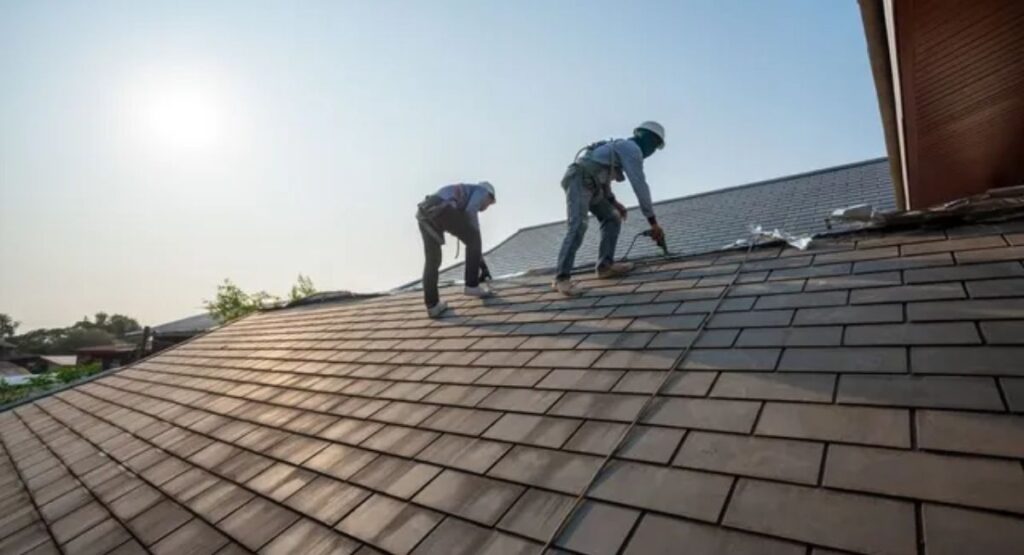
One of the most overlooked benefits of a roof replacement is improved energy efficiency. An old or damaged roof often allows heat to escape during winter and lets excessive heat enter during summer. This forces your heating and cooling systems to work harder, leading to higher energy bills.
Modern roofing materials are designed with energy efficiency in mind. They provide better insulation and reflect more sunlight, helping maintain a stable indoor temperature. As a result, your home stays cooler in the summer and warmer in the winter without over-relying on HVAC systems.
Over time, the savings on energy bills can offset a significant portion of the roof replacement cost, making it a financially smart decision.
Enhancing the Overall Appearance of Your Home
Your roof plays a major role in your home’s exterior appearance. A worn-out or damaged roof can make even a well-maintained house look unattractive and neglected.
Replacing your roof gives your home a fresh, updated look. With a wide variety of colors, styles, and materials available, you can choose a design that complements your home’s architecture. This upgrade significantly boosts curb appeal and leaves a positive impression on visitors and potential buyers.
A visually appealing home is not only more enjoyable to live in but also stands out in the real estate market.
Increasing Property Value and Market Appeal
If you are planning to sell your home in the future, a new roof can be a major selling point. Buyers are often hesitant to invest in properties that require immediate repairs, especially something as significant as a roof replacement.
A new roof reassures potential buyers that the home is well-maintained and unlikely to require major expenses in the near future. This can lead to quicker sales and even higher offers.
In many cases, homeowners can recover a substantial portion of their roof replacement investment through increased property value, making it a worthwhile upgrade.
Preventing Water Damage and Structural Issues
Water damage is one of the most serious risks associated with a failing roof. Even a small leak can allow moisture to seep into your home, damaging ceilings, walls, insulation, and electrical systems.
Over time, this can lead to mold growth, wood rot, and weakened structural components. These issues not only compromise your home’s safety but also result in expensive repairs.
A roof replacement eliminates these risks by providing a strong and reliable barrier against rain, snow, and moisture. Modern roofing systems are designed to offer superior waterproofing, ensuring long-term protection.
Reducing Ongoing Maintenance and Repair Costs
Constantly repairing an old roof can become both frustrating and expensive. While fixing minor issues may seem cheaper initially, repeated repairs add up over time.
At some point, the cost of ongoing maintenance exceeds the cost of a full replacement. Investing in a new roof eliminates the need for frequent repairs and provides peace of mind.
A high-quality roof requires minimal maintenance and offers long-lasting performance, saving you both time and money in the long run.
Improving Safety and Indoor Health
A damaged roof can pose serious risks to your family’s safety. Structural weaknesses increase the chances of collapse, especially during extreme weather conditions.
Additionally, moisture buildup from leaks creates an ideal environment for mold and mildew. These can negatively affect indoor air quality and lead to health issues such as allergies and respiratory problems.
Replacing your roof ensures a safe and healthy living environment. It strengthens the structural integrity of your home and prevents conditions that promote harmful contaminants.
Taking Advantage of Modern Roofing Technology
Roofing technology has advanced significantly over the years. Today’s materials are more durable, efficient, and environmentally friendly than ever before.
Options such as metal roofing, asphalt shingles with enhanced durability, and eco-friendly materials provide better performance and longer lifespans. Some roofing systems even include reflective coatings that reduce heat absorption.
By replacing your roof, you can take advantage of these innovations and choose a solution that meets your specific needs and preferences.
Better Protection Against Harsh Weather Conditions
Roofs are constantly exposed to the elements, including rain, wind, heat, and sometimes snow. Over time, these conditions weaken roofing materials and reduce their effectiveness.
A new roof is built to withstand harsh weather conditions more effectively. It offers improved resistance to wind damage, water infiltration, and UV exposure.
This is particularly important in regions that experience extreme weather, where a strong and durable roof is essential for protecting your home.
Supporting Environmental Sustainability
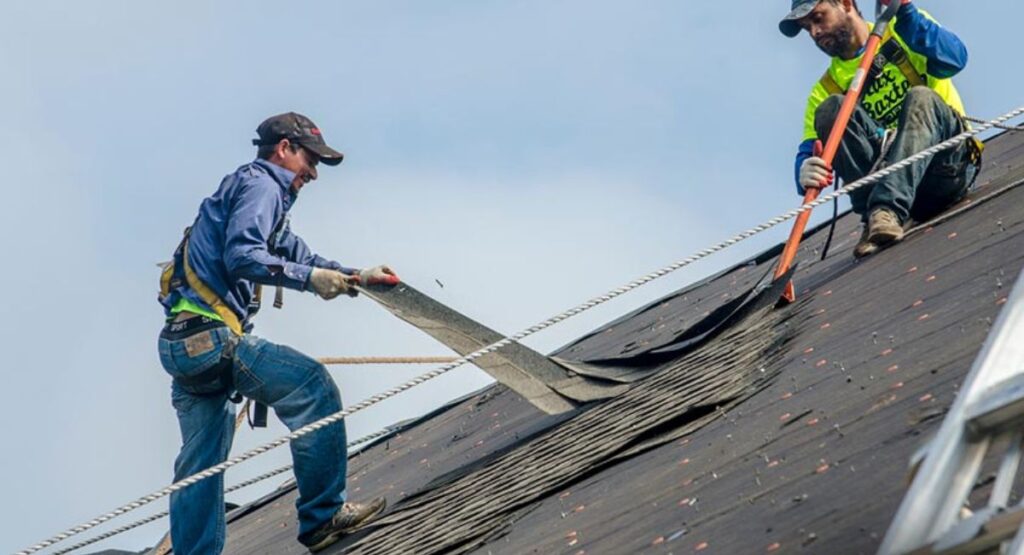
Sustainability is becoming an important consideration for many homeowners. Old roofs often contribute to environmental waste, especially when materials are not recyclable.
Modern roofing options include eco-friendly materials that are designed to reduce environmental impact. Energy-efficient roofs also lower your home’s carbon footprint by reducing energy consumption.
Some materials can even be recycled at the end of their lifespan, making roof replacement a more environmentally responsible choice.
Quick Summary of Roof Replacement Benefits
| Benefit | Description | Long-Term Impact |
|---|---|---|
| Energy Efficiency | Better insulation and temperature control | Lower utility bills |
| Property Value | Increases resale potential | Higher return on investment |
| Leak Prevention | Stops water damage and mold growth | Protects home structure |
| Reduced Maintenance | Eliminates frequent repairs | Saves time and money |
| Modern Materials | Enhanced durability and performance | Longer lifespan |
| Safety Improvements | Strengthens structural integrity | Peace of mind |
When Should You Replace Your Roof?
Timing plays a crucial role in roof replacement. Waiting too long can lead to severe damage, while replacing too early may not be necessary.
Key factors to consider include the age of your roof, visible damage, and the frequency of repairs. If you notice recurring issues or significant wear, it’s likely time for a replacement.
Consulting a professional can help you assess the condition of your roof and determine the best course of action.
Making the Right Investment Decision
A roof replacement may seem like a large expense, but it is actually a long-term investment in your home. The benefits go beyond immediate repairs, offering improved efficiency, safety, and value.
When choosing materials and contractors, focus on quality rather than the lowest price. A well-installed roof can last decades and provide consistent performance.
Careful planning and informed decision-making ensure that you get the most out of your investment.
Final Thoughts
Replacing your roof is not just about fixing a problem it’s about upgrading your home for better performance, comfort, and security. From preventing water damage to improving energy efficiency and increasing property value, the advantages are both immediate and long-lasting.
By recognizing the signs of a failing roof and taking proactive steps, you can avoid costly repairs and ensure your home remains a safe and comfortable place to live. A new roof is more than just a structural improvement it’s a commitment to the future of your home and the well-being of everyone inside it.