The Complete Guide to Transforming Your Space
Renovating a mobile home is an exciting opportunity to create a personalized, comfortable, and stylish living space. Whether you’ve purchased a pre-owned mobile home or are looking to update your current one, a renovation can increase both the value and functionality of the property. From interior upgrades to structural improvements, renovating a mobile home requires careful planning, budgeting, and attention to detail. In this guide, we will explore everything you need to know about renovating a mobile home, including key considerations, renovation tips, essential tools, and maintenance advice to make your project successful.
Why Renovate a Mobile Home?
Renovating a mobile home offers several benefits. First, it allows homeowners to create a living space that reflects their personal style. Many older mobile homes may have outdated designs, finishes, or layouts that don’t match modern tastes. A renovation can update flooring, walls, kitchens, bathrooms, and other areas to create a more contemporary and functional environment.
Second, renovation improves comfort and livability. Upgrades like new insulation, windows, and HVAC systems enhance energy efficiency and reduce utility costs. Improved lighting, ventilation, and storage solutions also make the home more practical for daily living.
Third, a renovated mobile home can significantly increase its resale value. Thoughtful upgrades and modern design elements make the property more appealing to potential buyers, ensuring a better return on investment. Renovation is not just about aesthetics; it is about creating a safe, comfortable, and efficient home.
Planning Your Mobile Home Renovation
Before starting a renovation, proper planning is essential. Begin by evaluating the condition of your mobile home, identifying areas that need repair or improvement. Create a detailed renovation plan that includes both structural and cosmetic upgrades. Consider your budget, timeline, and the scope of the project to avoid overspending or delays.
Determine which areas require professional help, such as plumbing, electrical work, or structural modifications. For projects you can manage yourself, list all necessary materials, tools, and resources. Take measurements of rooms, cabinets, and fixtures to ensure everything fits properly. Planning carefully ensures a smoother renovation process and prevents costly mistakes.
Essential Renovation Areas in a Mobile Home
Mobile home renovations typically focus on both functionality and aesthetics. Here are the key areas to prioritize:
Living Room and Common Areas: Updating the living room can dramatically improve the overall feel of the home. Consider replacing outdated flooring with laminate, vinyl, or carpet. Paint walls with modern, light colors to create an open and bright atmosphere. Upgrading lighting fixtures and adding energy-efficient windows can enhance comfort and style.
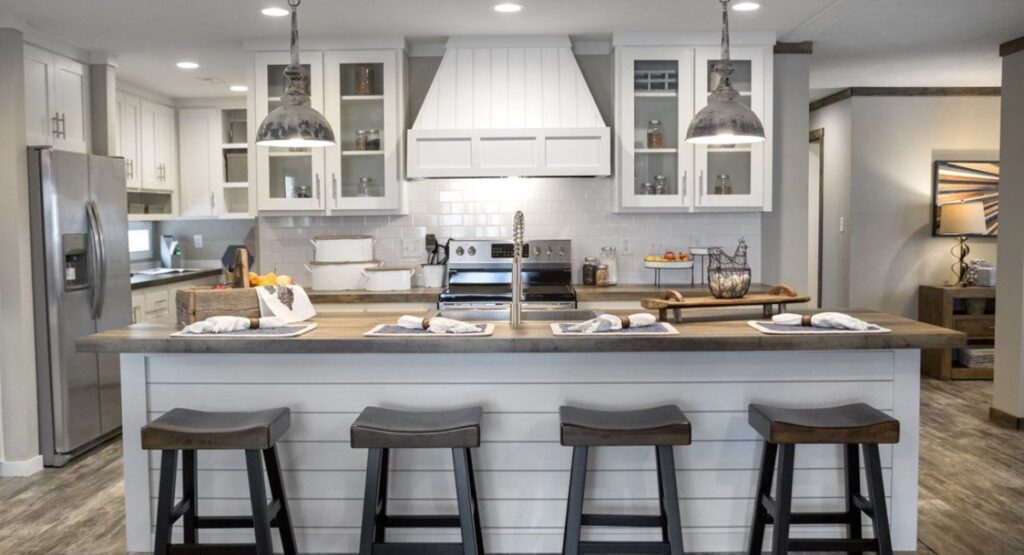
Kitchen Renovation: The kitchen is one of the most important areas in any home. Updating cabinets, countertops, and appliances creates a more functional and attractive space. Consider installing energy-efficient appliances, modern sinks, and stylish backsplashes. Even small changes, such as new cabinet handles or lighting under cabinets, can make a big difference.
Bathroom Upgrades: Bathrooms in older mobile homes often require renovations to improve functionality and appearance. Replace old fixtures, sinks, and toilets with modern alternatives. Adding a new shower or bathtub, updating tile or flooring, and improving ventilation can transform a bathroom into a clean and comfortable space.
Bedrooms: Bedrooms should be cozy and inviting. Consider replacing worn-out flooring, painting walls in calming colors, and updating closets or storage solutions. Adding modern lighting, window treatments, and functional furniture can enhance comfort and make bedrooms more practical.
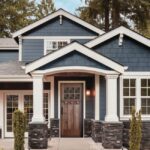
Exterior and Roofing: The exterior of a mobile home is just as important as the interior. Update siding, paint, and roofing to improve curb appeal and protect the home from weather damage. Inspect for leaks, rot, or structural issues and address them promptly to ensure the home remains safe and durable.
Insulation and Energy Efficiency: Older mobile homes often lack proper insulation, leading to higher energy bills. Upgrading insulation in walls, ceilings, and floors helps maintain temperature and reduce utility costs. Installing energy-efficient windows, doors, and HVAC systems further improves comfort and efficiency.
Budgeting for Your Mobile Home Renovation
Budgeting is a crucial part of any renovation project. Estimate costs for materials, labor, and unexpected expenses. Prioritize essential upgrades and consider DIY options for smaller projects to save money. The table below outlines approximate costs for common mobile home renovation areas:
| Renovation Area | Estimated Cost | Notes |
|---|---|---|
| Flooring | $500 – $2,500 | Depends on material and size of home |
| Kitchen | $2,000 – $8,000 | Includes cabinets, countertops, and appliances |
| Bathroom | $1,500 – $5,000 | Varies by fixtures and tile choices |
| Bedrooms | $500 – $2,000 | Paint, flooring, and storage updates |
| Exterior & Roofing | $3,000 – $10,000 | Siding, roof replacement, painting |
| Insulation & Windows | $1,500 – $5,000 | Energy efficiency upgrades |
Tools and Materials Needed for Renovation
Renovating a mobile home requires a variety of tools and materials. Essential hand tools include hammers, screwdrivers, pliers, wrenches, measuring tapes, levels, and utility knives. Power tools such as drills, saws, sanders, and nail guns make projects faster and more efficient. Safety gear, including goggles, gloves, dust masks, and ear protection, is essential to prevent injuries.
Materials depend on the specific renovation area. Flooring materials may include laminate, vinyl, or carpet. Kitchen upgrades require cabinets, countertops, backsplashes, and fixtures. Bathroom renovations need sinks, toilets, showers, tiles, and faucets. Paint, primer, lighting fixtures, doors, and window treatments are necessary for cosmetic updates. Proper planning ensures you have all materials ready before starting any project.
DIY vs Professional Help
While many mobile home renovations can be completed as DIY projects, certain tasks require professional expertise. Electrical work, plumbing, roofing, and major structural changes should be handled by licensed professionals to ensure safety and compliance with building codes. For DIY-friendly projects, focus on painting, flooring installation, cabinet updates, minor repairs, and decorating. Combining DIY efforts with professional assistance allows you to manage costs while achieving high-quality results.
Organizing Your Renovation Projects
Organization is key to a successful renovation. Create a timeline and checklist for each project to track progress and avoid delays. Keep materials and tools organized in labeled containers, bins, or shelves. Dedicate a workspace for cutting, painting, or assembly to prevent clutter in living areas. Proper organization reduces stress, saves time, and ensures that all aspects of the renovation are completed efficiently.
Maintenance After Renovation
Once your mobile home renovation is complete, regular maintenance ensures longevity and keeps your home looking its best. Inspect roofing, siding, and windows periodically for damage or wear. Clean and maintain flooring, cabinets, and fixtures according to manufacturer recommendations. Check plumbing, HVAC systems, and electrical components for proper functioning. Keeping up with maintenance prevents minor issues from becoming major problems and preserves the value of your mobile home.
Conclusion
Renovating a mobile home is a rewarding way to create a personalized and comfortable living space. By planning carefully, budgeting wisely, selecting the right tools and materials, and combining DIY projects with professional help, homeowners can transform even an older mobile home into a modern and functional residence. Prioritizing essential areas such as the kitchen, bathroom, living spaces, exterior, and energy efficiency ensures that the renovation adds both aesthetic appeal and practical value. With organization, safety, and maintenance in mind, a renovated mobile home becomes a space that is not only enjoyable to live in but also an investment that increases the home’s long-term worth. Whether you are tackling the project yourself or enlisting professional assistance, the end result is a mobile home that reflects your personal style and meets your family’s needs.