Why Choosing the Right Security Door Matters More Than You Think
When it comes to protecting your home, most people focus on alarms, cameras, and smart locks but the first and most critical line of defense is your door. A weak or poorly installed door can make even the most advanced security system ineffective. Intruders often look for the easiest entry point, and in many cases, that’s the door.
Choosing the right type of door for home security is not just about strength it’s about durability, design, materials, locking mechanisms, and installation quality. A well-secured door can deter break-ins, protect your family, and give you peace of mind.
In this comprehensive guide, we’ll explore the best types of doors for home security, their features, pros and cons, and how to choose the right one for your needs.
Steel Doors: The Ultimate Security Choice
Steel doors are widely considered one of the best options for home security. They are strong, durable, and highly resistant to forced entry.
These doors are typically made with a solid steel outer layer and a foam or wood core, making them both tough and energy-efficient.
Why steel doors are great for security:
- Extremely hard to break or kick in
- Resistant to warping, cracking, and shrinking
- Fire-resistant properties
- Long-lasting with minimal maintenance
However, steel doors can dent if hit hard and may rust over time if not properly maintained. Despite this, they remain one of the most reliable choices for homeowners who prioritize safety.
Solid Wood Doors: Classic Strength with Style
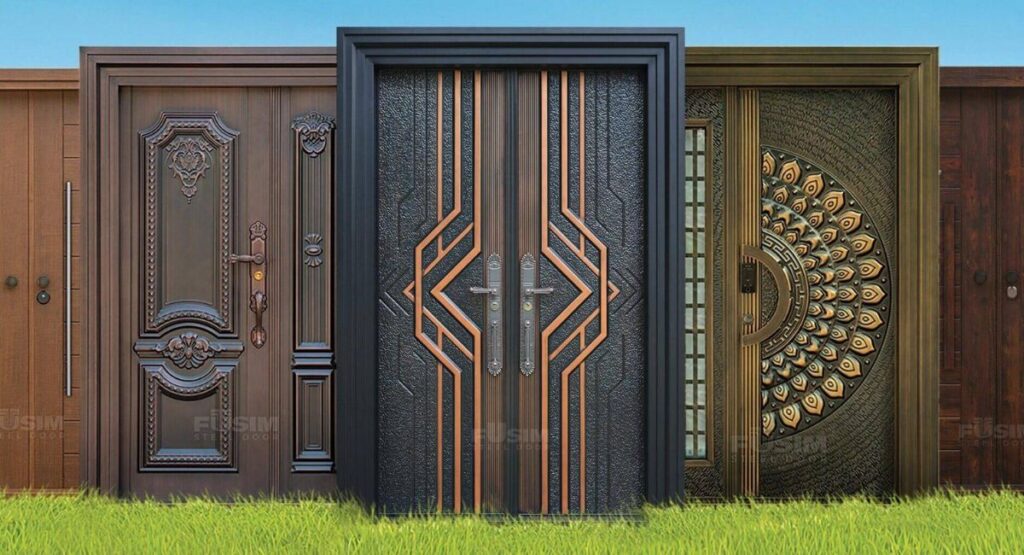
Solid wood doors offer a combination of beauty and strength. Unlike hollow-core doors, solid wood doors are heavy and sturdy, making them difficult to break.
Hardwoods like oak, mahogany, and teak provide better resistance against forced entry compared to softer woods.
Advantages of solid wood doors:
- Strong and heavy construction
- Natural insulation properties
- Aesthetic appeal for traditional and modern homes
- Customizable designs
The downside is that wood doors require regular maintenance to prevent warping or cracking due to weather changes. Still, they remain a solid option when properly maintained and reinforced.
Fiberglass Doors: Durable and Low Maintenance
Fiberglass doors have become increasingly popular due to their durability and versatility. They can mimic the appearance of wood while offering better resistance to weather and wear.
Although not as strong as steel, high-quality fiberglass doors can still provide good security when combined with strong cores and reinforced frames.
Key benefits of fiberglass doors:
- Resistant to dents, rust, and corrosion
- Low maintenance
- Energy-efficient
- Available in various styles and finishes
For homeowners who want a balance between security and aesthetics, fiberglass doors are a practical choice.
Solid Core Doors: A Hidden Security Upgrade
Solid core doors are often overlooked but provide a significant upgrade over hollow-core doors. These doors are filled with dense materials like engineered wood or composite, making them heavier and more secure.
They are commonly used for interior doors but can also serve as secure exterior doors when properly reinforced.
Why choose solid core doors:
- Better resistance to impact than hollow doors
- Affordable security upgrade
- Improved sound insulation
- Durable construction
If you’re on a budget but still want improved security, solid core doors are a smart investment.
Aluminum Doors: Lightweight Yet Strong
Aluminum doors are known for their modern appearance and resistance to corrosion. While they are lightweight compared to steel, they can still provide decent security when built with reinforced frames.
They are often used in contemporary homes and paired with glass panels.
Pros of aluminum doors:
- Rust-resistant
- Lightweight and easy to handle
- Sleek, modern design
- Low maintenance
However, aluminum doors alone may not provide maximum security unless combined with strong locks and reinforced glass.
Security Screen Doors: Extra Layer of Protection
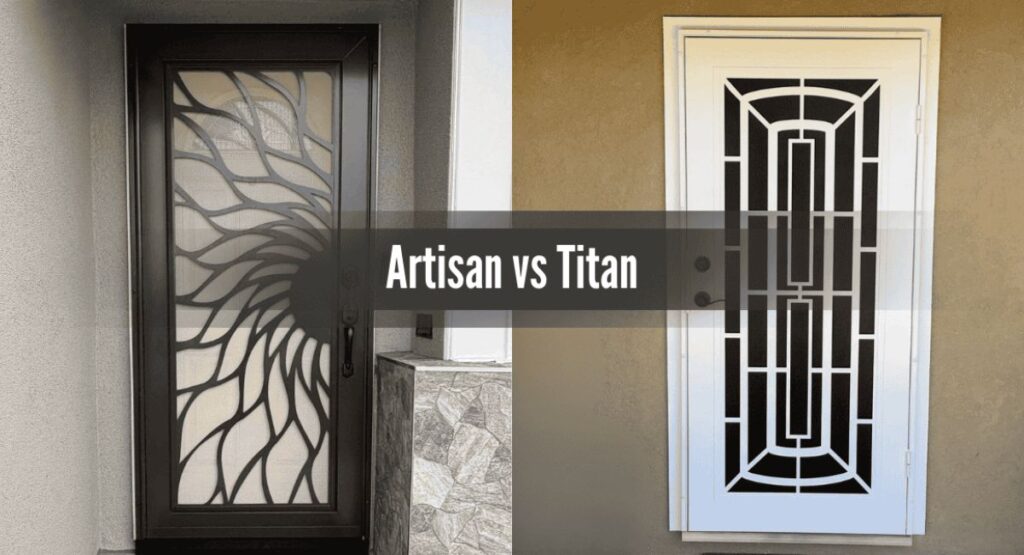
Security screen doors are installed in front of your main door, adding an additional barrier against intruders. These doors are typically made of steel mesh or metal grids.
They allow airflow and visibility while maintaining security.
Benefits of security screen doors:
- Added protection without blocking ventilation
- Acts as a deterrent to burglars
- Enhances door strength
- Allows you to open the main door safely
They work best when combined with a solid main door behind them.
Glass Doors with Reinforced Security Features
Glass doors are often seen as weak points in home security, but modern technology has changed that. Reinforced glass options like tempered glass, laminated glass, or double-glazed panels can significantly improve safety.
Security-enhanced glass features:
- Tempered glass resists shattering
- Laminated glass holds together when broken
- Multi-layer glazing adds strength
Still, glass doors should always be paired with strong locks and frames to ensure maximum protection.
Comparison of Door Types for Home Security
| Door Type | Security Level | Durability | Maintenance | Cost Range |
|---|---|---|---|---|
| Steel Doors | Very High | Very High | Low | Medium-High |
| Solid Wood | High | Medium | High | High |
| Fiberglass | Medium-High | High | Low | Medium |
| Solid Core | Medium | Medium | Low | Low-Medium |
| Aluminum | Medium | High | Low | Medium |
| Glass (Reinforced) | Medium | Medium | Medium | Medium-High |
Key Features That Make a Door Secure
Choosing the right material is only part of the equation. A truly secure door includes several important features:
1. Strong Door Frame
Even the strongest door can fail if the frame is weak. Reinforced steel or hardwood frames are essential.
2. High-Quality Locks
Deadbolt locks, smart locks, and multi-point locking systems significantly enhance security.
3. Hinges and Hardware
Heavy-duty hinges and tamper-proof hardware prevent forced entry.
4. Door Thickness
Thicker doors provide better resistance against impact and break-ins.
5. Proper Installation
Even the best door won’t perform well if it’s poorly installed. Professional installation is key.
Common Mistakes to Avoid When Choosing Security Doors
Many homeowners unknowingly compromise their security by making simple mistakes:
- Choosing hollow-core doors for exterior use
- Ignoring the importance of door frames
- Using low-quality locks
- Prioritizing design over security
- Skipping professional installation
Avoiding these mistakes can significantly improve your home’s safety.
Best Door Choice Based on Your Needs
The “best” door depends on your specific situation:
- Maximum security: Steel doors
- Classic look with strength: Solid wood doors
- Low maintenance option: Fiberglass doors
- Budget-friendly upgrade: Solid core doors
- Modern design homes: Aluminum or glass doors with reinforcement
Understanding your priorities helps you make the right decision.
Final Thoughts: Invest in Security, Not Just Style
Your front door is more than just an entry point it’s your home’s first defense against potential threats. While style and design matter, security should always come first.
Steel doors remain the top choice for maximum protection, but other options like solid wood and fiberglass can also offer strong security when combined with proper hardware and installation.
Instead of focusing on just one feature, think of your door as a complete system material, frame, locks, and installation all working together. Making the right choice today can save you from serious risks in the future.
If you’re upgrading your home, don’t overlook the importance of a secure door it’s one of the smartest investments you can make.