
Introduction: Why Garden Kits Are a Smart Choice for Modern Homes
Gardening is one of those hobbies that looks simple from the outside but feels confusing when you actually try to start. People often get stuck at the very first step: what to buy, what to plant, what soil is best, and how much water is needed. This is exactly where a garden kit becomes a game-changer.
A garden kit is basically a ready-to-use package designed to help you start gardening without stress. It brings together the essentials like seeds, soil, containers, and sometimes even tools. Instead of running from store to store and still feeling unsure, you get everything in one organized set.
The reason garden kits are becoming so popular is that they fit into today’s lifestyle. Many people want plants in their homes, but they don’t have time to become gardening experts. Some people live in apartments and believe they can’t garden. Others have outdoor space but don’t know where to begin. Garden kits solve all these problems by making gardening easy, structured, and enjoyable.
Whether you want fresh herbs for cooking, vegetables for healthier meals, or flowers for beauty, a garden kit is one of the easiest ways to bring life into your home. And the best part is that even beginners can succeed with the right kit and basic care.
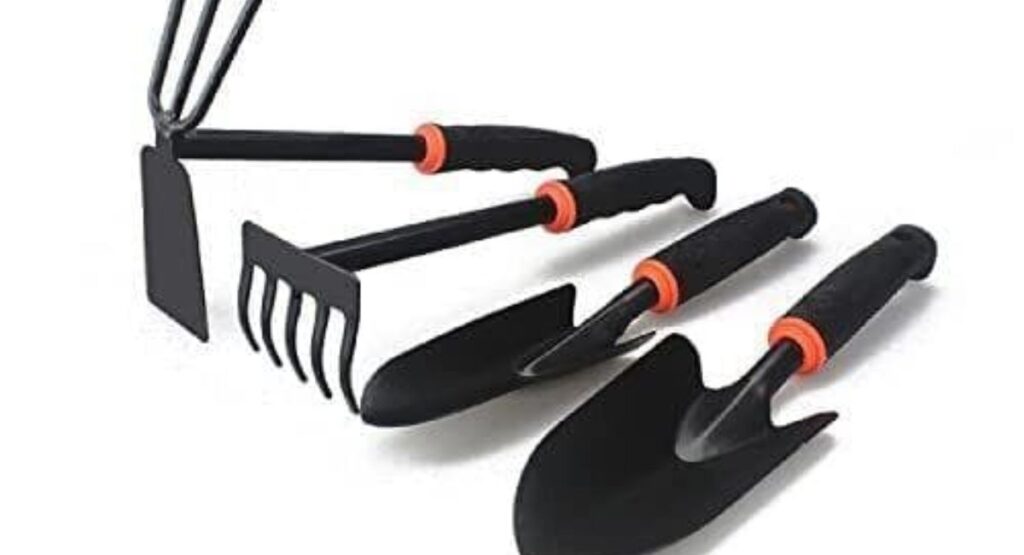
What Exactly Is a Garden Kit and How Does It Work?
A garden kit is a complete gardening starter set that includes materials and instructions to grow plants. Most kits are designed so that even someone who has never touched soil before can follow the steps and see results.
Garden kits work by providing you with a simplified system. Instead of making you decide everything yourself, the kit has already made the key decisions for you. It includes seeds that are easy to grow, soil that supports germination, and containers that match the plant’s needs.
Most garden kits come with an instruction guide that explains how deep to plant seeds, how much to water, and where to place the kit. Some advanced kits even include grow lights and self-watering features.
This is why garden kits are perfect for:
- Beginners who want an easy start
- Busy homeowners who want low-maintenance gardening
- People living in apartments or small spaces
- Families who want a fun activity with kids
- Anyone who wants greenery without confusion
Why Garden Kits Are Better Than Buying Gardening Supplies Separately
Many people assume that buying everything separately is cheaper. Sometimes it is, but for beginners, it often leads to wasted money. People buy the wrong soil, the wrong seeds, or containers that don’t drain properly. They may also forget to buy important things like plant markers or fertilizer.
Garden kits reduce this risk because they are designed as a complete solution. They also help you avoid the frustration of trial and error.
A good garden kit offers:
- Better organization
- Easier setup
- Faster results
- Less confusion
- A more enjoyable experience
For beginners, this is extremely important because early success builds confidence. When you grow your first basil plant or see your first tomato flower, it motivates you to keep going.
Most Popular Types of Garden Kits You Can Buy Today
Garden kits are available in many styles. The best one depends on your goals and your home environment. Some kits are made for indoor spaces, while others are designed for outdoor gardens.
Here are the most common types of garden kits.
Herb Garden Kits for Kitchens and Small Balconies
Herb kits are the most beginner-friendly garden kits. Herbs grow quickly, don’t need large pots, and can be harvested regularly. They are also very useful because you can use them in cooking every day.
Most herb kits include seeds such as:
- Basil
- Mint
- Parsley
- Cilantro
- Thyme
- Oregano
Herb kits work best in sunny kitchen windows or balconies where they get 4–6 hours of sunlight daily.
Vegetable Garden Kits for Growing Fresh Food at Home
Vegetable garden kits are designed for people who want to grow edible plants. These kits can be incredibly rewarding because you get fresh produce at home.
Common vegetables included in kits are:
- Tomatoes
- Lettuce
- Spinach
- Radishes
- Carrots
- Peppers
Vegetable kits usually need more sunlight and space than herb kits. However, they provide a strong sense of satisfaction because you are literally growing your own food.
Flower Garden Kits for Beauty, Color, and Outdoor Appeal
Flower kits are perfect for those who want a colorful home. They make balconies, patios, and front yards look beautiful. Flower kits also attract bees and butterflies, which helps nature.
Common flowers in kits include:
- Marigolds
- Sunflowers
- Zinnias
- Lavender
- Wildflower mixes
Flower kits are also great gifts because they feel personal and thoughtful.
Indoor Garden Kits for Apartments and Low-Space Homes
Indoor garden kits are designed for people who don’t have outdoor space. They often include small pots, soil, and seeds that grow well indoors.
Indoor kits are commonly used for:
- Herbs
- Microgreens
- Small leafy vegetables
Some indoor kits also include grow lights, which makes them more successful in low sunlight.
Hydroponic Garden Kits for Modern and Fast Growth
Hydroponic kits are advanced garden kits that allow plants to grow in water instead of soil. These kits are popular because they are clean, modern, and often faster.
Hydroponic kits usually include:
- A water tank
- Plant pods
- Nutrient solution
- LED grow lights
- A water circulation system
They can grow herbs and greens quickly and are perfect for indoor use.
What Comes Inside a Garden Kit: A Complete Breakdown
Most garden kits include basic gardening essentials, but the quality can vary. Understanding what comes inside helps you choose a kit that actually works.
Typical garden kit items include:
- Seeds or plant pods
- Soil or soil pellets
- Pots or containers
- Plant markers
- Instructions
- Fertilizer (in many kits)
Some premium kits include:
- Gloves
- Pruning scissors
- Self-watering trays
- Grow lights
- Decorative planters
The best garden kits provide not only materials but also guidance. A beginner-friendly kit explains everything clearly, including how to fix common issues.
Garden Kit Cost Guide: What You Should Expect to Spend
Garden kits can be affordable or expensive depending on the type. A small herb kit is cheap, while hydroponic kits can be costly.
Here is a clear price guide:
| Garden Kit Type | Best For | Average Price Range |
|---|---|---|
| Herb garden kit | Beginners and kitchens | $10–$35 |
| Vegetable garden kit | Fresh food growing | $20–$80 |
| Flower garden kit | Decoration and beauty | $15–$60 |
| Indoor garden kit | Apartments and indoor use | $25–$120 |
| Hydroponic garden kit | Fast indoor growth | $60–$300+ |
If you are starting for the first time, an herb kit or indoor kit is usually the best choice because it gives quick results and builds confidence.
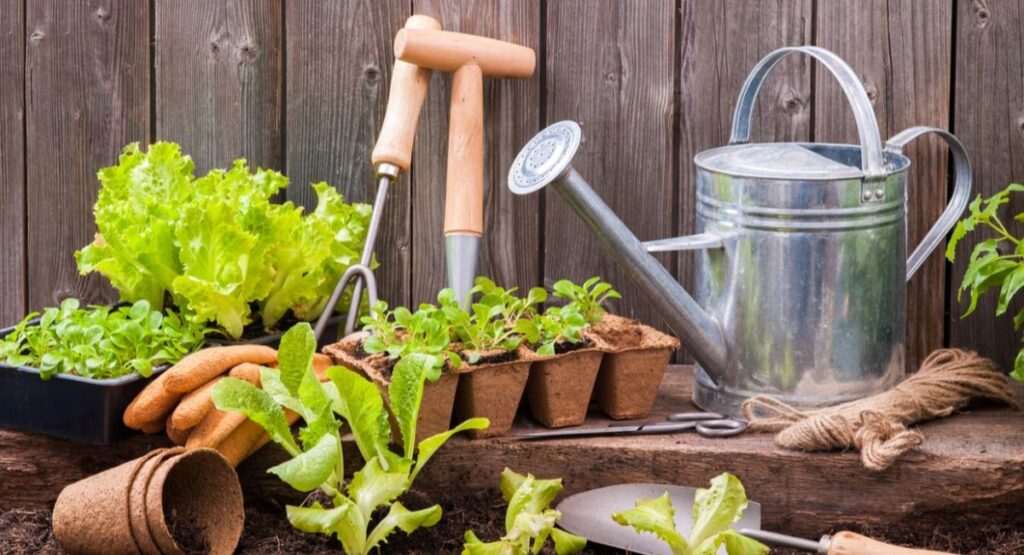
How to Set Up a Garden Kit Step by Step for Best Results
The setup process is usually simple, but doing it correctly is important. A small mistake like overwatering can ruin your entire kit.
First, open the kit and read the instructions once. Many people skip this and then get confused later. After that, prepare the pots and soil. If the kit includes soil pellets, soak them properly so they expand fully. If it includes loose soil, fill the containers without pressing too hard.
Next, plant the seeds. The biggest mistake beginners make is planting seeds too deep. Most seeds only need a light covering. After planting, water gently. A spray bottle is ideal for the first few days because it keeps seeds in place.
Then place your kit in the right location. If it is an outdoor kit, choose a sunny spot. If it is indoor, place it near the brightest window. If the kit includes a grow light, keep it on for the recommended hours.
Once seedlings appear, thin them if needed. This means removing weaker sprouts so the strongest plant can grow properly. It may feel strange, but it helps plants become stronger and healthier.
Finally, after 2–3 weeks, you can start feeding the plants lightly if the kit includes fertilizer.
Best Plants to Grow in a Garden Kit for Beginners
Some plants grow easily and give fast results, making them perfect for garden kits. Choosing beginner-friendly plants increases success.
For herbs, the best options are basil, mint, parsley, and chives. Basil grows quickly and is very rewarding. Mint is extremely easy, but it grows aggressively, so it should be kept separate.
For vegetables, leafy greens like lettuce and spinach are the easiest. Radishes are also excellent because they grow fast. Cherry tomatoes can be grown in kits, but they require strong sunlight and a larger pot.
For flowers, marigolds and zinnias are the best beginner choices because they tolerate different conditions and grow beautifully.
How to Maintain a Garden Kit Without Overworking Yourself
The best thing about garden kits is that they can be maintained with a simple routine. You don’t need to spend hours daily.
Watering is the most important task. A good rule is to water only when the top inch of soil feels dry. If the soil is still moist, wait. Overwatering is the most common reason garden kits fail.
Sunlight is also essential. If your plants look weak or tall and thin, they need more light. Move them to a sunnier spot or use a grow light.
Harvesting herbs helps them grow better. When you cut herbs regularly, they become bushier and produce more leaves. If you never harvest, herbs can become tall and weak.
Check your plants every few days for pests. If you see small insects, you can use neem oil or mild soap water. Most small kits don’t face serious pest issues if watering is controlled.
Common Garden Kit Problems and How to Fix Them
Even the best garden kit can face problems, but most issues are easy to fix.
If seeds are not sprouting, it could be due to low temperature, old seeds, or overwatering. Keep soil lightly moist and place the kit in a warm area.
If seedlings are growing tall and weak, it means they are not getting enough sunlight. Move them closer to a bright window or use a grow light.
If leaves are turning yellow, the most common reason is too much water. Let soil dry slightly before watering again.
If you see mold on the soil, reduce watering and improve air circulation.
If plants stop growing after a few weeks, the soil may need nutrients. Add a small amount of fertilizer if the kit provides it.
Garden Kit Ideas for Different Home Styles and Spaces
Garden kits are flexible and can be used in many home setups.
If you live in an apartment, a windowsill herb kit or microgreens kit is ideal. If you have a balcony, you can grow herbs, flowers, or even tomatoes in containers.
If you have a small backyard, raised bed kits are excellent. They allow you to grow vegetables in an organized way.
If you want modern indoor gardening, hydroponic kits are perfect. They look stylish and grow plants fast.
If you have kids, flower kits like sunflowers are fun because kids love watching them grow.
Why Garden Kits Make an Excellent Gift for Any Occasion
Garden kits are one of the most thoughtful gifts because they feel personal and meaningful. They encourage the person to grow something, care for it, and enjoy the results.
Garden kits are great for:
- Housewarming gifts
- Birthdays
- Mother’s Day
- Weddings
- New apartment gifts
- Holiday gifts
Unlike many gifts that are used once and forgotten, a garden kit continues to provide joy for weeks and months.
Final Thoughts: Is a Garden Kit Worth Buying?
A garden kit is absolutely worth it if you want to start gardening easily. It removes confusion, saves time, and gives you a complete system to grow plants successfully. Whether you want herbs for cooking, vegetables for healthier meals, or flowers for beauty, a garden kit helps you start without stress.
The key to success is choosing a kit that matches your space and sunlight, watering correctly, and staying consistent. Once you successfully grow your first kit, you will feel more confident to expand your garden and try more plants.