Why Your Exterior Door Matters More Than You Think
Your exterior door is more than just an entry point it’s a statement, a security barrier, and a key contributor to your home’s energy efficiency. Whether you’re building a new house or upgrading your current one, choosing the right exterior door can significantly impact your home’s appearance, comfort, and value.
A well-selected door enhances curb appeal, improves insulation, increases safety, and even reduces energy bills. On the other hand, a poor choice can lead to drafts, security risks, and frequent maintenance headaches. That’s why taking the time to understand your options is essential.
Understand the Different Types of Exterior Doors
Before making a decision, it’s important to know the main types of exterior doors available. Each type serves a specific purpose and offers unique benefits.
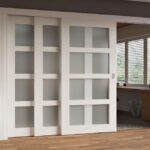
Front entry doors are the most visible and should combine style with durability. Patio doors, such as sliding or French doors, are designed to provide easy access to outdoor spaces while allowing natural light inside. Storm doors add an extra layer of protection against harsh weather, while security doors are built specifically for enhanced safety.
Choosing the right type depends on your home layout, climate, and personal preferences.
Choose the Right Material for Durability and Style
One of the most critical decisions is selecting the door material. Each material has its own pros and cons, and your choice will affect longevity, maintenance, and cost.
Wood doors are classic and elegant, offering unmatched beauty and customization. However, they require regular maintenance to prevent warping or rotting.
Steel doors are known for their strength and security. They are more affordable than wood and require less maintenance, but they can dent and may not offer the same aesthetic appeal.
Fiberglass doors are becoming increasingly popular due to their durability, energy efficiency, and ability to mimic wood without the maintenance. They resist weather damage and are ideal for extreme climates.
Aluminum doors are lightweight and rust-resistant, making them a good option for modern homes, although they may not provide the same insulation as other materials.
Compare Materials at a Glance
| Material | Durability | Maintenance | Energy Efficiency | Cost Range | Best For |
|---|---|---|---|---|---|
| Wood | Medium | High | Medium | High | Traditional aesthetics |
| Steel | High | Low | High | Medium | Security-focused homes |
| Fiberglass | High | Low | High | Medium-High | All-weather performance |
| Aluminum | Medium | Low | Medium | Medium | Modern designs |
Focus on Security Features
Security should never be compromised when choosing an exterior door. Look for doors with solid cores, reinforced frames, and high-quality locking systems.
Deadbolt locks are essential, but you can go a step further with smart locks, multi-point locking systems, and impact-resistant glass. If you live in an area with higher security concerns, steel or reinforced fiberglass doors are ideal.
Also, consider the door frame and hinges weak components can make even the strongest door vulnerable.
Consider Energy Efficiency and Insulation
An exterior door plays a major role in maintaining indoor temperature. Poor insulation can lead to heat loss in winter and heat gain in summer, increasing your energy bills.
Look for doors with proper insulation cores, weather stripping, and energy-efficient glass panels if applicable. Fiberglass and steel doors generally offer better insulation compared to wood.
Energy-efficient doors not only save money but also make your home more comfortable year-round.
Pick a Style That Matches Your Home
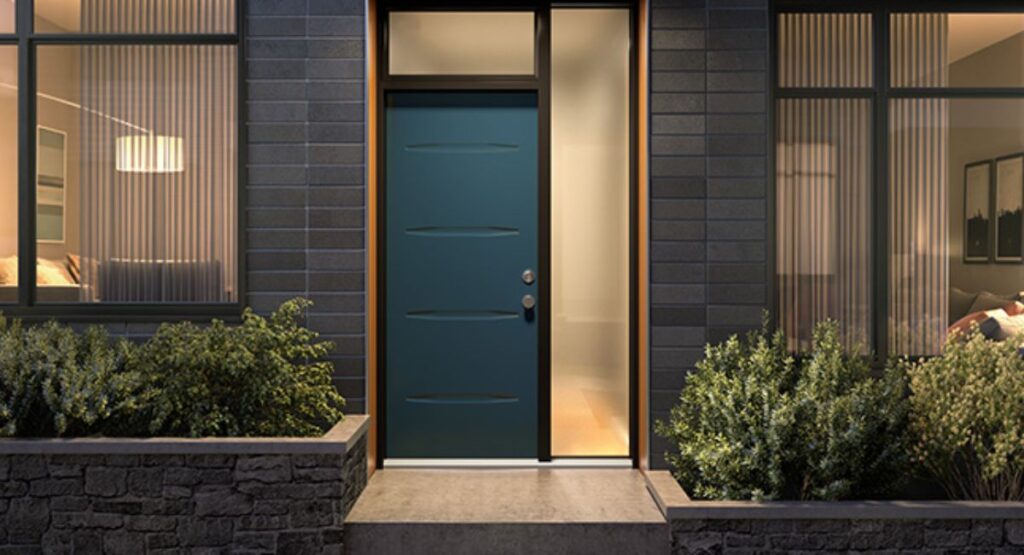
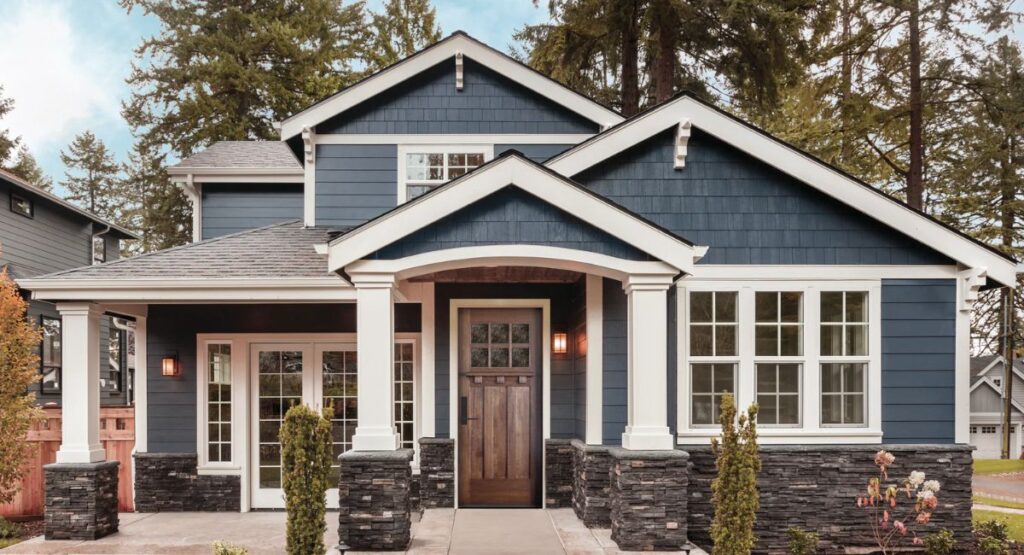
Your exterior door should complement your home’s architectural style. A modern house may benefit from sleek aluminum or fiberglass doors with clean lines, while a traditional home might look best with a wooden panel door.
Color is another important factor. Bold colors like red or navy can make a strong statement, while neutral tones provide a timeless look. Glass inserts, decorative panels, and hardware finishes can further enhance the overall appearance.
Remember, your front door is one of the first things people notice—make it count.
Don’t Ignore Climate and Weather Conditions
Your local climate should heavily influence your choice. In areas with high humidity or heavy rainfall, materials like fiberglass or aluminum perform better because they resist moisture damage.
For regions with extreme temperatures, insulated doors are a must. If your home faces direct sunlight, UV-resistant finishes can help prevent fading and damage.
Choosing a door suited to your environment ensures long-term performance and reduces maintenance costs.
Evaluate Maintenance Requirements
Different materials require different levels of care. Wood doors need regular sealing or painting, while steel doors may need occasional repainting to prevent rust.
Fiberglass doors are the easiest to maintain, requiring only basic cleaning. If you prefer a low-maintenance option, fiberglass or steel is the way to go.
Think about how much time and effort you’re willing to invest in upkeep before making your decision.
Check Door Size and Proper Fit
A door that doesn’t fit properly can cause a range of issues, from energy loss to security risks. Always ensure accurate measurements before purchasing.
Standard sizes work for most homes, but custom doors are available if your entryway has unique dimensions. Proper installation is just as important as the door itself poor installation can negate all the benefits of a high-quality door.
Set a Realistic Budget
Exterior doors come in a wide range of prices, depending on material, design, and features. While it might be tempting to go for the cheapest option, investing in a high-quality door pays off in the long run.
Consider not just the upfront cost but also maintenance, energy savings, and durability. A slightly higher initial investment can save you money over time.
Think About Additional Features
Modern exterior doors offer a variety of advanced features that can enhance convenience and functionality.
Smart locks allow keyless entry and remote access. Built-in blinds in glass panels provide privacy without extra curtains. Soundproofing features can reduce noise from outside, especially if you live in a busy area.
These extras may not be essential, but they can significantly improve your overall experience.
Professional Installation vs DIY
While some homeowners prefer DIY installation, hiring a professional ensures the job is done correctly. Proper sealing, alignment, and fitting are crucial for performance.
A poorly installed door can lead to drafts, leaks, and security issues. If you’re not experienced, it’s best to leave installation to the experts.
Long-Term Value and ROI
Upgrading your exterior door is one of the simplest ways to increase your home’s value. A stylish, secure, and energy-efficient door can boost curb appeal and attract potential buyers.
Even if you’re not planning to sell, the improved comfort, safety, and aesthetics make it a worthwhile investment.
Common Mistakes to Avoid
Many homeowners make the mistake of focusing only on appearance and ignoring functionality. Others choose materials that aren’t suitable for their climate or overlook security features.
Another common error is improper measurement, which leads to fitting issues. Avoid rushing the decision—take time to research and compare options.
Final Thoughts: Make a Smart, Balanced Choice
Choosing the best exterior door for your home requires a balance between style, security, durability, and budget. There’s no one-size-fits-all solution, so consider your specific needs, climate, and preferences.
A well-chosen door not only enhances your home’s look but also improves comfort, safety, and efficiency. Take your time, explore your options, and invest wisely you’ll thank yourself every time you walk through your front door.