
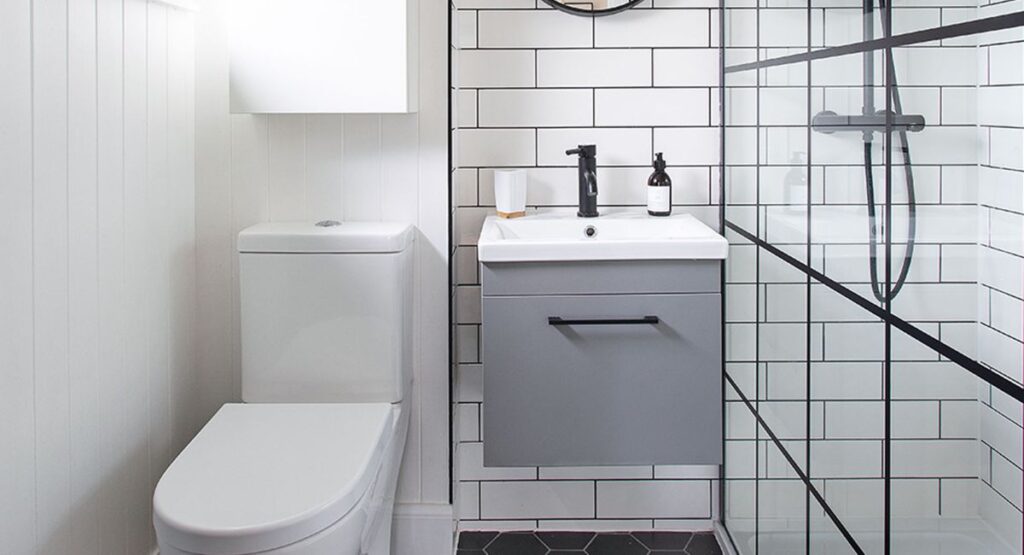
Remodeling a small bathroom can feel overwhelming at first, especially when you’re working with limited space, a tight budget, and high expectations. However, with the right planning, design choices, and execution, even the smallest bathroom can be transformed into a functional, stylish, and comfortable space. A small bathroom remodel is not just about looks; it’s about maximizing usability, improving storage, enhancing lighting, and making the space feel larger than it actually is.
This guide walks you through every stage of remodeling a small bathroom, from planning and layout decisions to fixtures, materials, and finishing touches. Whether you’re remodeling for personal comfort or increasing home value, this article will help you make smart, practical decisions.
Understanding the Challenges of a Small Bathroom Remodel
Before starting any remodeling project, it’s important to understand the unique challenges that come with small bathrooms. Limited square footage means every decision matters. Poor planning can result in clutter, awkward layouts, or wasted space. Small bathrooms also tend to have limited natural light, fewer storage options, and tighter plumbing constraints.
The key is not to fight the size but to work with it. A well-remodeled small bathroom feels open, efficient, and intentional. When each element serves a purpose, the space becomes both beautiful and practical.
Planning Your Small Bathroom Remodel
Planning is the most critical step in remodeling a small bathroom. Skipping this phase often leads to costly mistakes and unsatisfactory results. Start by evaluating your current bathroom. Identify what works and what doesn’t. Is storage insufficient? Is the layout uncomfortable? Does the bathroom feel dark or cramped?
Set clear goals for your remodel. Decide whether your priority is improving functionality, upgrading aesthetics, increasing resale value, or all three. Once your goals are clear, establish a realistic budget that includes materials, labor, permits, and a contingency fund for unexpected expenses.
Accurate measurements are essential. Measure the entire bathroom, including wall lengths, ceiling height, door swing, and window placement. These measurements will guide your layout and fixture choices.
Choosing the Right Layout for a Small Bathroom
The layout can make or break a small bathroom remodel. Keeping the existing plumbing locations can significantly reduce costs, but sometimes minor adjustments are worth the investment if they improve usability.
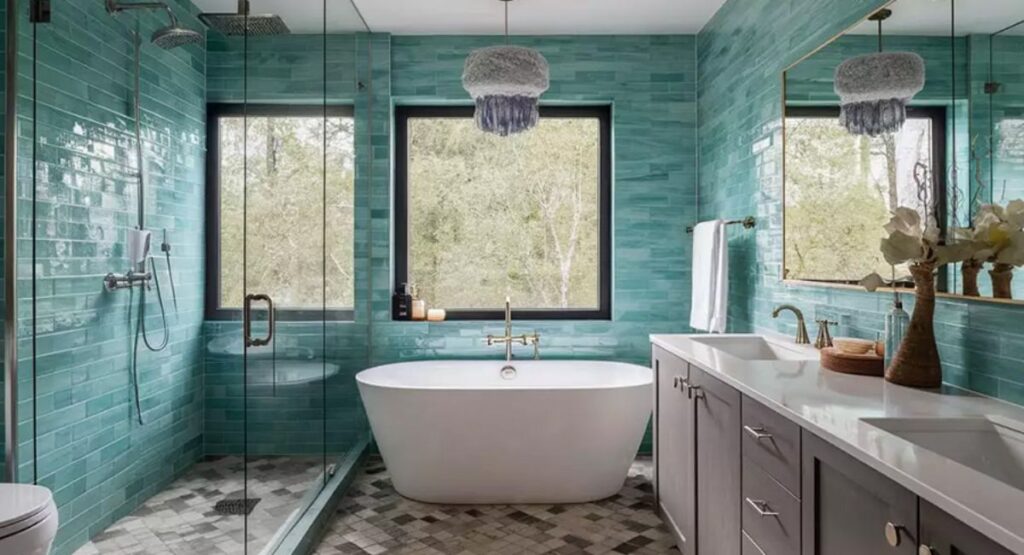
Wall-mounted fixtures, corner sinks, and compact toilets are excellent choices for small bathrooms. Walk-in showers often work better than tubs in tight spaces, especially when paired with frameless glass enclosures that visually open up the room.
If your bathroom layout allows it, aim for a clear pathway from the door to the shower or vanity. Avoid overcrowding the space with oversized fixtures.
Selecting Space-Saving Fixtures
Choosing the right fixtures is essential when remodeling a small bathroom. Compact and multifunctional fixtures help conserve space without sacrificing comfort.
Wall-hung toilets free up floor space and make cleaning easier. Floating vanities create the illusion of more space by exposing the floor underneath. Slim-profile sinks and faucets keep the area looking clean and uncluttered.
Showers should be designed with efficiency in mind. A curbless shower with a linear drain not only looks modern but also improves accessibility and visual flow.
Smart Storage Solutions for Small Bathrooms
Storage is often the biggest challenge in small bathrooms. Without proper storage, even the most beautiful remodel can feel messy and chaotic.
Built-in shelving, recessed medicine cabinets, and vanity drawers with organizers maximize storage without taking up extra space. Vertical storage is especially effective; tall cabinets or open shelves above the toilet make use of otherwise wasted wall space.
Mirrored cabinets serve a dual purpose by providing storage and reflecting light, making the room feel larger.
Choosing the Right Materials and Finishes
Materials play a huge role in how spacious a small bathroom feels. Light-colored tiles, glossy finishes, and reflective surfaces help bounce light around the room.
Large-format tiles are often better than small tiles because they reduce grout lines, creating a cleaner and more open appearance. Continuous flooring from the bathroom into the shower area enhances visual continuity.
Durability is just as important as aesthetics. Choose moisture-resistant materials that can withstand humidity and daily use.
Color Schemes That Make a Small Bathroom Look Bigger
Color selection is one of the most powerful tools in a small bathroom remodel. Neutral shades such as white, beige, light gray, and soft pastels create an airy feel.
Monochromatic color schemes work especially well in small spaces because they reduce visual breaks. Using the same color for walls, tiles, and fixtures creates a seamless look.
Accent colors can be introduced through accessories, towels, or subtle tile patterns, but they should be used sparingly to avoid visual clutter.
Lighting Strategies for Small Bathrooms
Lighting can dramatically transform a small bathroom. Poor lighting makes the space feel cramped, while well-planned lighting enhances both function and ambiance.
Layered lighting works best. Combine ambient lighting for overall brightness, task lighting around the mirror, and accent lighting to highlight architectural features.
LED lights are energy-efficient and ideal for bathrooms. Backlit mirrors add a modern touch while providing excellent illumination for grooming tasks.
Ventilation and Moisture Control
Proper ventilation is essential in a small bathroom remodel. Without it, moisture buildup can lead to mold, mildew, and long-term damage.
Install a high-quality exhaust fan that is appropriately sized for the bathroom. If possible, choose a fan with humidity sensors or built-in lighting.
Good ventilation protects your investment and keeps the bathroom fresh and comfortable.
Flooring Options for Small Bathrooms
Bathroom flooring should be slip-resistant, water-resistant, and visually appealing. Porcelain and ceramic tiles are popular choices because they are durable and easy to maintain.
Patterned tiles can add personality, but keep patterns subtle to avoid overwhelming the space. Heated flooring is an optional upgrade that adds comfort without taking up any physical space.
Walls and Tile Design Ideas
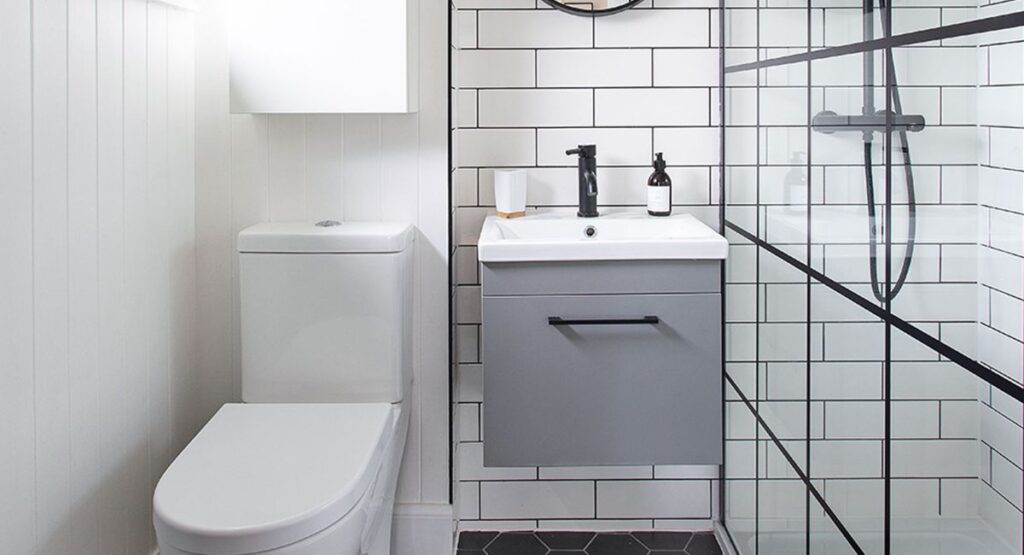
Wall treatments can elevate a small bathroom remodel when done correctly. Tiling walls vertically can create the illusion of height, while horizontal tile patterns can make the room appear wider.
Partial tiling combined with painted walls is a cost-effective option that adds visual interest. Waterproof paint should always be used in moisture-prone areas.
Budget Breakdown for a Small Bathroom Remodel
Below is a general cost breakdown to help you understand where your budget may go during a small bathroom remodel.
| Remodeling Element | Estimated Cost Range |
|---|---|
| Fixtures and Plumbing | $1,500 – $4,000 |
| Flooring and Tiles | $1,000 – $3,000 |
| Vanity and Storage | $800 – $2,500 |
| Lighting and Electrical | $500 – $1,500 |
| Labor and Installation | $2,000 – $5,000 |
This table represents average estimates and may vary depending on location, materials, and labor rates.
DIY vs Professional Remodeling
Deciding whether to DIY or hire professionals depends on your skills, budget, and project scope. Painting, installing shelves, and replacing fixtures are often manageable DIY tasks.
However, plumbing, electrical work, and waterproofing should usually be handled by professionals to ensure safety and compliance with building codes.
A hybrid approach can help control costs while maintaining quality.
Timeline for Remodeling a Small Bathroom
A small bathroom remodel typically takes between two to four weeks, depending on complexity. Planning and ordering materials in advance can prevent delays.
Unexpected issues such as plumbing repairs or structural problems may extend the timeline, so flexibility is important.
Common Mistakes to Avoid
One common mistake is choosing style over function. A beautiful bathroom that lacks storage or proper lighting quickly becomes frustrating.
Another mistake is overcrowding the space with too many design elements. Simplicity is key in small bathrooms.
Failing to plan for ventilation and waterproofing can lead to long-term problems that are expensive to fix.
Final Touches That Complete the Look
Accessories and finishing touches bring the remodel together. Coordinated hardware, quality towels, minimal décor, and plants suited for humid environments add warmth and personality.
Keep accessories minimal to maintain a clean and uncluttered look.
Final Thoughts on Remodeling a Small Bathroom
Remodeling a small bathroom is a rewarding project when approached thoughtfully. With smart planning, space-saving fixtures, light-enhancing materials, and efficient storage solutions, even the smallest bathroom can feel spacious and luxurious. A successful small bathroom remodel balances aesthetics with functionality, ensuring that every inch serves a purpose. By following the steps and strategies outlined in this guide, you can confidently transform your small bathroom into a space that feels comfortable, modern, and perfectly suited to your needs.