The Rise of Retro Living: Why 1950s Design Still Matters Today
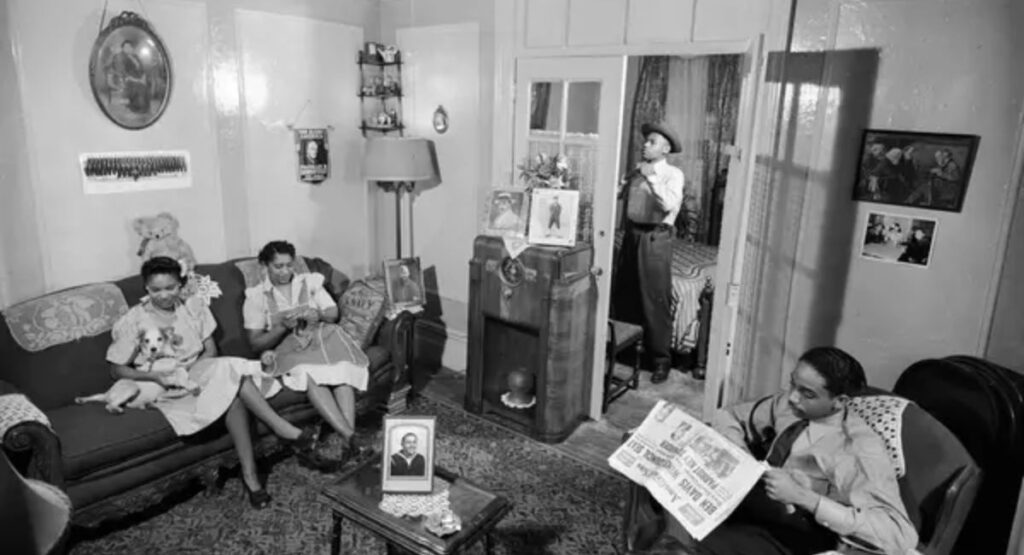
The 1950s living room represents one of the most iconic periods in interior design history. Emerging after World War II, this decade brought a renewed sense of optimism, creativity, and modern living. Homes became more than just functional spaces; they transformed into expressions of personality and lifestyle. The living room, in particular, became the heart of the home, where families gathered, entertained guests, and showcased their sense of style.
Characterized by bold colors, sleek furniture, and innovative materials, the 1950s living room continues to inspire modern interiors today. Its unique combination of comfort and design innovation makes it a timeless aesthetic that homeowners and designers still admire. This article explores the defining features, furniture, color schemes, accessories, and lasting influence of 1950s living rooms.
The Cultural Influence Behind 1950s Design
The design of the 1950s living room was heavily influenced by social and economic changes. After the war, there was a surge in suburban living, and families began investing more in their homes. With increased access to new materials and manufacturing techniques, furniture became more affordable and widely available.
Television also made its way into households during this time, changing how living rooms were arranged. Seating was often oriented toward the TV, making it a central focal point. This shift marked the beginning of the modern entertainment-centered living space.
Additionally, the influence of modernist design movements brought clean lines and functional aesthetics into homes. Designers focused on creating pieces that were both beautiful and practical, reflecting a forward-thinking approach to living.
Key Characteristics of a 1950s Living Room
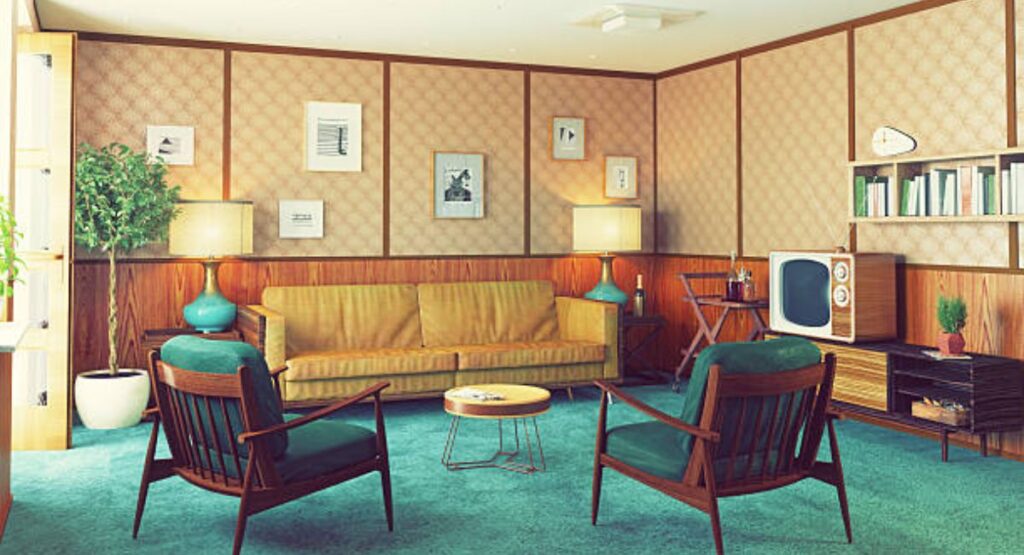
A 1950s living room is defined by its clean lines, organic shapes, and a balance between simplicity and boldness. Furniture often featured tapered legs, giving pieces a lighter and more elegant appearance. This design choice created a sense of openness and space.
Another defining feature was the use of new materials such as plastic, plywood, and metal. These materials allowed for innovative designs that were not possible in earlier decades. The combination of traditional craftsmanship with modern technology resulted in furniture that was both stylish and durable.
Open layouts also became more common, with living rooms flowing into dining areas or kitchens. This created a more social and interactive environment, reflecting the changing lifestyle of the time.
Furniture Styles That Defined the Era
Furniture in the 1950s living room was both functional and visually striking. Sofas and chairs often featured low profiles, clean lines, and minimal ornamentation. Upholstery included bold patterns and vibrant colors, adding personality to the space.
Coffee tables were typically simple yet stylish, often made from wood with sleek finishes. Side tables and cabinets followed similar design principles, emphasizing functionality without sacrificing aesthetics.
One of the most notable features was the use of modular furniture. This allowed homeowners to rearrange pieces according to their needs, making the space more versatile. Recliners and lounge chairs also gained popularity, reflecting a growing focus on comfort.
Color Palettes and Patterns
The color schemes of 1950s living rooms were bold, cheerful, and full of life. Popular colors included turquoise, mustard yellow, coral, mint green, and pastel shades. These colors were often combined in creative ways to create a lively and inviting atmosphere.
Patterns played a significant role in the overall design. Geometric prints, abstract shapes, and atomic-inspired designs were commonly used in upholstery, rugs, and curtains. These patterns added visual interest and reflected the futuristic optimism of the era.
Neutral tones were also used to balance the bold colors. Shades of beige, white, and gray provided a backdrop that allowed vibrant accents to stand out without overwhelming the space.
Lighting and Its Role in Design
Lighting was an essential element in 1950s living rooms, serving both functional and decorative purposes. Floor lamps with sculptural designs were popular, often featuring metal or wood bases with unique shapes.
Table lamps were also widely used, adding warmth and ambiance to the room. Many lamps featured colorful shades or interesting textures, contributing to the overall aesthetic.
Ceiling lighting included chandeliers and pendant lights, often with a modern twist. Sputnik-style chandeliers, inspired by the space age, became iconic symbols of the decade. These lighting fixtures not only illuminated the space but also acted as statement pieces.
Accessories That Completed the Look
Accessories played a crucial role in defining the 1950s living room. Decorative items such as ceramic vases, abstract sculptures, and wall clocks added character and personality.
Wall art often featured abstract or modern designs, reflecting the artistic trends of the time. Mirrors were also popular, helping to create a sense of space and light.
Textiles, including curtains and rugs, were carefully chosen to complement the color scheme and patterns of the room. Throw pillows and blankets added comfort while enhancing the visual appeal.
Technology and Its Impact on Layout
The introduction of television had a significant impact on the layout of 1950s living rooms. Furniture was arranged to provide a clear view of the TV, making it a central feature of the space.
This shift led to more organized and intentional layouts. Seating arrangements were designed to encourage social interaction while also accommodating entertainment needs. The living room became a multifunctional space, blending relaxation and entertainment.
Other technological advancements, such as improved heating systems and lighting, also influenced design choices. These innovations allowed for greater comfort and convenience, enhancing the overall living experience.
Comparison of 1950s Living Room Elements
| Element | 1950s Style Characteristics | Modern Interpretation | Key Benefit |
|---|---|---|---|
| Furniture | Sleek, low-profile, tapered legs | Minimalist with retro influence | Space-saving and stylish |
| Colors | Bold and pastel combinations | Neutral with accent colors | Balanced visual appeal |
| Lighting | Sculptural and decorative | Functional with design elements | Enhances ambiance |
| Accessories | Artistic and expressive | Personalized and curated | Adds character |
| Layout | Open and TV-centered | Flexible and multifunctional | Improves usability |
How to Recreate a 1950s Living Room Today
Recreating a 1950s living room does not require a complete overhaul. By incorporating key elements, you can achieve the look while maintaining modern comfort. Start with furniture that features clean lines and tapered legs. Look for pieces that combine vintage aesthetics with contemporary functionality.
Choose a color palette that reflects the era, incorporating both bold and pastel tones. Add patterned textiles and accessories to bring the design to life. Lighting should be both functional and decorative, with statement pieces that capture the spirit of the 1950s.
Accessories are the finishing touch. Incorporate vintage-inspired décor, such as abstract art and retro clocks, to complete the look. Mixing old and new elements can create a balanced and unique space.
The Lasting Influence of 1950s Design
The design principles of the 1950s continue to influence modern interiors. The emphasis on simplicity, functionality, and creativity remains relevant today. Many contemporary designs draw inspiration from this era, blending retro elements with modern innovations.
Mid-century modern style, which originated in the 1950s, is particularly popular. Its timeless appeal lies in its ability to adapt to different settings while maintaining its distinctive character.
The 1950s living room serves as a reminder that great design is not just about trends but about creating spaces that are both beautiful and functional.
Balancing Vintage Charm with Modern Needs
While the 1950s aesthetic is appealing, it is important to adapt it to modern lifestyles. Incorporating modern technology and comfort features can enhance the usability of the space without compromising its style.
For example, modern sofas can be designed with retro elements while offering improved comfort. Smart lighting systems can replicate the warm ambiance of vintage fixtures while providing greater control.
Finding the right balance between vintage charm and modern convenience ensures that the space is both stylish and practical.
Conclusion
The 1950s living room is a perfect example of how design can reflect cultural shifts and technological advancements. With its bold colors, innovative furniture, and emphasis on comfort, it created a new standard for home interiors.
Today, this iconic style continues to inspire homeowners and designers alike. By incorporating its key elements, it is possible to create a space that is both nostalgic and contemporary.
Ultimately, a 1950s living room is more than just a design trend. It is a celebration of creativity, optimism, and the idea that a home should be a place of comfort, style, and self-expression.