
introduction
A clogged bathtub drain is one of the most common household plumbing issues, yet it can quickly turn from a minor inconvenience into a frustrating problem. Slow-draining water, standing pools, and unpleasant odors are all signs that your bathtub drain is not functioning properly. Understanding the causes, effective solutions, and prevention strategies can help homeowners deal with this issue efficiently without always needing professional assistance.
This article provides a complete guide to clogged bathtub drains, explaining why they happen, how to fix them, and how to prevent them from recurring. With the right approach, you can maintain a clean and fully functional drainage system in your bathroom.
Common Causes of a Clogged Bathtub Drain
Clogged drains usually do not happen overnight. They develop over time due to the accumulation of various materials that restrict water flow. One of the most common causes is hair buildup. When hair combines with soap residue, it forms clumps that stick to the walls of the drainpipe, gradually reducing the space for water to pass through.
Soap scum is another major contributor. Many soaps contain fats and minerals that can harden and stick to the pipes, creating a sticky layer that traps other debris. Over time, this buildup becomes thick enough to block the drain.
Dirt and grime also play a role, especially when people rinse off after outdoor activities. These particles settle in the pipes and combine with soap and hair, worsening the blockage. In some cases, small objects such as jewelry, bottle caps, or plastic pieces may accidentally fall into the drain and cause immediate obstruction.
Hard water minerals can further complicate the situation. They create scale buildup inside pipes, narrowing the passage and making it easier for debris to get stuck.
Signs That Your Bathtub Drain Is Clogged
Recognizing the early signs of a clogged drain can help prevent more serious plumbing issues. One of the most noticeable indicators is slow drainage. If water takes longer than usual to go down, it is likely that a blockage is forming.
Standing water in the bathtub is a more severe sign. This occurs when the clog is significant enough to completely block the flow of water. At this stage, immediate action is required.
Unpleasant odors coming from the drain are another warning sign. These smells are usually caused by trapped debris that begins to decompose. Gurgling sounds can also indicate a clog, as air struggles to pass through the blocked pipe.
DIY Methods to Fix a Clogged Bathtub Drain
There are several effective do-it-yourself methods that can help clear a clogged bathtub drain. One of the simplest approaches is using boiling water. Pouring hot water down the drain can help dissolve soap scum and loosen minor clogs.
A plunger is another useful tool. By creating suction, it can dislodge blockages and restore water flow. It is important to ensure a proper seal around the drain for the plunger to work effectively.
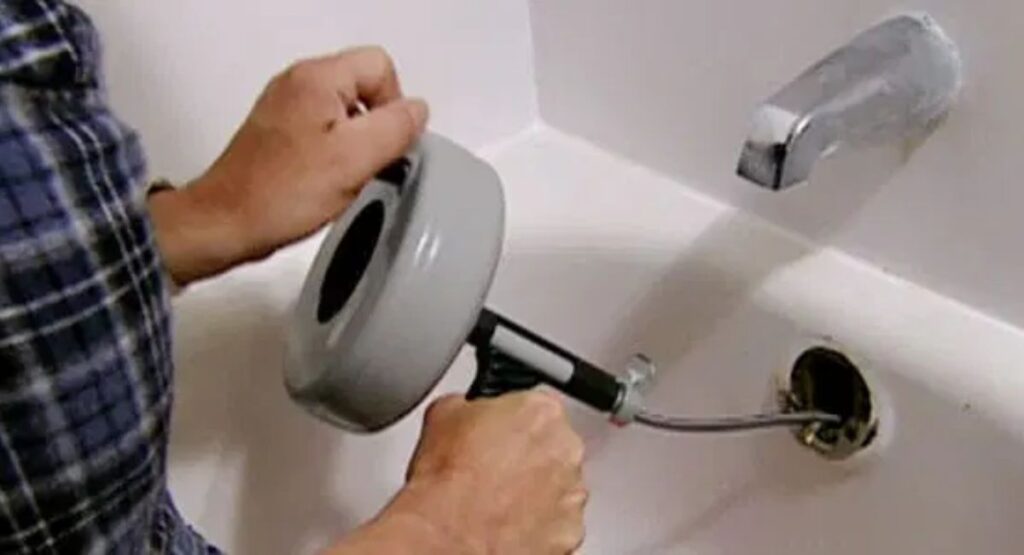
A drain snake or auger is particularly effective for removing hair clogs. This tool can reach deep into the pipe and pull out debris that is causing the blockage. It is a practical solution for more stubborn clogs.
A mixture of baking soda and vinegar is a natural and eco-friendly option. When combined, these ingredients create a chemical reaction that helps break down buildup inside the pipes. After letting the mixture sit for some time, flushing it with hot water can improve results.
When to Use Chemical Drain Cleaners
Chemical drain cleaners are widely available and can be effective for dissolving tough clogs. However, they should be used with caution. These products contain strong chemicals that can damage pipes if used excessively.
It is important to follow the instructions carefully and avoid mixing different types of cleaners, as this can create dangerous reactions. Chemical cleaners should be considered a last resort when other methods fail.
For households with older plumbing systems, it is especially important to be cautious, as harsh chemicals can weaken or corrode pipes over time.
Tools and Methods Comparison
| Method | Effectiveness Level | Cost | Safety Level | Best For |
|---|---|---|---|---|
| Boiling Water | Low to Medium | Very Low | Very Safe | Minor soap scum buildup |
| Plunger | Medium | Low | Safe | Light to moderate clogs |
| Drain Snake | High | Medium | Safe | Hair and deep blockages |
| Baking Soda & Vinegar | Medium | Low | Very Safe | Organic buildup |
| Chemical Cleaners | High | Medium | Low (with misuse) | Tough and stubborn clogs |
Preventing Future Bathtub Drain Clogs
Prevention is always better than dealing with a clog after it occurs. One of the simplest ways to prevent clogs is by using a drain cover or hair catcher. This accessory prevents hair and debris from entering the drain in the first place.
Regular cleaning is also essential. Flushing the drain with hot water once a week can help remove buildup before it becomes a problem. Periodically using a natural cleaning solution, such as baking soda and vinegar, can also keep the pipes clear.
Avoid washing heavy dirt or greasy substances down the drain. These materials can stick to the pipes and contribute to blockages. Being mindful of what goes into the drain can significantly reduce the risk of clogs.
The Role of Professional Plumbers
While many clogs can be resolved with DIY methods, some situations require professional assistance. If the clog persists despite multiple attempts to clear it, it may indicate a deeper issue within the plumbing system.
Professional plumbers have specialized tools and expertise to diagnose and fix complex problems. They can also inspect the pipes for damage, corrosion, or other issues that may be contributing to the clog.
Hiring a professional can save time and prevent further damage, especially in severe cases where DIY methods are not effective.
Impact of Clogged Drains on Your Home
Ignoring a clogged bathtub drain can lead to more serious problems over time. Standing water can damage the bathtub surface and create an environment for mold and mildew growth. This not only affects the appearance of the bathroom but also poses health risks.
Persistent clogs can also put pressure on the plumbing system, potentially leading to leaks or pipe damage. In severe cases, water overflow can cause damage to floors and surrounding areas.
Addressing clogs promptly helps maintain the integrity of your plumbing system and prevents costly repairs in the future.
Eco-Friendly Approaches to Drain Maintenance
As more homeowners become environmentally conscious, eco-friendly solutions for drain maintenance are gaining popularity. Natural cleaning methods, such as baking soda and vinegar, are safe for both pipes and the environment.
Enzyme-based cleaners are another option. These products use natural bacteria to break down organic material in the pipes. They are less harsh than chemical cleaners and can be used regularly for maintenance.
Reducing water waste and using sustainable cleaning practices can also contribute to a more eco-friendly household.
Understanding Your Plumbing System
Having a basic understanding of how your plumbing system works can make it easier to deal with clogs. Bathtub drains are connected to a network of pipes that carry wastewater away from your home. Any blockage in this system can affect the overall flow.
Knowing the location of key components, such as the drain trap, can help in identifying and resolving issues. The trap is designed to hold a small amount of water to prevent sewer gases from entering the home, but it can also collect debris and contribute to clogs.
Being familiar with your plumbing system allows you to take proactive measures and respond quickly when problems arise.
Long-Term Maintenance Strategies
Maintaining a clear bathtub drain requires consistent effort. Establishing a routine cleaning schedule can help prevent buildup and ensure smooth drainage. Simple practices, such as removing visible hair after each use, can make a significant difference.
Investing in quality plumbing accessories, such as durable drain covers and effective cleaning tools, can also improve maintenance efforts. These small investments can save money in the long run by reducing the need for repairs.
Educating all household members about proper drain usage is another important step. When everyone follows good practices, the likelihood of clogs decreases significantly.
Conclusion
A clogged bathtub drain is a common but manageable problem that can be addressed with the right knowledge and tools. By understanding the causes, recognizing the signs, and using effective solutions, homeowners can restore proper drainage and maintain a clean bathroom environment.
Preventive measures, regular maintenance, and mindful usage play a key role in avoiding future clogs. While DIY methods are often sufficient, professional help should be sought when necessary to ensure the issue is fully resolved.
Ultimately, keeping your bathtub drain clear not only improves functionality but also contributes to a healthier and more comfortable home. With consistent care and attention, you can prevent clogs and enjoy a hassle-free plumbing system for years to come.