
Introduction
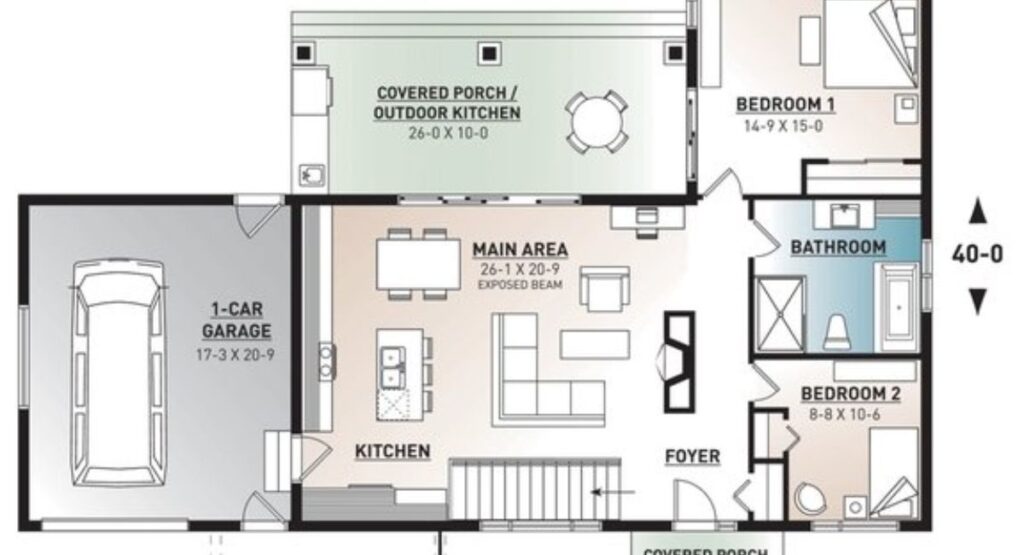
Finding the floor plan of a house can be extremely helpful for homeowners, buyers, and renovators. A floor plan shows the layout of a property, including room sizes, wall placements, doors, windows, and structural features. It provides a clear visual understanding of how a house is organized and how different spaces connect with each other.
Many homeowners need floor plans for renovation projects, interior design planning, real estate listings, or property documentation. Sometimes the original blueprint of a house is misplaced or never provided to the current owner. Fortunately, there are several ways to locate or recreate accurate floor plans.
This guide explains step-by-step methods homeowners can use to find or obtain floor plans for their property. By following these practical steps, you can access the layout information needed for planning upgrades, remodeling projects, or property management.
Why Floor Plans Are Important for Homeowners
Floor plans are essential because they provide a detailed visual representation of a house’s structure. They help homeowners understand how rooms are arranged and how space flows throughout the property.
When planning renovations or home improvements, floor plans make it easier to visualize potential changes. For example, homeowners can see whether a wall can be removed, where new doors can be added, or how furniture can fit into a room.
Floor plans are also useful for contractors, architects, and designers who need accurate measurements before starting a project. Without a proper layout, construction planning becomes more complicated and prone to errors.
In addition, real estate agents often use floor plans when marketing properties because they help buyers quickly understand the layout of a home.
Step 1: Check Your Home Purchase Documents
The first place to look for a house floor plan is within your home purchase documents. Many homeowners receive architectural drawings or layout diagrams when buying a property.
Important documents that may include floor plans include:
- Property disclosure documents
- Builder’s documentation
- Construction blueprints
- Mortgage paperwork
- Inspection reports
If the house was built by a developer or builder, the original floor plan may have been included with the purchase paperwork.
Even if a full architectural blueprint is not available, some documents may include simplified layout diagrams that can still be helpful.
Step 2: Contact the Original Builder or Developer
If your home is part of a residential development or housing project, the original builder may still have copies of the floor plans. Builders typically keep records of their construction projects for future reference.
Homeowners can contact the builder or development company and request a copy of the original house layout. Builders often provide digital copies of standard floor plans used for homes within a particular neighborhood.
When contacting the builder, it is helpful to provide information such as:
- Property address
- Lot number
- Construction year
- Model name of the house (if available)
This information makes it easier for the builder to locate the correct floor plan.
Step 3: Visit Your Local Municipal or City Office
Local government offices often store building permits, architectural drawings, and construction plans for residential properties. These records are typically kept by the building department or city planning office.
Homeowners can request copies of these documents, which may include original house floor plans or structural blueprints.
Municipal records are especially useful for older homes because builders may no longer have the original documents. In many cases, city archives maintain copies of approved building plans submitted during construction.
The availability of these records varies depending on local regulations, but they are often accessible through a simple request process.
Step 4: Search Online Real Estate Listings
Another useful method for finding a floor plan is searching online real estate listings. If the home was previously listed for sale, the listing may include a floor plan diagram or layout sketch.
Real estate websites sometimes include floor plans to help buyers understand the property layout. Even older listings may still exist in archived databases.
When searching online, try looking for:
- Previous property listings
- Real estate marketing materials
- Property brochures
- Agent websites
These sources may contain simplified floor plans that still provide a useful overview of the home layout.
Step 5: Ask the Previous Homeowner
If possible, contacting the previous homeowner can also be helpful. Many homeowners keep documents related to construction, renovations, or remodeling projects.
Previous owners may have stored the original floor plan or created updated layouts during past renovations. Even if they no longer have the original blueprint, they may be able to provide helpful information about the structure of the house.
This approach is particularly useful for homes that have undergone significant renovations over time.
Step 6: Hire a Professional to Create a Floor Plan
If the original floor plan cannot be found, homeowners can hire a professional to create a new one. Architects, designers, and surveyors often provide floor plan drafting services.
Professionals measure the property and produce accurate layout drawings that include room dimensions, wall positions, and structural features. These updated floor plans are especially useful for renovation planning.
Many professionals now use digital tools to create precise layouts quickly. In some cases, 3D models and virtual layouts can also be generated.
Although this option involves some cost, it ensures that the floor plan is accurate and tailored to the current structure of the home.
Step 7: Use Floor Plan Apps and Digital Tools
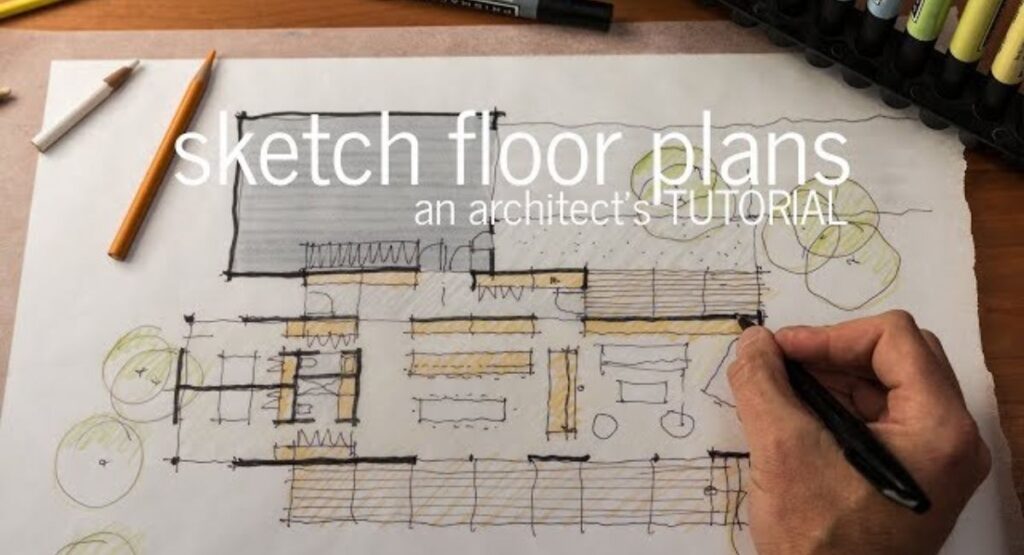
Modern technology has made it easier for homeowners to create their own floor plans. Several mobile apps and online tools allow users to measure rooms and generate digital layouts.
These tools typically work by allowing homeowners to:
- Measure room dimensions
- Add doors and windows
- Create wall layouts
- Generate simple 2D or 3D floor plans
While these tools may not replace professional architectural drawings, they can provide a quick and helpful representation of the house layout.
Digital floor plan tools are especially useful for interior design planning and furniture placement.
Common Sources for Finding House Floor Plans
The table below summarizes the most common places homeowners can search for floor plans.
| Source | What You Can Find |
|---|---|
| Home Purchase Documents | Original blueprints or layout diagrams |
| Builder or Developer | Standard model floor plans |
| Municipal Building Office | Approved construction drawings |
| Real Estate Listings | Simplified layout diagrams |
| Previous Homeowner | Renovation plans or original documents |
Using multiple sources often increases the chances of finding accurate floor plan information.
Tips for Verifying Floor Plan Accuracy
Once a floor plan is located, it is important to verify that it matches the current structure of the house. Over time, renovations may change the layout significantly.
Homeowners should compare the floor plan with the actual property to check for differences such as:
- Removed or added walls
- Extended rooms
- Converted spaces
- Updated doors or windows
If the house has undergone major changes, updating the floor plan ensures that the layout remains accurate for future projects.
Accurate floor plans are essential for safe renovations and efficient space planning.
Conclusion
Finding the floor plan of a house may seem challenging, but several reliable methods can help homeowners locate or recreate this valuable information. From checking purchase documents and contacting builders to visiting municipal offices and exploring real estate listings, there are many ways to access property layouts.
If the original floor plan cannot be found, hiring a professional or using digital floor plan tools can provide accurate alternatives. These solutions ensure homeowners still have a clear understanding of their property’s layout.
Floor plans play a crucial role in renovation planning, home improvement projects, and property management. By following these step-by-step strategies, homeowners can successfully find or create the floor plans they need to make informed decisions about their homes.