
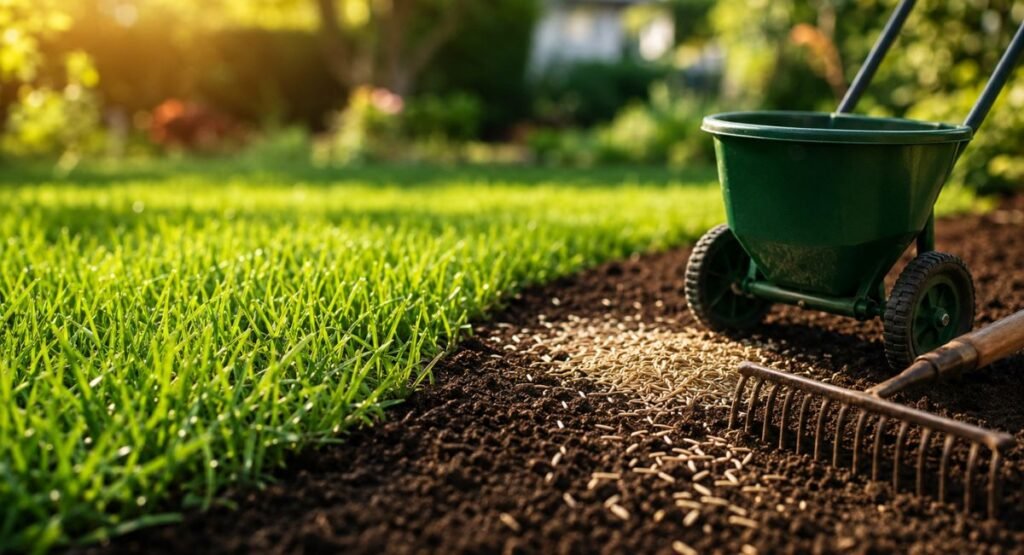
A healthy, green lawn starts with planting grass seed at the right time. While grass seed can technically be planted during several parts of the year, the best timing depends on your grass type, local climate, soil temperature, and expected weather conditions. Planting during the ideal season gives seeds the warmth, moisture, and growing conditions they need to germinate quickly and develop strong roots.
Whether you are starting a completely new lawn or filling in thin, damaged areas, understanding the best time to plant grass seed can make a major difference in your results. This guide explains when to plant different types of grass, how temperature affects germination, and what you can do to help new grass grow successfully.
Table of Contents
- When Is the Best Time to Plant Grass Seed?
- Best Time to Plant Cool-Season Grass
- Best Time to Plant Warm-Season Grass
- Why Soil Temperature Matters
- How Weather Affects Grass Seed
- Best Time of Day to Plant Grass Seed
- How to Prepare the Soil Before Seeding
- How to Plant Grass Seed Correctly
- How Often Should New Grass Seed Be Watered?
- Common Grass Seed Planting Mistakes
- How Long Does Grass Seed Take to Germinate?
- Frequently Asked Questions
When Is the Best Time to Plant Grass Seed?
For most lawns, the best time to plant grass seed is during a season when temperatures are moderate and there is enough natural moisture. However, the exact timing depends on whether you are growing cool-season or warm-season grass.
Cool-season grasses generally perform best when planted in late summer or early fall. During this period, the soil is still warm enough for germination, while cooler air temperatures reduce stress on young plants.
Warm-season grasses are usually best planted in late spring or early summer. These grasses need warm soil and warm weather to germinate and establish healthy roots.
The goal is to give grass seed several weeks of favorable growing conditions before extreme heat, cold, or drought arrives.
Best Time to Plant Cool-Season Grass
Cool-season grasses include popular varieties such as Kentucky bluegrass, perennial ryegrass, and tall fescue. These grasses grow actively when temperatures are cool and generally perform well in regions with cold winters and moderate summers.
The ideal planting period is usually late summer through early fall. Soil remains warm from the summer, which encourages quick seed germination, while cooler temperatures create comfortable conditions for developing grass.
Early fall is particularly useful because young grass has time to establish roots before winter. Another advantage is that weed competition may be lower than during spring.
Spring can also work for cool-season grass, but it often requires more attention. As temperatures rise, young grass can face heat stress and competition from rapidly growing weeds.
Best Time to Plant Warm-Season Grass
Warm-season grasses thrive in hot weather and are commonly grown in areas with long, warm summers. Examples include Bermuda grass, zoysia grass, centipede grass, and St. Augustine grass.
The best time to plant warm-season grass seed is generally late spring through early summer, once soil temperatures are consistently warm.
Planting too early can slow germination because cold soil prevents seeds from developing properly. Waiting until the soil has warmed gives the seeds a much better environment for growth.
Warm-season grasses should ideally be planted early enough in the growing season to allow the lawn to establish before the hottest and driest part of summer.
Why Soil Temperature Matters
Air temperature is important, but soil temperature can be even more useful when deciding when to plant grass seed.
Grass seeds require specific soil conditions to germinate. If the soil is too cold, germination can be slow or uneven. If conditions are extremely hot and dry, seeds may struggle to maintain the moisture they need.
Cool-season grasses generally prefer cooler soil conditions, while warm-season grasses need significantly warmer soil.
Before planting, check the recommended soil temperature for your specific grass variety. A simple soil thermometer can help you determine whether conditions are suitable.
How Weather Affects Grass Seed
Weather plays an important role in successful grass seed establishment. Ideally, planting should be done when the forecast provides several days or weeks of relatively favorable conditions.
Light rainfall after planting can be helpful because it keeps the seed and upper layer of soil moist. However, heavy rainfall can wash seeds away or create puddles that interfere with germination.
Strong winds can also move uncovered seeds across the lawn, creating uneven growth.
Avoid planting immediately before severe storms, extreme heat, or prolonged periods of drought. A stable weather window makes it easier to maintain consistent soil moisture during germination.
Best Time of Day to Plant Grass Seed
Grass seed can be planted at almost any convenient time of day, but early morning or late afternoon can be practical choices.
During cooler parts of the day, the soil surface loses less moisture compared with the hottest part of the afternoon. This can make watering easier, especially in warm climates.
The more important factor is not the exact hour you spread the seed but ensuring that the soil is properly prepared and kept consistently moist after planting.
How to Prepare the Soil Before Seeding
Good soil preparation is one of the most important steps in establishing a healthy lawn.
Start by removing sticks, stones, dead vegetation, and other debris from the planting area. If the existing lawn is extremely thin or damaged, remove excessive thatch and loosen compacted soil.
Use a rake to create a relatively smooth surface. Grass seed needs good contact with the soil, so avoid leaving large clumps or overly loose areas.
If the soil is compacted, aeration can improve the movement of water and air around the developing roots. Adding appropriate organic matter may also improve soil structure when necessary.
Before planting, make sure the surface is level enough to prevent water from collecting in low spots.
How to Plant Grass Seed Correctly
Once the soil is ready, spread the grass seed evenly across the lawn. A broadcast spreader can help create more consistent coverage, particularly across large areas.
For better distribution, divide the recommended amount of seed into two portions. Spread one portion in one direction and the second portion perpendicular to the first. This can help reduce missed areas.
After spreading, lightly rake the surface so that some seeds are incorporated into the upper layer of soil. Avoid burying the seeds too deeply because many grass varieties need adequate access to air and light for successful germination.
Water gently after planting. The goal is to moisten the soil without creating puddles or washing the seed away.
How Often Should New Grass Seed Be Watered?
New grass seed needs consistent moisture during germination. The soil should generally remain moist but not saturated.
During warm or dry weather, this may require light watering more frequently. As the grass begins developing roots and growing taller, you can gradually reduce watering frequency while increasing the amount of water applied during each session.
Avoid allowing newly seeded areas to become completely dry. Even a short period of severe dryness can interfere with germination and damage young seedlings.
At the same time, excessive watering can cause problems such as poor root development, fungal issues, and soil erosion.
Common Grass Seed Planting Mistakes
One of the most common mistakes is planting at the wrong time of year. Seeds may struggle if temperatures are too cold or excessively hot.
Another mistake is using too much seed. More seed does not necessarily produce a better lawn. Overcrowding can create competition for water, nutrients, and sunlight.
Planting too deeply is another frequent problem. Grass seed should generally be placed close to the soil surface rather than buried deeply.
Failing to water consistently can also lead to patchy germination. Newly planted seed needs reliable moisture until the seedlings become established.
Finally, avoid heavy foot traffic on newly seeded areas. Young grass needs time to develop strong roots before it can tolerate regular use.
How Long Does Grass Seed Take to Germinate?
Germination time varies significantly depending on the grass variety, soil temperature, moisture, and weather conditions.
Some grass varieties may begin germinating within several days, while others can take a few weeks. Cool temperatures can slow the process, while suitable warmth and moisture can encourage faster germination.
Do not assume that seed has failed simply because you do not see grass immediately. Give the seeds enough time under appropriate conditions before deciding whether additional seeding is necessary.
Once seedlings appear, continue caring for them carefully until the grass becomes established.
How to Know if It Is Too Late to Plant Grass Seed
Planting too late can make establishment difficult. If winter is approaching and temperatures are already falling rapidly, cool-season grass may not have enough time to develop strong roots.
Similarly, planting warm-season grass too late in the growing season may leave seedlings vulnerable as temperatures begin to decline.
If the planting window has passed, it may be better to wait for the next suitable season rather than wasting seed under unfavorable conditions.
Should You Plant Grass Seed Before or After Rain?
Planting shortly before light rain can be beneficial if the forecast is reliable and the rainfall is not expected to be heavy. Natural moisture can help settle the seed into the soil.
However, avoid planting directly before intense rainfall. Heavy rain can move seeds, wash away topsoil, and create uneven patches.
If rain is uncertain, it is often better to plant when you can control watering yourself.
Tips for Faster and Healthier Grass Establishment
Choose a grass variety that is suitable for your climate and the amount of sunlight your lawn receives. Prepare the soil carefully before spreading seed and follow the recommended seeding rate for the variety.
Maintain consistent moisture during germination and avoid walking heavily across newly planted areas.
Once the grass becomes established, gradually transition to deeper and less frequent watering. Proper mowing, fertilization, and seasonal maintenance will then help the lawn become thicker and healthier.
Frequently Asked Questions
Q: What is the best month to plant grass seed?
A: The best month depends on the grass type and climate. Early fall is often ideal for cool-season grasses, while late spring and early summer are commonly best for warm-season grasses.
Q: Can I plant grass seed in spring?
A: Yes. Spring can be suitable for many grass varieties, although warm-season grasses generally perform particularly well when planted after the soil has warmed.
Q: Can I plant grass seed in summer?
A: Summer planting can work for warm-season grasses, but extreme heat and dry conditions can make establishment more difficult. Con
Consistent watering becomes especially important.
Q: How often should I water newly planted grass seed?
A: Keep the soil consistently moist during germination without making it waterlogged. Watering frequency depends on temperature, soil type, rainfall, and the grass variety.
Q: Should I cover grass seed after planting?
A: A very light layer of suitable soil or mulch can help protect seeds and retain moisture. Avoid covering them too deeply.
Q: What happens if I plant grass seed too early?
A: If soil temperatures are too low, seeds may germinate slowly or remain dormant until conditions improve.
Q: Is fall better than spring for planting grass seed?
A: For many cool-season grasses, fall is often the preferred season because soil remains warm while air temperatures become cooler. However, the best season depends on your grass variety and local climate.
Final Thoughts
Choosing the best time to plant grass seed is one of the easiest ways to improve your chances of creating a thick, healthy lawn. The ideal timing depends mainly on grass type, soil temperature, moisture, and local weather.
For cool-season grasses, late summer and early fall are generally excellent planting periods. For warm-season grasses, late spring and early summer usually provide better conditions. Regardless of the season, proper soil preparation, even seed distribution, and consistent watering are essential.
When you combine the right planting season with good lawn-care practices, grass seed has a much better opportunity to germinate evenly, establish strong roots, and develop into a beautiful lawn.