
Introduction
The exterior design of a shop plays a crucial role in attracting customers and creating a strong first impression. Before people decide to enter a store, they often judge the business based on its outside appearance. A well-designed shop exterior communicates professionalism, quality, and the type of products or services customers can expect inside.
Designing a shop exterior that truly works involves more than simply choosing a paint color or installing a signboard. It requires careful planning, thoughtful branding, functional design elements, and materials that enhance both durability and visual appeal.
In today’s competitive retail environment, businesses must stand out while also making customers feel welcomed and comfortable. This guide explains how to design an effective shop exterior that captures attention, strengthens brand identity, and encourages foot traffic.
Understanding the Importance of Shop Exterior Design
The exterior of a shop serves as the visual identity of the business. It communicates the brand’s personality and values before customers even walk through the door.
An attractive exterior can significantly influence customer behavior. When a shop looks organized, modern, and inviting, people are more likely to stop, explore, and enter the store. On the other hand, a poorly maintained exterior may discourage potential customers from visiting.
A well-designed shop exterior also improves brand recognition. Consistent colors, signage, and architectural elements help customers remember the store and associate it with a positive shopping experience.
In busy commercial areas where many businesses compete for attention, exterior design becomes one of the most powerful marketing tools available.
Creating a Strong Visual Identity
One of the first steps in designing an effective shop exterior is establishing a clear visual identity. This includes choosing colors, fonts, and design elements that represent the brand.
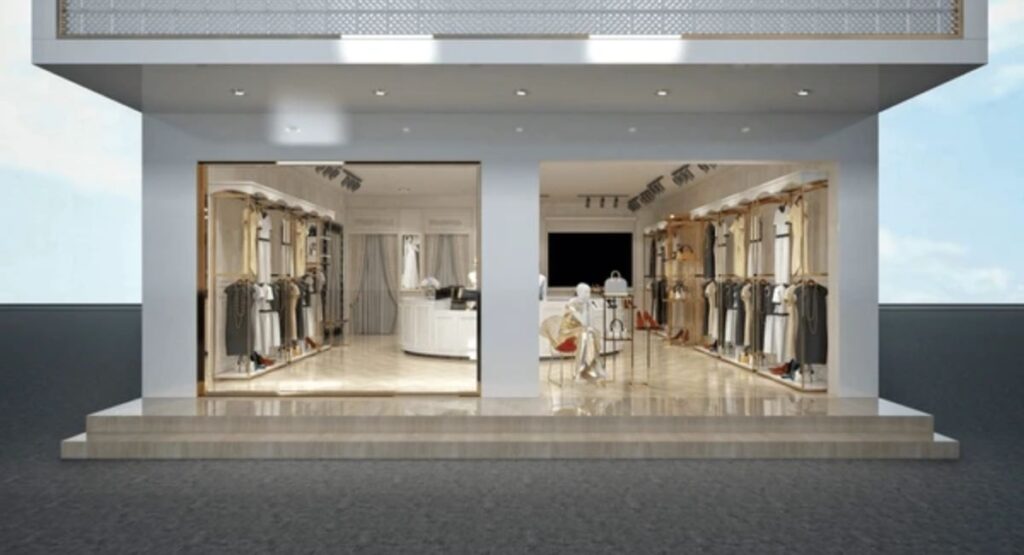
The exterior should reflect the type of products or services offered by the shop. For example, a modern clothing boutique may use sleek glass windows and minimalist design, while a bakery might feature warm colors and decorative signage that feels welcoming.
Consistency is essential when developing a visual identity. The shop’s logo, signage, and color scheme should align with marketing materials, packaging, and interior design. This unified appearance strengthens brand recognition and builds customer trust.
A well-planned visual identity makes the shop easily recognizable and memorable.
Choosing the Right Signage
Signage is one of the most important elements of a shop exterior. It tells customers the name of the business and helps them understand what the store offers.
Effective signage should be clear, readable, and visible from a distance. The font size, color contrast, and lighting should allow people to easily read the sign both during the day and at night.
There are several types of signage that can enhance a shop exterior:
- Illuminated signs for nighttime visibility
- Hanging signs that extend outward from the building
- Window lettering that displays promotions or brand messages
- Digital displays for dynamic advertising
Good signage does more than provide information; it also acts as a marketing tool that attracts attention and communicates professionalism.
Using Attractive Storefront Windows
Storefront windows are another important component of shop exterior design. Large windows allow businesses to showcase products and create visually appealing displays that draw customers inside.
Creative window displays can highlight seasonal promotions, new arrivals, or popular items. Changing displays regularly keeps the storefront fresh and interesting for passersby.
Good lighting inside the window display area is also important. Proper lighting ensures that products remain visible and appealing even in the evening.
Clear, clean glass windows also contribute to the overall professional appearance of the shop.
Selecting Durable Exterior Materials
The materials used in a shop exterior affect both aesthetics and durability. Retail spaces experience high visibility and exposure to weather conditions, so materials should be both attractive and long-lasting.
Common materials used in shop exteriors include:
- Glass panels for modern storefronts
- Aluminum frames for durability and sleek design
- Brick or stone cladding for a classic appearance
- Decorative metal panels for contemporary styles
- Painted stucco or plaster for versatile finishes
Choosing high-quality materials ensures the shop exterior remains attractive for many years with minimal maintenance.
Adding Lighting for Visibility and Style
Exterior lighting is essential for both safety and visual impact. Proper lighting ensures that the shop remains visible during evening hours and creates a welcoming atmosphere.
Different lighting techniques can enhance the appearance of the storefront. For example, spotlights can highlight signage, while soft lighting can illuminate architectural features.
Accent lighting can also emphasize window displays, making them more noticeable to people walking or driving by.
Warm lighting tones often create a more inviting and comfortable environment, encouraging customers to explore the shop.
Designing a Welcoming Entrance
The entrance of a shop acts as the gateway between the street and the store interior. A well-designed entrance should feel open, accessible, and inviting.
Wide doors, glass entrances, and clear pathways make it easy for customers to enter the shop. Decorative elements such as planters, welcome signs, or small seating areas can enhance the entrance area.
Accessibility is also important. Entrances should be designed so that people of all ages and abilities can easily access the shop.
A welcoming entrance increases the chances that customers will step inside and explore the store.
Maintaining Cleanliness and Organization
Even the most beautiful shop exterior can lose its impact if it is not well maintained. Cleanliness and organization play a significant role in maintaining an attractive storefront.
Business owners should regularly clean windows, remove dust from signage, and maintain exterior lighting. Fresh paint and well-maintained surfaces also help the shop appear professional and inviting.
Small details such as tidy sidewalks, organized displays, and clean glass panels contribute greatly to the overall impression customers receive.
Consistent maintenance ensures that the shop exterior continues to attract attention and build trust.
Key Elements of an Effective Shop Exterior
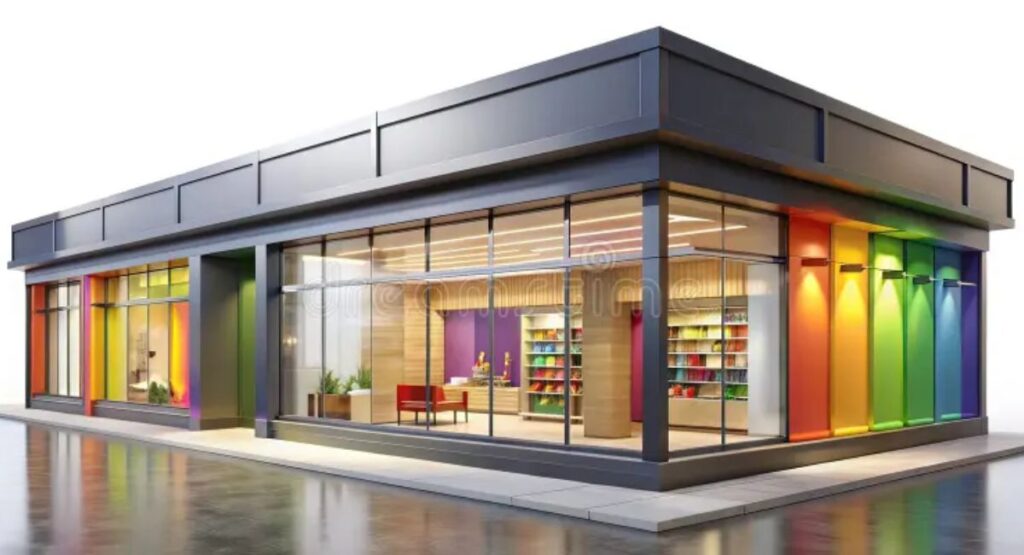
The table below highlights essential elements that contribute to a successful shop exterior design.
| Exterior Element | Purpose |
|---|---|
| Signage | Communicates brand identity and store name |
| Storefront Windows | Displays products and attracts attention |
| Lighting | Improves visibility and enhances design |
| Entrance Design | Creates a welcoming customer experience |
| Exterior Materials | Provides durability and visual appeal |
Combining these elements effectively helps create a storefront that not only looks attractive but also supports business growth.
Adapting the Design to the Local Environment
Every shop operates within a specific environment, whether it is a busy city street, a shopping mall, or a neighborhood commercial area. Exterior design should complement the surrounding architecture while still standing out.
In urban areas, bold signage and modern materials may help capture attention among many competing businesses. In quieter neighborhoods, softer colors and traditional design elements may blend better with the surroundings.
Considering factors such as weather conditions, local regulations, and building codes is also important when designing a shop exterior.
A design that respects its environment while expressing a unique brand identity is more likely to succeed.
Conclusion
Designing a shop exterior that works requires a balance of creativity, functionality, and strategic planning. From strong visual identity and effective signage to durable materials and welcoming entrances, every design element plays an important role in attracting customers.
A well-designed storefront not only improves curb appeal but also strengthens brand recognition and encourages people to explore the business. By focusing on clear design principles, thoughtful details, and regular maintenance, shop owners can create an exterior that supports long-term success.
Ultimately, a shop exterior is more than just a building facade. It is a powerful marketing tool that communicates the brand’s identity, invites customers inside, and sets the stage for a positive shopping experience.