
Introduction: The Growing Strength of Australia’s Industrial and Construction Sectors
Australia’s industrial and construction sectors play a vital role in supporting the country’s economic growth, infrastructure expansion, and urban development. From large-scale commercial buildings and highways to mining facilities and residential communities, these industries are responsible for shaping the nation’s modern landscape.
In recent years, the demand for specialist solutions has increased significantly within the construction and industrial sectors. Large projects now require advanced technologies, skilled professionals, innovative materials, and efficient project management strategies. As construction projects become more complex, companies are relying on specialized services to ensure quality, safety, and efficiency.
Specialist solutions include a wide range of services such as engineering expertise, advanced machinery, construction technology, environmental planning, and high-level project management. These solutions allow companies to complete projects faster, reduce costs, improve safety standards, and meet strict regulatory requirements.
Understanding the role of specialist solutions helps highlight how Australia’s industrial and construction sectors continue to move forward and remain competitive in a rapidly evolving global economy.
The Importance of Specialist Expertise in Modern Construction
Modern construction projects require far more than traditional building techniques. Today’s developments involve complex structural designs, strict safety standards, sustainability requirements, and advanced engineering solutions.
Specialist professionals bring expertise in areas such as structural engineering, geotechnical analysis, construction planning, and project supervision. Their knowledge ensures that projects are designed and executed according to industry regulations and safety standards.
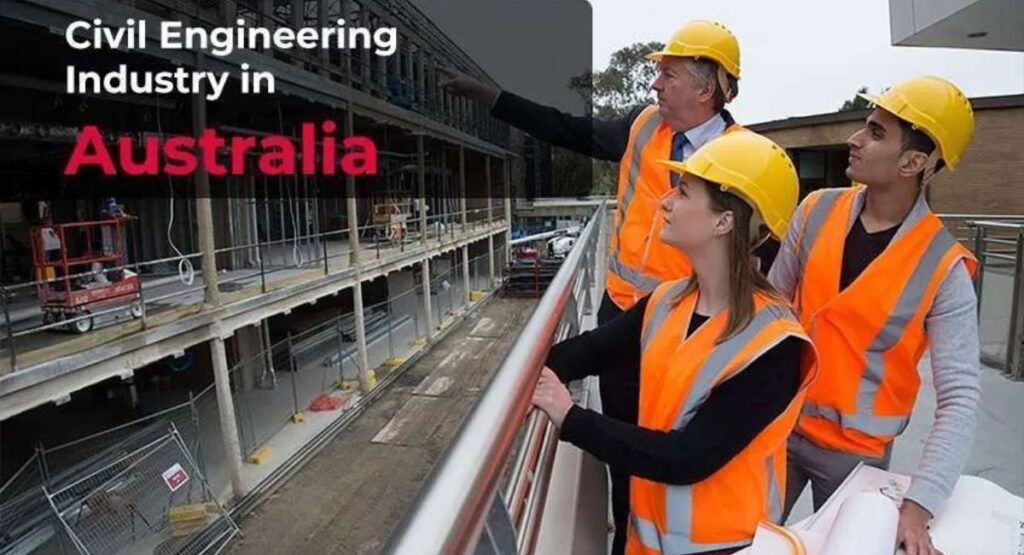
For example, engineers analyze soil conditions before construction begins to determine the most suitable foundation system. Environmental specialists evaluate potential environmental impacts to ensure compliance with government regulations. Safety experts also implement procedures to reduce workplace accidents and ensure worker protection.
By integrating specialist knowledge into every stage of a project, construction companies can reduce risks while improving overall project quality.
Advanced Technology Transforming Construction Projects
Technology is one of the most powerful drivers behind the growth of Australia’s construction industry. Specialist solutions increasingly involve advanced digital tools that help companies plan, design, and manage projects more efficiently.
One of the most important innovations is Building Information Modeling (BIM). This technology allows architects, engineers, and contractors to create detailed 3D models of buildings before construction begins. BIM improves collaboration between project teams and helps identify potential design issues early.
Drones are also widely used on construction sites to conduct aerial surveys and monitor project progress. They provide accurate data and high-resolution images that help managers track construction timelines and detect potential problems.
In addition, construction management software allows companies to coordinate schedules, budgets, and resources more effectively. These digital solutions help ensure that projects stay on track while minimizing delays and unexpected costs.
Specialized Equipment Enhancing Efficiency
Large industrial and construction projects require heavy machinery and specialized equipment to perform tasks that would otherwise be impossible or extremely time-consuming.
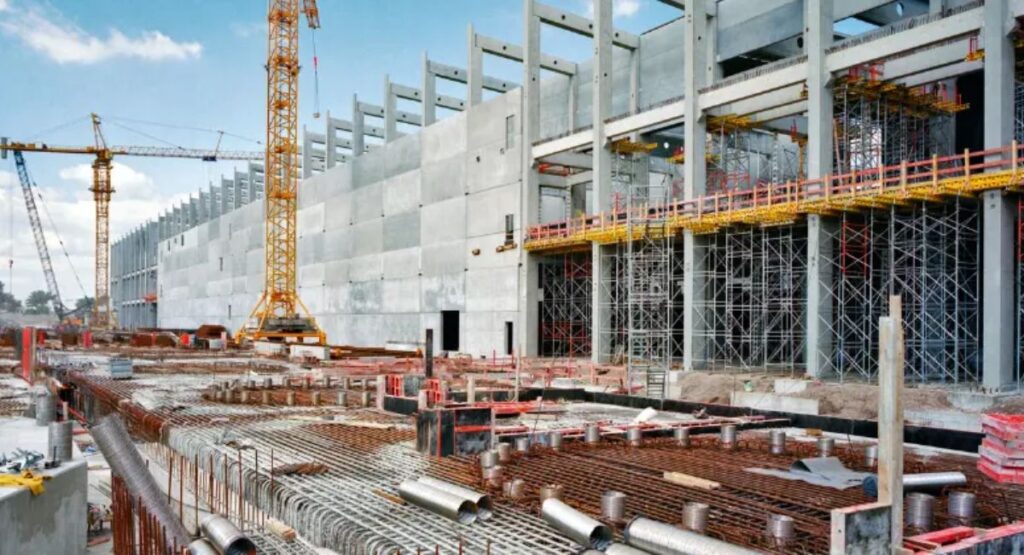
Excavators, cranes, drilling machines, and earthmoving equipment are essential tools used in major infrastructure projects. These machines allow construction teams to complete excavation, lifting, and transportation tasks with precision and speed.
Specialist machinery is particularly important in mining operations, large infrastructure developments, and high-rise construction projects. Equipment designed for specific environments—such as underground construction or remote mining areas ensures that work can continue safely even under challenging conditions.
The availability of specialized equipment significantly increases productivity while reducing manual labor and improving overall project efficiency.
Engineering Innovation Supporting Infrastructure Development
Engineering solutions are central to Australia’s industrial and construction progress. Complex infrastructure projects such as highways, bridges, rail systems, and tunnels require advanced engineering expertise.
Structural engineers design buildings that can withstand environmental factors such as strong winds, earthquakes, and heavy loads. Civil engineers plan transportation systems and water management infrastructure that support growing cities.
Innovative engineering solutions also help address challenges related to land conditions, climate variations, and environmental sustainability. By applying modern engineering techniques, construction companies can develop infrastructure that remains durable and reliable for decades.
Engineering specialists play a key role in ensuring that projects meet performance standards while maintaining long-term safety and stability.
Sustainable Construction Practices and Environmental Responsibility
Sustainability has become a major priority in Australia’s construction industry. Governments, developers, and communities increasingly expect construction projects to minimize environmental impact and promote energy efficiency.
Specialist environmental consultants help companies adopt sustainable building practices. These practices may include reducing construction waste, using eco-friendly materials, and designing energy-efficient buildings.
Green construction techniques often involve improved insulation systems, solar energy integration, and water conservation technologies. These solutions help reduce a building’s environmental footprint while lowering long-term operating costs.
Environmental specialists also ensure that construction projects comply with national environmental regulations and protect surrounding ecosystems.
Workplace Safety and Risk Management Solutions
Construction sites can be hazardous environments if proper safety measures are not implemented. Specialist safety solutions are therefore essential to protect workers and ensure compliance with occupational safety regulations.
Safety experts develop risk management strategies, conduct safety training programs, and implement site monitoring systems. These measures help identify potential hazards and prevent accidents before they occur.
Personal protective equipment, safety barriers, and monitoring technologies are commonly used to improve workplace safety. Advanced safety management systems also allow project managers to track safety performance and address issues quickly.
By prioritizing safety solutions, construction companies create safer working environments and reduce project disruptions caused by accidents.
Project Management and Coordination Expertise
Large construction projects involve multiple teams, suppliers, and contractors working together simultaneously. Effective coordination is essential to ensure that all aspects of the project progress smoothly.
Specialist project managers oversee planning, budgeting, scheduling, and communication among different stakeholders. Their role is to ensure that construction activities remain organized and aligned with project goals.
Project management professionals also monitor resource allocation and identify potential delays or logistical challenges. By addressing issues early, they help keep projects within budget and on schedule.
Strong project management solutions improve efficiency and reduce the risk of costly construction delays.
Key Specialist Solutions Supporting the Industry
| Specialist Solution | Role in Construction and Industry | Key Benefit |
|---|---|---|
| Engineering expertise | Structural design and infrastructure planning | Ensures structural safety |
| Construction technology | Digital modeling and project management tools | Improves planning accuracy |
| Specialized machinery | Heavy equipment for excavation and lifting | Increases efficiency |
| Environmental consulting | Sustainable building practices | Reduces environmental impact |
| Safety management | Risk assessment and safety protocols | Protects workers |
The Role of Skilled Workforce and Training
Even with advanced technology and equipment, skilled workers remain essential for successful construction projects. Australia’s industrial sector relies on trained professionals such as engineers, machine operators, electricians, and construction managers.
Training programs and technical education help workers develop the skills needed to operate complex machinery and follow modern construction practices. Continuous training also ensures that workers stay updated on safety regulations and technological advancements.
A well-trained workforce increases productivity, improves construction quality, and supports the successful completion of major projects.
Future Growth of Australia’s Industrial and Construction Sector
Australia continues to invest heavily in infrastructure, transportation networks, renewable energy projects, and urban development. These investments are expected to drive continued growth in the industrial and construction sectors.
As projects become more advanced, the demand for specialist solutions will continue to rise. Companies that adopt innovative technologies, sustainable practices, and expert services will remain competitive in the evolving construction landscape.
Future developments may also include increased automation, smart construction technologies, and digital monitoring systems that further enhance efficiency and safety.
Conclusion
Specialist solutions play a crucial role in driving Australia’s industrial and construction sectors forward. From engineering innovation and advanced technology to environmental planning and safety management, these solutions enable companies to handle complex projects with greater efficiency and precision.
By combining skilled expertise with modern tools and sustainable practices, the construction industry continues to deliver infrastructure that supports economic growth and community development. As Australia expands its cities and industrial capabilities, specialist solutions will remain essential for ensuring successful and high-quality construction projects.
The continued integration of technology, skilled professionals, and innovative strategies will help the industry overcome challenges and build a stronger future for Australia’s industrial and construction sectors.