
Choosing the right heating system for your home is one of the most important decisions you can make for comfort, energy efficiency, and long-term savings. Among the most common options available today are heat pumps and furnaces. While both systems are designed to keep your home warm during colder months, they operate in fundamentally different ways and offer unique advantages depending on your climate, budget, and lifestyle.
Understanding the differences between these two systems will help you make a smart and informed decision that aligns with your home’s needs. In this article, we’ll explore how each system works, compare their performance, and guide you toward choosing the best option for your home.
How Heat Pumps Work
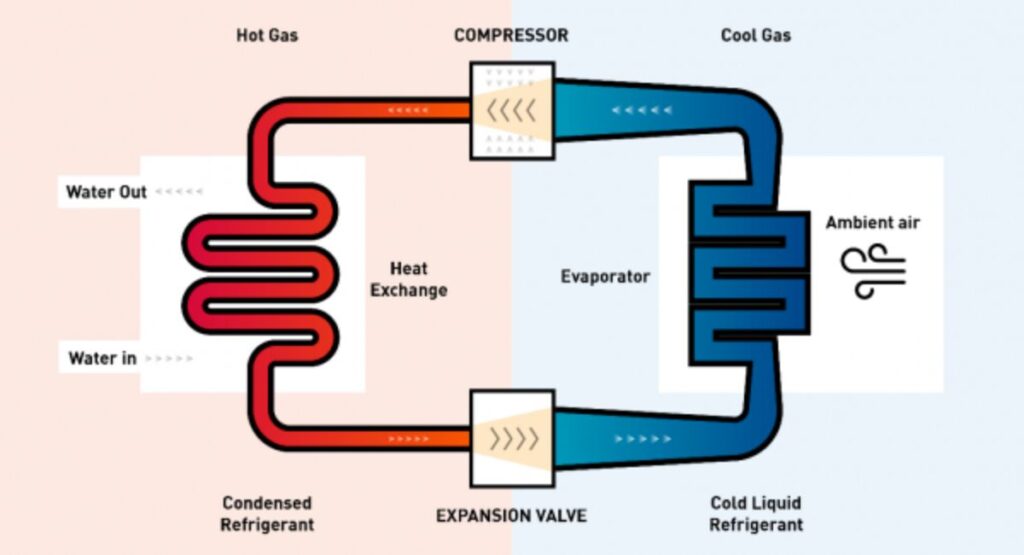
A heat pump is an energy-efficient system that transfers heat rather than generating it. During the winter, it extracts heat from the outside air (even in cold temperatures) and moves it inside your home. In the summer, the process reverses, and it acts like an air conditioner by removing heat from indoors.
This dual functionality makes heat pumps a versatile choice for year-round comfort. Instead of burning fuel, heat pumps rely on electricity to move heat, which significantly reduces energy consumption.
How Furnaces Work
A furnace, on the other hand, generates heat by burning fuel such as natural gas, oil, or propane. Once the fuel is burned, the heat is distributed throughout your home using a duct system and blower.
Furnaces are known for their powerful heating capabilities, especially in extremely cold climates. They can quickly raise indoor temperatures, making them a popular choice in regions with harsh winters.
Key Differences Between Heat Pumps and Furnaces
To better understand which system is right for you, it’s helpful to compare them side by side based on important factors.
| Feature | Heat Pump | Furnace |
|---|---|---|
| Energy Source | Electricity | Gas, oil, or propane |
| Functionality | Heating & cooling | Heating only |
| Efficiency | Highly efficient in mild climates | Efficient in cold climates |
| Installation Cost | Higher upfront cost | Lower upfront cost |
| Operating Cost | Lower in moderate climates | Higher due to fuel costs |
| Lifespan | 10–15 years | 15–20 years |
| Environmental Impact | Eco-friendly | Higher carbon emissions |
Energy Efficiency and Cost Savings
One of the biggest advantages of heat pumps is their energy efficiency. Because they transfer heat instead of generating it, they can produce up to three times more energy than they consume. This makes them an excellent option for homeowners looking to reduce their energy bills.
Furnaces, while efficient in their own way, rely on fuel combustion. Modern high-efficiency furnaces can achieve efficiency ratings of up to 98%, but they still consume more energy compared to heat pumps in moderate climates.
However, in extremely cold regions, heat pumps may struggle to extract enough heat from the air, causing them to work harder and lose efficiency. In such cases, furnaces often provide more consistent and cost-effective heating.
Climate Considerations
Climate plays a crucial role in deciding between a heat pump and a furnace.
Heat pumps are ideal for areas with mild to moderate winters. They perform best when temperatures rarely drop below freezing. In these conditions, they can efficiently maintain indoor comfort while keeping energy costs low.
Furnaces are better suited for colder climates where temperatures frequently fall below freezing. Their ability to generate heat quickly and reliably makes them more effective in extreme weather conditions.
For regions with mixed climates, some homeowners opt for a hybrid system that combines both technologies. This allows the heat pump to handle moderate temperatures while the furnace takes over during extreme cold.
Installation and Upfront Costs
When it comes to installation, furnaces typically have a lower upfront cost compared to heat pumps. This makes them an attractive option for homeowners on a tight budget.
Heat pumps, while more expensive initially, can offset this cost through long-term energy savings. Additionally, since they provide both heating and cooling, homeowners may not need to invest in a separate air conditioning system.
Installation complexity also varies. Heat pumps require proper placement and may need additional components, especially in colder regions where a backup heating system is necessary.
Maintenance Requirements
Both systems require regular maintenance to operate efficiently and extend their lifespan.
Heat pumps generally need more frequent maintenance because they are used year-round for both heating and cooling. This includes cleaning filters, checking refrigerant levels, and ensuring proper airflow.
Furnaces require seasonal maintenance, typically before winter begins. This involves inspecting burners, heat exchangers, and ventilation systems to ensure safe operation.
While maintenance costs are comparable, the year-round use of heat pumps may result in slightly higher servicing needs.
Lifespan and Durability
Furnaces usually have a longer lifespan than heat pumps, often lasting between 15 to 20 years with proper care. Their limited use (primarily during winter) contributes to their durability.
Heat pumps, on the other hand, typically last 10 to 15 years. Since they operate throughout the year, they experience more wear and tear over time.
However, advancements in technology are continuously improving the durability and efficiency of modern heat pumps, making them increasingly competitive.
Environmental Impact
If sustainability is a priority, heat pumps are the clear winner. They produce fewer greenhouse gas emissions because they do not rely on fuel combustion.
Furnaces, especially those powered by fossil fuels, contribute to carbon emissions and have a larger environmental footprint. While high-efficiency models reduce this impact, they still cannot match the eco-friendliness of heat pumps.
For homeowners looking to reduce their carbon footprint, heat pumps offer a cleaner and greener solution.
Comfort and Performance
Comfort is another important factor to consider. Heat pumps provide consistent and even heating, maintaining a steady indoor temperature. However, the air they produce is generally less hot than that of a furnace.
Furnaces deliver stronger and hotter airflow, which can quickly warm up a space. This makes them particularly effective during extremely cold days.
The choice between the two often comes down to personal preference whether you value consistent warmth or rapid heating.
Noise Levels
Heat pumps are generally quieter during operation, especially indoors. However, the outdoor unit may produce some noise.
Furnaces are also relatively quiet but can produce noticeable sound when the blower is running or when the system cycles on and off.
Overall, both systems are designed to operate with minimal noise, but heat pumps often have a slight edge in this area.
Which System Is Better for Your Home?
The answer depends on several factors, including your climate, budget, and energy goals.
If you live in a region with mild winters and want an energy-efficient, eco-friendly solution that also provides cooling, a heat pump is likely the better choice.
If you experience harsh winters and need powerful, reliable heating, a furnace may be more suitable.
For homeowners who want the best of both worlds, a hybrid system can offer optimal performance by combining the strengths of each system.
Final Thoughts
Choosing between a heat pump and a furnace is not a one-size-fits-all decision. Each system has its own strengths and limitations, and the right choice depends on your specific needs and environment.
Heat pumps stand out for their efficiency, versatility, and environmental benefits, making them ideal for moderate climates. Furnaces, with their strong heating capabilities and reliability in extreme cold, remain a dependable option for colder regions.
By carefully evaluating your home’s requirements, energy goals, and budget, you can select a heating system that provides comfort, efficiency, and long-term value.