Table Of Contents
Introduction to Cardamom Farming
What is Cardamom?
Ideal Climate and Soil for Cardamom
Major Types of Cardamom
Step-by-Step Cardamom Farming Process
Land Preparation
Planting Methods
Irrigation Requirements
Fertilizer and Nutrient Management
Pest and Disease Control
Harvesting and Post-Harvest Handling
Yield and Profit Potential
Challenges in Cardamom Farming
Future Scope of Cardamom Farming
Conclusion
FAQs
Introduction to Cardamom Farming
Cardamom farming is one of the most profitable spice cultivation businesses in the agricultural sector. Known as the “Queen of Spices,” cardamom is widely used in food, beverages, medicine, and perfumes. Its strong aroma and unique flavor make it highly valuable in both local and international markets.
Cardamom farming is mainly practiced in tropical and subtropical regions where humidity, rainfall, and shade conditions are suitable. Countries like India, Sri Lanka, Guatemala, and Nepal are major producers, but small-scale farmers in many regions are now adopting cardamom cultivation due to its high market demand and profit potential.
What is cardamom?
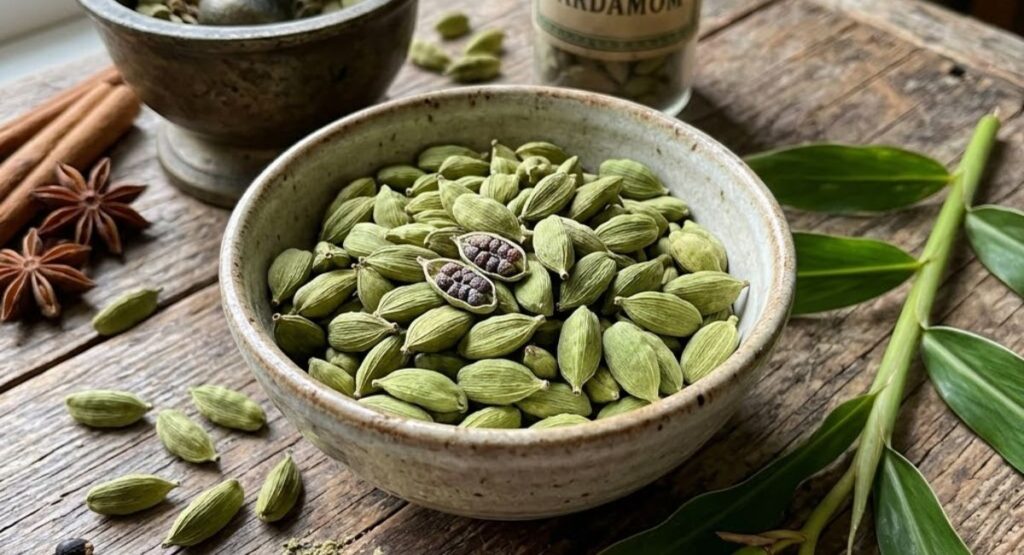
Cardamom is a spice obtained from the seeds of plants belonging to the Elettaria and Amomum species. It grows in pods and is known for its intense aroma and medicinal properties.
It is widely used in:
- Cooking and desserts
- Tea and beverages
- Traditional medicine
- Herbal remedies
Because of its high value, cardamom is considered a cash crop that can generate strong income for farmers when cultivated properly.
Ideal Climate and Soil for Cardamom
Cardamom grows best in specific environmental conditions:
Climate Requirements
- Temperature: 10°C to 35°C
- Humid tropical climate
- High rainfall (1500–4000 mm annually)
- Partial shade is essential
Soil Requirements
- Well-drained loamy soil
- Rich in organic matter
- Slightly acidic pH (5.5–6.5)
- Avoid waterlogged soil
Proper climate and soil conditions are critical because cardamom plants are sensitive to drought and extreme heat.
Major Types of Cardamom
There are mainly two types of cardamom grown worldwide:
Green Cardamom (Elettaria cardamomum)
This is the most common type used in cooking and sweets. It has a strong aroma and is highly valuable in international markets.
Black Cardamom (Amomum subulatum)
It has a smoky flavor and is mostly used in savory dishes. It is larger in size and grows in cooler regions.
Step-by-Step Cardamom Farming Process
Successful cardamom farming requires proper planning and execution. Below are the key steps:
Land Selection
Choose shaded areas with good drainage and high humidity.
Soil Preparation
Clear weeds and loosen soil. Add organic manure to improve fertility.
Propagation
Cardamom is usually propagated through:
- Seeds
- Rhizomes (more commonly used for faster growth)
Planting Time
The best planting season is during the monsoon when moisture levels are high.
Land Preparation
Land preparation is a crucial step in cardamom farming. Farmers should:
- Remove weeds and rocks
- Dig pits (usually 60 cm x 60 cm x 60 cm)
- Fill pits with compost and topsoil
- Maintain spacing of about 1.5 to 2 meters between plants
Proper land preparation ensures healthy root development and better yield.
Planting Methods
Cardamom is planted using rhizomes or seedlings. The steps include:
- Select healthy planting material
- Place rhizomes in prepared pits
- Cover with soil and organic manure
- Provide immediate irrigation after planting
Shade trees are often planted alongside cardamom to protect crops from direct sunlight.
Irrigation Requirements
Water management is very important in cardamom farming.
- Regular watering during dry seasons
- Avoid waterlogging
- Drip irrigation is highly effective
- Maintain consistent soil moisture
Too much or too little water can reduce yield significantly.
Fertilizer and Nutrient Management
Cardamom plants require balanced nutrients for healthy growth.
Organic Fertilizers
- Farmyard manure
- Compost
- Vermicompost
Chemical Fertilizers
- Nitrogen (N) for growth
- Phosphorus (P) for root development
- Potassium (K) for flowering and yield
Fertilizers should be applied in small doses at regular intervals.
Pest and Disease Control
Cardamom crops are vulnerable to several pests and diseases.
Common Pests
- Shoot borers
- Aphids
- Thrips
Common Diseases
- Rhizome rot
- Leaf blight
- Mosaic virus
Control Methods
- Use organic pesticides
- Maintain field hygiene
- Remove infected plants immediately
- Use disease-free planting material
Harvesting and Post-Harvest Handling
Cardamom plants start producing pods after 2–3 years of planting.
Harvesting Process
- Pods are picked when they are fully mature but still green
- Harvesting is usually done manually
- Multiple harvests occur in a season
Post-Harvest Processing
- Washing and cleaning pods
- Drying in sunlight or dryers
- Grading based on size and quality
- Proper storage in airtight containers
Good post-harvest handling increases market value significantly.
Yield and Profit Potential
Cardamom farming is highly profitable when managed properly.
- Average yield: 200–500 kg per hectare (varies by variety and care)
- High market demand increases price stability
- Export value is very strong
Farmers with good management practices can earn substantial income from small land areas.
Challenges in Cardamom Farming
Despite its profitability, cardamom farming has challenges:
- Climate sensitivity
- Pest and disease attacks
- High initial investment
- Market price fluctuations
- Labor-intensive cultivation
Proper planning and modern farming techniques can reduce these risk
Future Scope of Cardamom Farming
The future of cardamom farming is very promising due to:
- Increasing global demand
- Growth in herbal and organic products
- Export opportunities
- Rising use in food and pharmaceutical industries
With proper training and technology, farmers can achieve long-term success in this sector.
Conclusion
Cardamom farming is a highly rewarding agricultural business when done with proper care and knowledge. From selecting the right soil to managing irrigation and controlling pests, every step plays an important role in achieving high yield.
Although it requires patience and investment, the long-term profit potential makes it one of the best spice farming options. With increasing global demand, cardamom farming continues to be a strong opportunity for farmers seeking sustainable income.
FAQs
Q: How long does cardamom take to grow?
A: Cardamom usually takes 2 to 3 years to start producing pods.
Q: Which climate is best for cardamom farming?
A: A humid tropical climate with moderate shade and high rainfall is ideal.
Q: Is cardamom farming profitable?
A: Yes, it is considered a high-value cash crop with strong profit potential.
Q: Can cardamom grow in hot climates?
A: It does not grow well in extreme heat; it needs cool, humid conditions with shade.
Q: What is the lifespan of a cardamom plant?
A: A healthy plant can produce yield for 10 to 15 years.