
Understanding the Truth About Mould Prevention
Mould is one of the most stubborn and frustrating problems in homes and commercial spaces. Whether it appears in bathrooms, kitchens, or damp corners, it’s not just unsightly it can also affect health and structural integrity. With the rise of modern interior solutions, hygienic wall sheets are often marketed as a long-term fix. But the real question remains: can they truly prevent mould for good?
The short answer is they can significantly reduce and control mould but they are not a magic, permanent cure on their own. To understand why, we need to explore how they work, where they succeed, and where their limits lie.
What Are Hygienic Wall Sheets and How Do They Work?
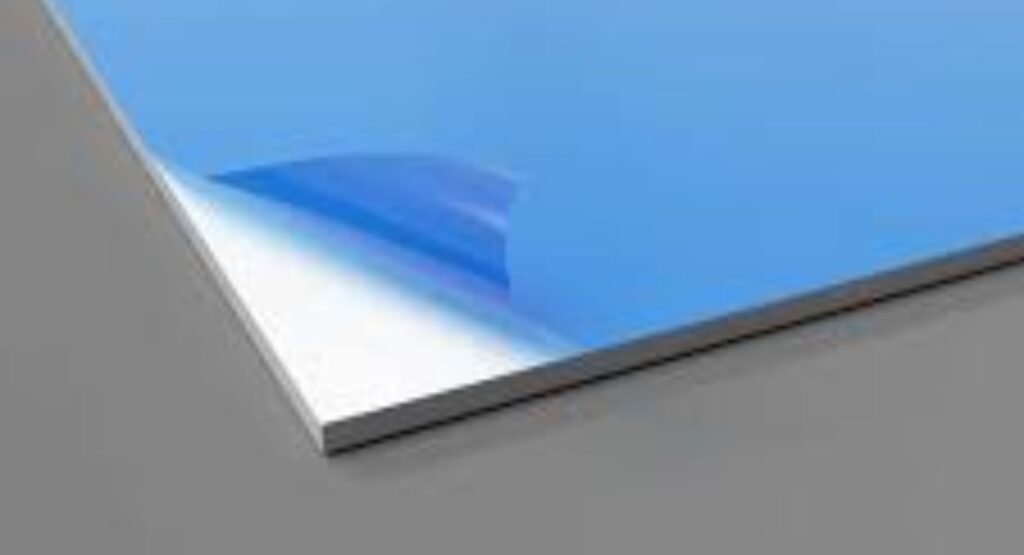
Hygienic wall sheets, also known as wall cladding panels, are specially designed coverings made from materials like PVC or other polymers. Unlike traditional walls, these sheets are engineered to create a sealed, smooth, and non-porous surface.
Their effectiveness comes from a few key features:
- They do not absorb moisture
- They have minimal or no joints
- They are easy to clean and disinfect
- They resist bacterial and fungal growth
Traditional materials like plaster, paint, and tiles often contain microscopic pores or grout lines that trap moisture. These areas become breeding grounds for mould and mildew over time. Hygienic wall sheets eliminate these vulnerabilities by creating a continuous protective layer.
Why Mould Forms in the First Place
Before deciding whether wall sheets can stop mould permanently, it’s important to understand what causes mould:
- Excess moisture or humidity
- Poor ventilation
- Water leaks or seepage
- Condensation buildup
- Organic materials that feed fungal growth
Mould doesn’t appear randomly it grows when these conditions are present. Even the most advanced materials cannot completely override environmental factors.
How Hygienic Wall Sheets Help Prevent Mould
1. Complete Moisture Resistance
One of the biggest advantages of hygienic wall sheets is their waterproof nature. Moisture cannot penetrate their surface, which means the underlying wall remains dry. This directly removes one of the key triggers of mould growth.
2. Non-Porous Surface Blocks Growth
Unlike painted walls or tiles, hygienic sheets are non-absorbent. Liquids stay on the surface and can be wiped away easily instead of soaking in. This reduces the chances of mould spores settling and multiplying.
3. No Grout, No Hidden Mould
Tiles may look clean, but grout lines often trap dirt and moisture. These tiny gaps are ideal for mould. Hygienic wall sheets eliminate grout entirely, removing one of the biggest hidden mould risks.
4. Seamless Installation Reduces Weak Points
When installed correctly, these sheets form a nearly seamless barrier. Fewer joints mean fewer entry points for water, bacteria, and fungi.
5. Easy Cleaning and Maintenance
Because the surface is smooth and durable, regular cleaning is quick and effective. This prevents the buildup of dirt and organic matter that mould feeds on.
Do Hygienic Wall Sheets Eliminate Mould Completely?
Here’s the honest reality: No, they do not guarantee permanent mould prevention on their own.
They are highly effective but only under the right conditions.
They Work Best When:
- The wall underneath is already dry and mould-free
- Installation is done correctly with proper sealing
- The room has good ventilation
- There are no ongoing leaks or damp issues
They Can Fail When:
- Moisture is trapped behind the panels
- Existing mould is covered instead of treated
- Installation gaps allow water ingress
- High humidity is not controlled
In fact, if underlying problems are ignored, mould can continue growing behind the sheets hidden but still damaging.
The Role of Proper Installation
Even the highest-quality hygienic wall sheets can fail if installed poorly. Gaps, weak adhesive bonding, or unsealed joints can allow moisture to sneak in and create hidden mould pockets.
Proper installation includes:
- Preparing a clean, dry surface
- Removing any existing mould
- Using correct adhesives and sealants
- Ensuring tight, seamless joints
Experts emphasize that installation quality is just as important as the material itself.
Comparing Hygienic Wall Sheets to Traditional Materials
When compared to traditional options, hygienic wall sheets clearly outperform in mould resistance:
- Painted walls absorb moisture and peel over time
- Tiles trap moisture in grout lines
- Plasterboard can deteriorate and harbour mould
Hygienic sheets, on the other hand, provide a continuous moisture barrier, making them a far superior choice for damp environments.
Where Hygienic Wall Sheets Are Most Effective
These panels are especially useful in high-moisture and hygiene-sensitive areas:
- Bathrooms and shower areas
- Kitchens and food preparation spaces
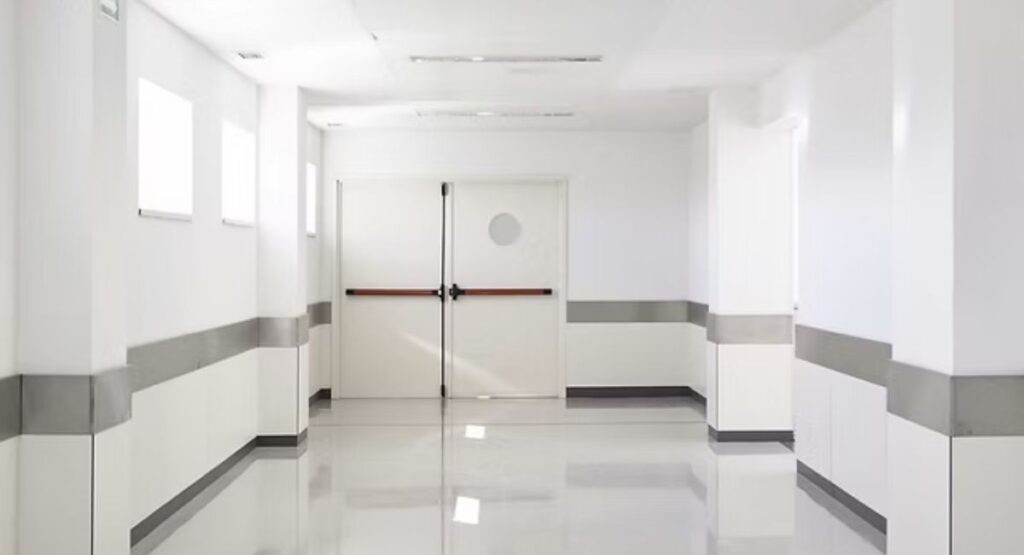
- Hospitals and clinics
- Salons and spas
- Commercial washrooms
In such environments, they not only reduce mould risk but also improve overall cleanliness and durability.
Additional Steps Needed for Long-Term Mould Prevention
If your goal is to stop mould “for good,” wall sheets should be part of a broader strategy:
Control Humidity
Use exhaust fans, dehumidifiers, or proper ventilation to keep moisture levels low.
Fix Leaks Immediately
Even small leaks can lead to hidden mould growth behind walls.
Ensure Air Circulation
Good airflow prevents condensation buildup.
Regular Cleaning
Even mould-resistant surfaces need maintenance to stay effective.
Treat Existing Mould First
Never install panels over mould this only hides the problem.
Are Hygienic Wall Sheets Worth It?
Yes if used correctly, hygienic wall sheets are one of the most effective solutions available today for reducing mould risk and maintaining hygienic spaces.
They:
- Dramatically lower moisture-related issues
- Minimize maintenance effort
- Improve durability and lifespan of walls
- Provide a cleaner, more professional finish
However, they should be seen as a preventive system, not a standalone cure.
Final Verdict: Prevention, Not Perfection
Hygienic wall sheets can go a long way in preventing mould, but they are not a one-time, permanent fix. Think of them as a powerful shield one that works best when combined with proper ventilation, moisture control, and correct installation.
If you address the root causes of dampness and use hygienic wall sheets as part of your solution, you can effectively keep mould under control for the long term even if “for good” isn’t 100% guaranteed.