
Understanding the Challenges of Small Bathroom Spaces
Small bathrooms often present a unique set of challenges that require creativity, planning, and smart decision-making. Limited square footage can make it difficult to incorporate all essential fixtures while still maintaining a comfortable and visually appealing environment. However, with the right renovation strategies, even the smallest bathroom can feel spacious, functional, and stylish.
The key to maximizing space lies in thoughtful design choices that focus on efficiency without sacrificing aesthetics. From clever storage solutions to strategic layout planning, every element should serve a purpose. A well-renovated small bathroom not only improves daily convenience but also adds value to your home.
Planning Your Layout for Maximum Efficiency
Before starting any renovation, it is essential to carefully plan the layout. In a small bathroom, even minor changes in positioning can make a big difference. Consider the placement of the sink, toilet, and shower to ensure smooth movement and accessibility.
Wall-mounted fixtures are a great option for saving space. By lifting elements off the floor, you create an illusion of openness and make cleaning easier. Additionally, opting for a corner sink or a compact vanity can free up valuable floor space.
Keeping the layout simple and uncluttered helps maintain a clean and open feel. Avoid overcrowding the room with unnecessary features and focus only on what is essential.
Choosing Space-Saving Fixtures and Fittings
Selecting the right fixtures is crucial in a small bathroom renovation. Compact and multi-functional designs can significantly improve usability without taking up extra space.
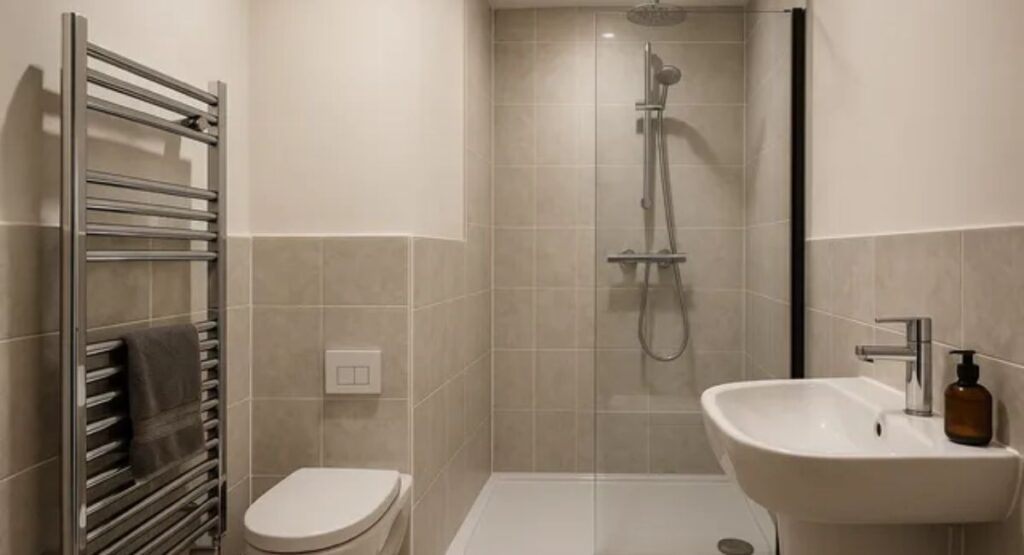
Consider installing a floating vanity instead of a traditional one. This not only saves space but also creates a modern and airy look. Similarly, a wall-mounted toilet can help free up floor area, making the room appear larger.
A walk-in shower with a glass enclosure is another excellent choice. Unlike bulky bathtubs or opaque shower curtains, glass panels allow light to flow freely, enhancing the sense of space.
Smart Storage Solutions for Clutter-Free Living
Storage is often a major concern in small bathrooms, but with smart solutions, you can keep everything organized without compromising space.
Vertical storage is your best friend. Utilize wall space by installing shelves, cabinets, or recessed niches. These options provide ample storage while keeping the floor clear. Over-the-toilet storage units are also highly effective for maximizing unused areas.
Built-in storage within the shower area can hold toiletries neatly without the need for additional racks. Drawer organizers and hidden compartments can further help in maintaining a tidy environment.
Keeping clutter to a minimum is essential. Regularly declutter and store only what you truly need to ensure the space remains functional and visually appealing.
Using Light Colors and Reflective Surfaces
Color plays a significant role in how spacious a bathroom feels. Light and neutral tones such as white, beige, and soft gray can make a small space appear larger and more open.
Reflective surfaces like mirrors and glossy tiles enhance natural and artificial light, creating a brighter environment. A large mirror above the sink can visually double the space, making the bathroom feel more expansive.
Glass elements, including shower enclosures and shelves, contribute to a clean and seamless look. Avoid dark or heavy colors that can make the room feel cramped and enclosed.
Maximizing Natural and Artificial Lighting
Lighting is another critical factor in small bathroom design. Proper illumination can dramatically improve the perception of space and enhance overall functionality.
If possible, maximize natural light by using larger windows or frosted glass panels for privacy. Natural light not only brightens the room but also creates a more inviting atmosphere.
For artificial lighting, use a combination of ambient, task, and accent lighting. LED lights are energy-efficient and provide bright, even illumination. Installing lights around mirrors can improve visibility while adding a stylish touch.
Avoid harsh shadows and dark corners by ensuring that light is evenly distributed throughout the space.
Incorporating Minimalist Design Principles
A minimalist approach works exceptionally well in small bathrooms. Keeping the design simple and uncluttered helps create a sense of order and openness.
Choose sleek and streamlined fixtures with clean lines. Avoid overly decorative elements that can overwhelm the space. A few carefully selected accessories can add character without causing visual clutter.
Stick to a cohesive color palette and limit the number of materials used. Consistency in design elements helps maintain a harmonious and spacious feel.
Opting for Sliding Doors and Compact Entryways
Traditional swing doors can take up valuable space in a small bathroom. Replacing them with sliding or pocket doors can free up room and improve accessibility.
Sliding doors are not only practical but also add a modern touch to the design. They eliminate the need for clearance space, allowing you to utilize every inch more effectively.
If replacing the door is not an option, consider adjusting its swing direction to minimize interference with other fixtures.
Utilizing Vertical Space Effectively
When floor space is limited, think vertically. Tall cabinets, shelving units, and wall-mounted storage solutions can help you make the most of available space.
Hooks and racks can be installed on walls or behind doors to hold towels and robes. This keeps items within reach while maintaining a clean and organized look.
Even small additions like magnetic strips for metal items or hanging baskets can make a big difference in functionality.
Selecting the Right Flooring and Tiles
Flooring and tiles can influence both the appearance and practicality of a small bathroom. Large tiles with minimal grout lines create a seamless look that makes the space feel bigger.
Light-colored tiles enhance brightness, while diagonal or patterned layouts can add visual interest without overwhelming the room. Non-slip materials are essential for safety, especially in wet areas.
Consider extending the same tiles from the floor to the walls to create continuity. This technique reduces visual breaks and makes the bathroom appear more spacious.
Adding Multi-Functional Features
In a small bathroom, every element should serve more than one purpose whenever possible. Multi-functional features can significantly enhance usability without adding clutter.
Mirrors with built-in storage, vanities with drawers, and shower niches are excellent examples of efficient design. Foldable or extendable fixtures can also provide flexibility when needed.
Heated towel racks can serve as both a storage solution and a comfort feature. Similarly, combining lighting with mirrors or cabinets can reduce the need for additional installations.
Enhancing Visual Space with Clever Design Tricks
Certain design tricks can create the illusion of a larger space. For example, using continuous flooring throughout the bathroom can make it feel more expansive.
Positioning mirrors strategically to reflect light and open areas can enhance depth. Transparent or open shelving units can prevent the space from feeling closed off.
Keeping sightlines clear is important. Avoid blocking views with bulky furniture or partitions. The more open the space appears, the larger it will feel.
Maintaining Proper Ventilation and Hygiene
Good ventilation is essential in any bathroom, but it is especially important in smaller spaces where moisture can build up quickly.
Installing an efficient exhaust fan helps prevent mold and mildew, keeping the environment fresh and healthy. Proper ventilation also protects fixtures and finishes from damage caused by humidity.
Choose materials that are resistant to moisture and easy to clean. This ensures long-term durability and reduces maintenance efforts.
Balancing Style and Functionality
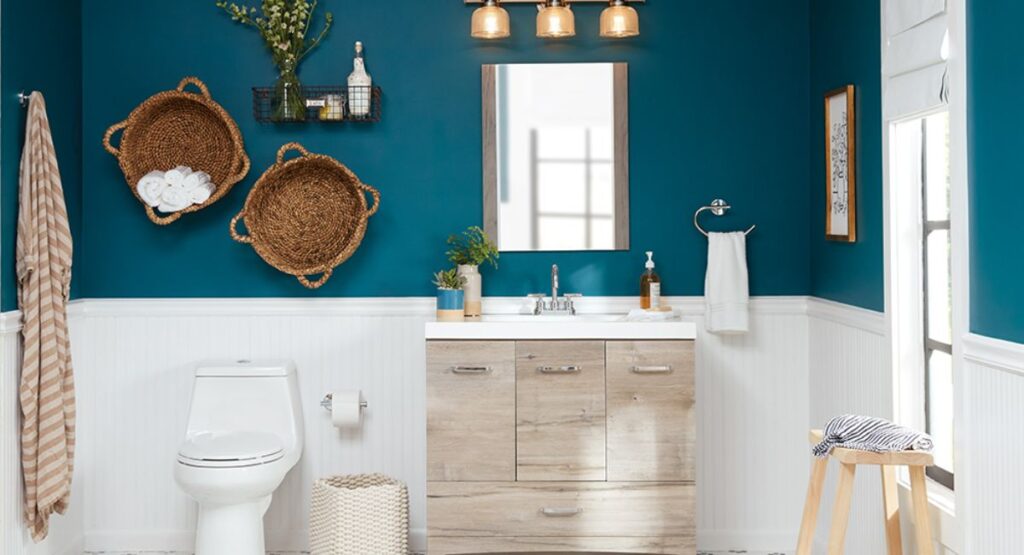
While maximizing space is the primary goal, it is equally important to create a bathroom that reflects your personal style. A well-designed small bathroom should be both functional and visually appealing.
Incorporate elements that add character, such as textured tiles, stylish fixtures, or subtle decorative accents. However, always prioritize practicality and avoid overcrowding the space.
Striking the right balance between style and functionality ensures that the bathroom remains comfortable and enjoyable to use.
Budget-Friendly Renovation Tips
Renovating a small bathroom does not have to be expensive. With careful planning and smart choices, you can achieve impressive results within a limited budget.
Focus on high-impact changes such as repainting walls, updating fixtures, or improving lighting. Reusing existing elements where possible can help reduce costs.
DIY projects like installing shelves or updating accessories can also save money while adding a personal touch. Comparing prices and sourcing materials wisely can further stretch your budget.
Common Mistakes to Avoid in Small Bathroom Renovations
Avoiding common mistakes can save time, money, and frustration. One of the biggest errors is overloading the space with too many features or decorations.
Ignoring proper lighting and ventilation can lead to long-term issues. Choosing oversized fixtures can also make the bathroom feel cramped and uncomfortable.
Poor planning and lack of storage solutions can result in clutter and inefficiency. Always think ahead and design with both present and future needs in mind.
Conclusion: Transforming Small Spaces into Functional Retreats
A small bathroom does not have to feel limiting. With the right renovation strategies, it can become a highly functional and stylish space that meets all your needs. By focusing on smart layouts, space-saving fixtures, effective storage, and thoughtful design choices, you can create a bathroom that feels larger than it actually is.
Attention to detail, combined with creativity and practicality, is the key to success. Whether you are making minor updates or undertaking a complete renovation, every improvement contributes to a more comfortable and efficient space. With careful planning and execution, even the smallest bathroom can be transformed into a beautiful and functional retreat.







1 thought on “Small Bathroom Renovation Tips to Maximise Space”