Introduction to Garden Landscape Design
Garden landscape design is an essential aspect of creating beautiful and functional outdoor spaces. It combines creativity, planning, and practical knowledge to transform ordinary yards into visually appealing environments. Whether for residential or commercial properties, a well-designed garden enhances the overall atmosphere and provides a peaceful retreat from daily life.
Modern outdoor design focuses not only on aesthetics but also on usability and sustainability. A thoughtfully planned garden can serve as a place for relaxation, entertainment, and even productivity. By integrating natural elements with structured layouts, landscape design brings harmony between built environments and nature.
Understanding the Basics of Outdoor Design
Before starting any garden project, it is important to understand the basic principles of landscape design. These include balance, proportion, unity, and rhythm. Each element in the garden should complement the others to create a cohesive look.
Balance can be symmetrical or asymmetrical, depending on the desired style. Proportion ensures that plants, pathways, and structures are appropriately sized in relation to the space. Unity ties all elements together, while rhythm creates a sense of movement through repetition of patterns or colors.
These principles help guide the design process and ensure that the final result is both visually pleasing and functional.
Planning Your Garden Layout Effectively
A successful garden design starts with a well-thought-out layout. This involves assessing the available space, understanding soil conditions, and considering climate factors. Mapping out different zones for specific purposes can greatly improve functionality.
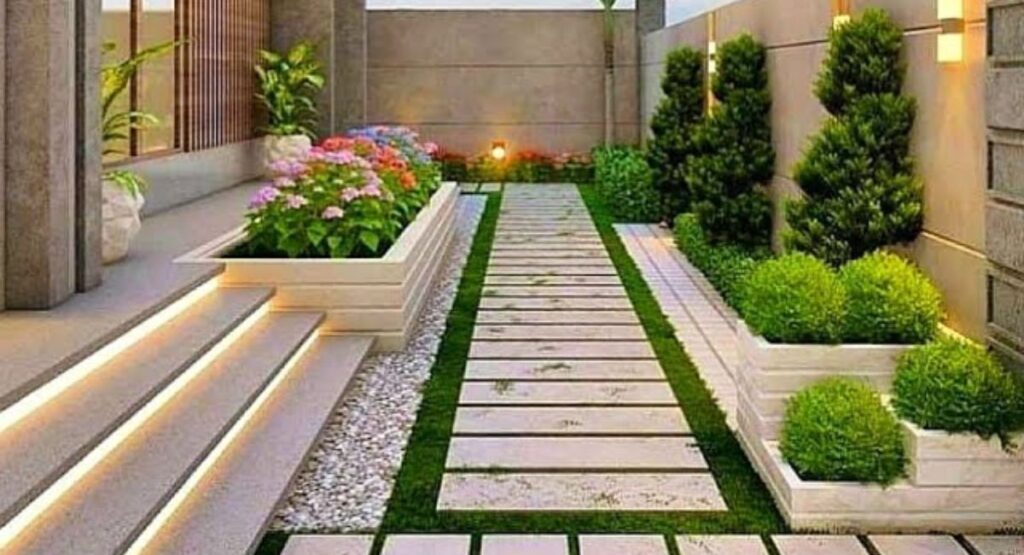
For example, you might designate areas for seating, planting, pathways, and water features. Clear pathways ensure easy movement, while defined zones create structure and organization.
It is also important to consider how the garden will be used. Whether for relaxation, family gatherings, or outdoor dining, the layout should reflect your lifestyle and needs.
Choosing the Right Plants for Your Space
Plant selection plays a crucial role in garden landscape design. Choosing the right combination of trees, shrubs, flowers, and ground cover can significantly impact the overall look and maintenance of the garden.
Native plants are often the best choice, as they are well-adapted to local conditions and require less maintenance. Mixing evergreen and seasonal plants ensures year-round interest and color variation.
Layering plants based on height and texture creates depth and visual appeal. Taller plants can be placed at the back, while smaller ones can be used in the foreground to create a balanced composition.
Incorporating Hardscape Elements
Hardscape elements refer to the non-living components of a garden, such as pathways, patios, walls, and decks. These features provide structure and functionality to the outdoor space.
Materials like stone, brick, and wood are commonly used to create durable and attractive hardscape designs. Pathways guide movement and connect different areas, while patios serve as gathering spaces for relaxation and entertainment.
Integrating hardscape with softscape elements, such as plants and grass, creates a harmonious balance between natural and built features.
Creating Functional Outdoor Living Spaces
Modern garden design often includes outdoor living spaces that extend the functionality of the home. These areas can include seating arrangements, dining spaces, and even outdoor kitchens.
Comfortable furniture, shade structures, and lighting can enhance usability and create a welcoming environment. Fire pits and pergolas are popular additions that add both style and functionality.
Designing these spaces with comfort and practicality in mind ensures that the garden becomes an extension of indoor living areas.
The Role of Water Features in Landscape Design
Water features add a sense of tranquility and elegance to garden spaces. Elements such as fountains, ponds, and waterfalls can create a soothing atmosphere and enhance the overall aesthetic.
The sound of flowing water helps reduce noise pollution and creates a calming environment. Water features can also attract birds and other wildlife, adding life and movement to the garden.
When incorporating water elements, it is important to consider maintenance and placement to ensure long-term functionality.
Using Lighting to Enhance Outdoor Spaces
Outdoor lighting is an essential component of landscape design. It not only improves visibility and safety but also highlights key features of the garden.
Different types of lighting can be used to create various effects. Path lights guide movement, while spotlights can emphasize trees, sculptures, or architectural elements. Ambient lighting creates a warm and inviting atmosphere for evening use.
Energy-efficient options such as solar lights are becoming increasingly popular, offering sustainability along with practicality.
Maximizing Small Garden Spaces
Even small outdoor areas can be transformed into beautiful and functional gardens with the right design approach. Maximizing space requires creativity and efficient use of available resources.
Vertical gardening is an effective solution for limited spaces. Wall-mounted planters, hanging baskets, and trellises allow you to grow plants without occupying ground space.
Using multi-functional furniture and compact design elements can further enhance usability. Light colors and reflective surfaces can make small gardens appear larger and more open.
Sustainable and Eco-Friendly Landscaping
Sustainability is becoming a key focus in modern landscape design. Eco-friendly practices help conserve resources and reduce environmental impact.
Using drought-resistant plants, efficient irrigation systems, and organic fertilizers can significantly improve sustainability. Rainwater harvesting and composting are also effective methods for maintaining a healthy garden.
Designing with sustainability in mind not only benefits the environment but also reduces long-term maintenance costs.
Seasonal Planning for Year-Round Beauty
A well-designed garden should remain attractive throughout the year. Seasonal planning ensures that different plants bloom at different times, providing continuous color and interest.
Spring flowers, summer greenery, autumn foliage, and winter textures all contribute to a dynamic and ever-changing landscape. Incorporating a mix of seasonal plants helps maintain visual appeal in every season.
Regular maintenance, such as pruning and replanting, is essential to keep the garden looking its best.
Incorporating Personal Style and Creativity
Garden design is an opportunity to express personal style and creativity. Whether you prefer a modern, minimalist look or a lush, traditional garden, the design should reflect your preferences.
Decorative elements such as sculptures, garden art, and unique planters can add character and individuality. Color schemes and material choices also play a significant role in defining the overall style.
Personal touches make the garden more meaningful and enjoyable, turning it into a space that truly feels like your own.
Maintenance and Long-Term Care
Proper maintenance is essential to preserve the beauty and functionality of a garden. Regular tasks such as watering, pruning, and cleaning help keep the space in good condition.
Planning for maintenance during the design phase can save time and effort in the long run. Choosing low-maintenance plants and materials can reduce the workload.
Consistent care ensures that the garden continues to thrive and remain an inviting outdoor space.
Common Mistakes to Avoid in Landscape Design
Avoiding common mistakes can greatly improve the success of your garden project. Overcrowding plants, neglecting proper drainage, and ignoring soil quality are frequent issues.
Another mistake is failing to plan for future growth. Plants that are too close together can become overcrowded over time, affecting their health and appearance.
Poor lighting and lack of defined pathways can also reduce functionality. Careful planning and attention to detail can help prevent these problems.
Future Trends in Outdoor Landscape Design
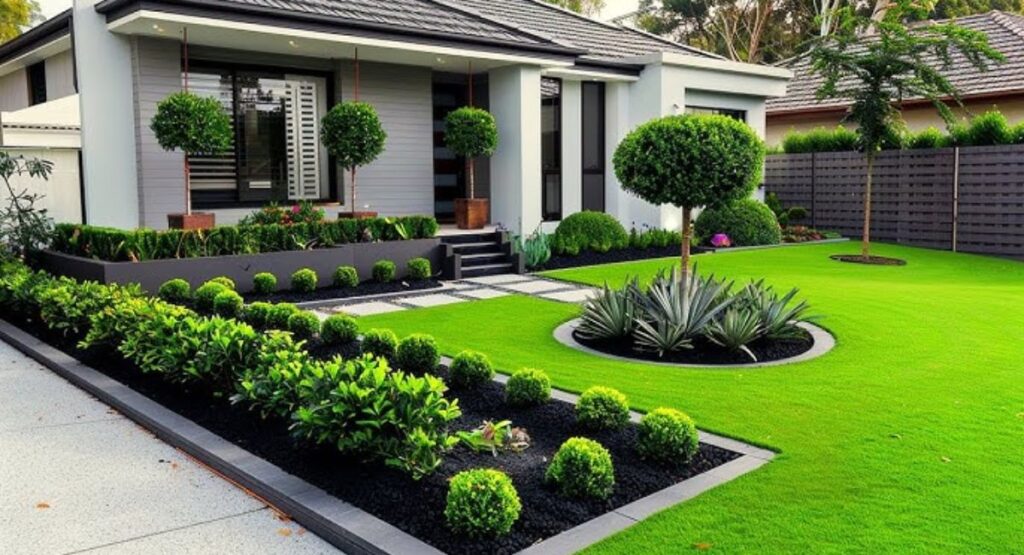
Landscape design continues to evolve with changing lifestyles and technological advancements. Trends such as smart irrigation systems, eco-friendly materials, and multifunctional outdoor spaces are becoming more popular.
The integration of technology with nature is shaping the future of garden design. Automated lighting, weather-based irrigation, and sustainable practices are enhancing both convenience and efficiency.
As these trends develop, outdoor spaces will become even more versatile and environmentally conscious.
Conclusion: Transforming Outdoor Spaces into Living Art
Garden landscape design is more than just arranging plants and structures; it is about creating a harmonious and functional outdoor environment. With careful planning, creativity, and attention to detail, any space can be transformed into a beautiful and inviting garden.
By combining natural elements with thoughtful design principles, you can create an outdoor area that enhances your lifestyle and adds value to your property. Whether large or small, every garden has the potential to become a stunning and practical extension of your living space.