
Introduction
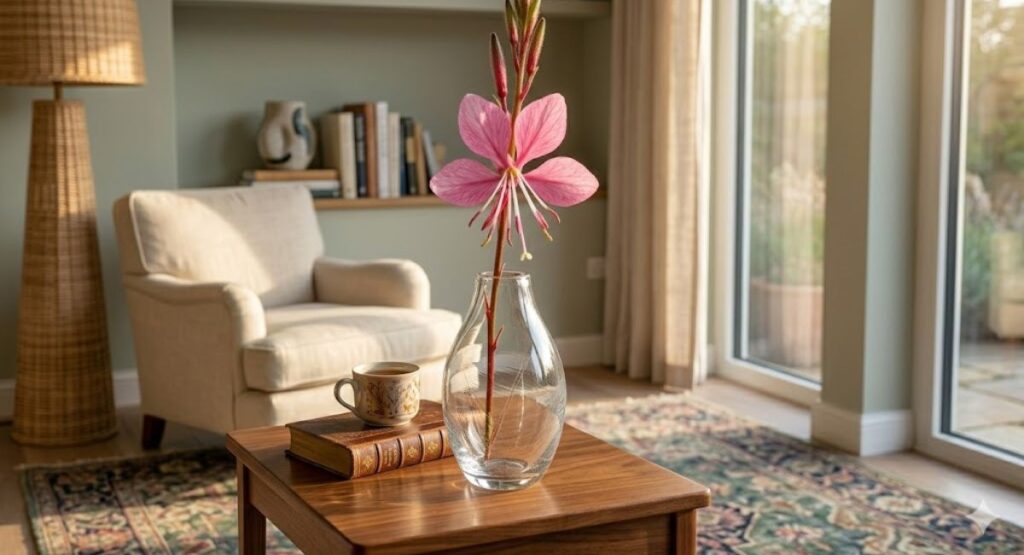
Pink gaura is one of the most beautiful flowering plants for modern gardens. Known for its soft pink butterfly-like blooms and graceful stems, this plant creates a peaceful and elegant atmosphere in outdoor spaces. Gardeners love pink gaura because it blooms for a very long time, survives harsh weather conditions, and requires little maintenance compared to many other flowering plants.
In recent years, pink gaura has become highly popular in landscaping and home gardening. Whether planted in flower beds, along pathways, inside decorative containers, or in pollinator gardens, it instantly adds charm and movement to the landscape. The flowers appear to float in the air whenever the wind blows, making the plant look delicate and magical.
Another reason why pink gaura is becoming a favorite among homeowners is its ability to thrive in difficult conditions. It tolerates heat, drought, and poor soil while still producing flowers continuously from spring until fall. For people who want a colorful garden without spending too much time on maintenance, pink gaura is an ideal option.
This complete guide covers everything you need to know about pink gaura, including its characteristics, growing requirements, landscaping uses, care tips, benefits, propagation methods, and common problems.
What Is Pink Gaura?
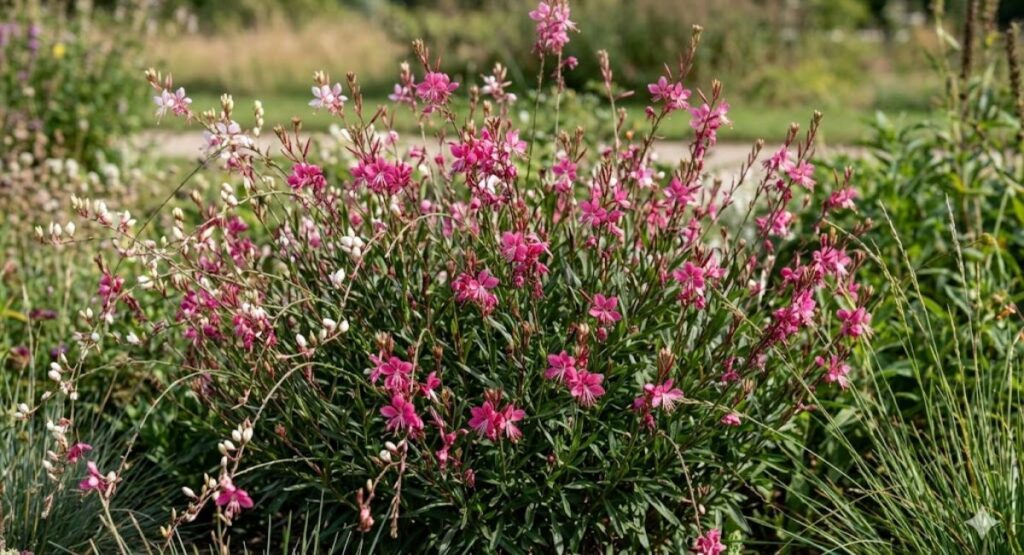
Pink gaura is a flowering perennial plant native to North America. Its scientific name is Gaura lindheimeri, although it is also classified under the genus Oenothera. The plant belongs to the evening primrose family and is famous for its airy appearance and long flowering season.
The flowers are small, delicate, and usually bloom in shades of soft pink. Because the blossoms resemble butterflies fluttering above the stems, pink gaura is sometimes called the “butterfly flower.”
Unlike dense flowering plants that appear heavy or compact, pink gaura has a loose and flowing structure. This unique growth habit helps create movement and texture in gardens, making landscapes feel more natural and relaxing.
| Feature | Details |
|---|---|
| Botanical Name | Gaura lindheimeri |
| Common Name | Pink Gaura |
| Plant Type | Perennial |
| Flower Color | Soft Pink |
| Height | 2–5 Feet |
| Sunlight Needs | Full Sun |
| Water Requirements | Low to Moderate |
| Blooming Season | Spring to Fall |
| Maintenance Level | Low |
| Pollinator Friendly | Yes |
Why Pink Gaura Is So Popular in Modern Gardening
Modern homeowners often prefer plants that are beautiful yet easy to maintain. Pink gaura perfectly matches these needs because it combines elegance with durability.
One major reason for its popularity is its extremely long blooming season. Many flowering plants bloom for only a few weeks, but pink gaura continues producing flowers for several months. This means gardens remain colorful from late spring until autumn.
Another reason gardeners choose pink gaura is its drought tolerance. Once established, the plant can survive with very little watering, making it excellent for warm climates and water-wise landscaping.
Its airy structure also makes it highly versatile in landscape design. Pink gaura blends naturally with cottage gardens, modern landscapes, wildflower meadows, and minimalist outdoor spaces.
In addition, pollinators such as butterflies and bees are highly attracted to the flowers. This makes pink gaura an environmentally friendly plant that supports biodiversity and healthy ecosystems.
Different Varieties of Pink Gaura
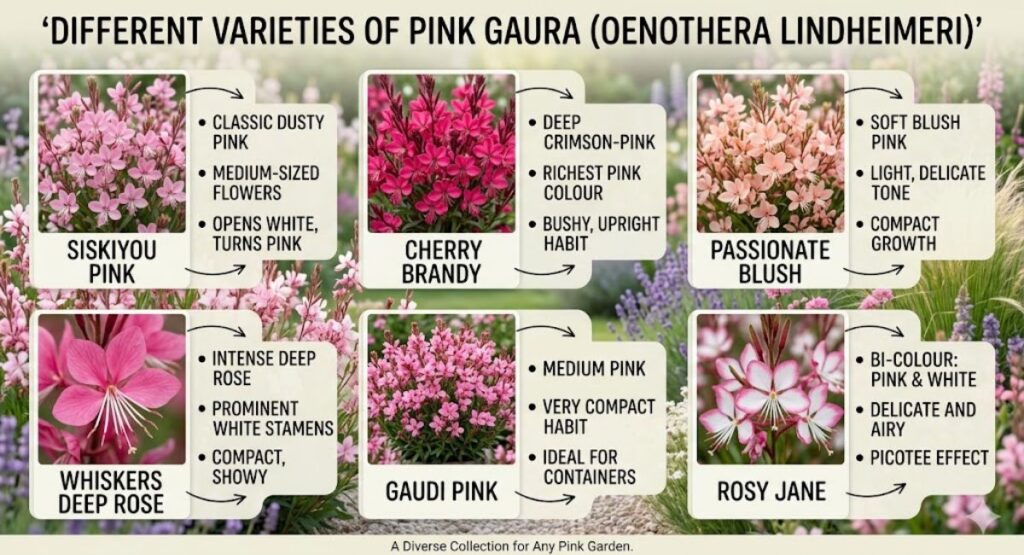
There are several popular varieties of pink gaura available today. Each variety offers slightly different flower colors, sizes, and growth habits.
Siskiyou Pink is one of the most common varieties and features deep pink flowers with reddish stems. It blooms heavily and creates a dramatic effect in flower beds.
Rosy Jane is another attractive variety known for its white flowers edged with pink. This variety looks especially beautiful in decorative borders and cottage gardens.
Belleza Pink is more compact and works well for container gardening and smaller spaces. Despite its smaller size, it produces abundant blooms for months.
Some gardeners also choose dwarf varieties for patios and balconies where space is limited.
Ideal Growing Conditions for Pink Gaura
Pink gaura is relatively easy to grow because it adapts well to different environments. However, providing the right growing conditions helps the plant stay healthier and bloom more heavily.
The plant performs best in full sunlight. At least six hours of direct sunlight daily is recommended for strong growth and maximum flowering. Although pink gaura can tolerate partial shade, too much shade may cause weak stems and fewer flowers.
Well-draining soil is also very important. Pink gaura dislikes soggy conditions because excessive moisture may lead to root rot. Sandy or slightly rocky soil is often ideal for this plant.
One of the best features of pink gaura is its ability to tolerate poor soil conditions. Unlike many flowering plants that need rich soil and heavy fertilization, pink gaura often performs better in average or even dry soil.
How to Plant Pink Gaura
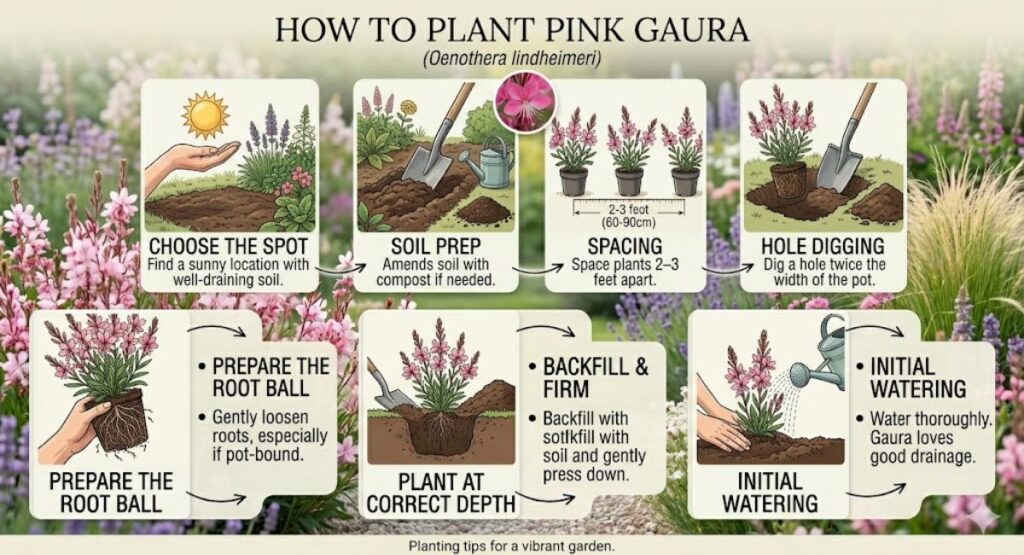
Planting pink gaura correctly helps the plant establish strong roots and healthy growth.
The best time to plant pink gaura is during spring or early fall when temperatures are moderate. Begin by selecting a sunny location with good drainage.
Dig a hole slightly larger than the root ball and place the plant carefully into the soil. Leave enough spacing between plants because mature gaura spreads outward and develops a bushy appearance.
After planting, water deeply to help the roots settle into the soil.
Mulching lightly around the base can help retain moisture and suppress weeds, but avoid placing mulch directly against the stems.
Watering and Fertilizing Needs
Pink gaura requires regular watering during its first growing season so the roots can establish properly. Once mature, however, the plant becomes highly drought tolerant.
In most climates, watering once or twice weekly during dry weather is usually enough. Overwatering should be avoided because constantly wet soil can damage the roots.
Fertilizing needs are also minimal. Too much fertilizer often results in excessive leafy growth and fewer flowers. Adding compost or a light balanced fertilizer in spring is generally sufficient.
This low-maintenance nature makes pink gaura an excellent choice for busy homeowners who want beautiful gardens without constant work.
Pink Gaura in Landscape Design
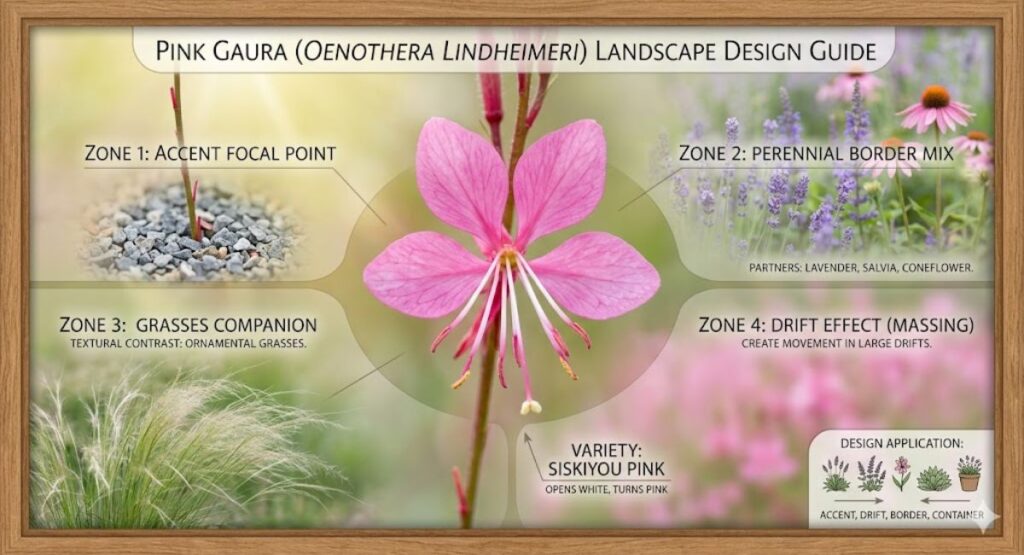
One of the reasons pink gaura is widely used in landscaping is its ability to soften outdoor spaces naturally.
In cottage gardens, pink gaura pairs beautifully with roses, lavender, daisies, and salvia. Its airy flowers help balance heavier blooms and create a romantic appearance.
Modern landscapes also benefit from pink gaura because its flowing structure softens clean lines and hard surfaces. Many designers use it near patios, pathways, and stone features.
The plant is also highly effective in pollinator gardens and wildflower landscapes because it attracts butterflies and bees continuously throughout the blooming season.
Container gardening is another excellent use for pink gaura. Decorative pots filled with blooming gaura can brighten balconies, terraces, and outdoor seating areas for months.
Companion Plants That Pair Well with Pink Gaura
Pink gaura combines beautifully with many other garden plants. Choosing the right companions can create a more balanced and colorful landscape.
Lavender is one of the best companion plants because both plants enjoy full sun and dry conditions. The purple flowers of lavender contrast beautifully with the soft pink blooms of gaura.
Salvia and Russian sage also work wonderfully because their upright growth complements gaura’s airy appearance.
Ornamental grasses are another excellent pairing. Together, they create movement and texture that looks natural and elegant.
Coneflowers, black-eyed Susans, and coreopsis also blend well with pink gaura in pollinator-friendly gardens.
Benefits of Growing Pink Gaura
Pink gaura offers many benefits beyond its attractive appearance.
Its long blooming period helps keep gardens colorful from spring through autumn without constant replanting.
The plant is extremely low maintenance, making it ideal for homeowners who do not have time for demanding gardening routines.
Because pink gaura tolerates drought, it supports water-efficient landscaping and reduces irrigation needs.
The flowers attract pollinators such as bees and butterflies, which help improve the health of local ecosystems.
Pink gaura is also resistant to many common pests and diseases, reducing the need for chemical treatments.
Common Problems and Their Solutions
Although pink gaura is generally hardy and reliable, some minor issues can occasionally occur.
Overwatering is one of the most common problems. Wet soil can cause root rot and weaken the plant. Ensuring proper drainage usually prevents this issue.
If stems become floppy or weak, insufficient sunlight may be the cause. Moving the plant to a sunnier location often improves growth.
Aphids and small insects may occasionally appear, but they rarely cause serious damage. Mild insecticidal soap is usually enough to solve the problem.
In colder climates, winter protection such as mulch can help protect the roots during freezing temperatures.
Can Pink Gaura Be Grown in Containers?
Yes, pink gaura grows beautifully in containers and decorative pots. Compact varieties are especially suitable for patios, balconies, and terraces.
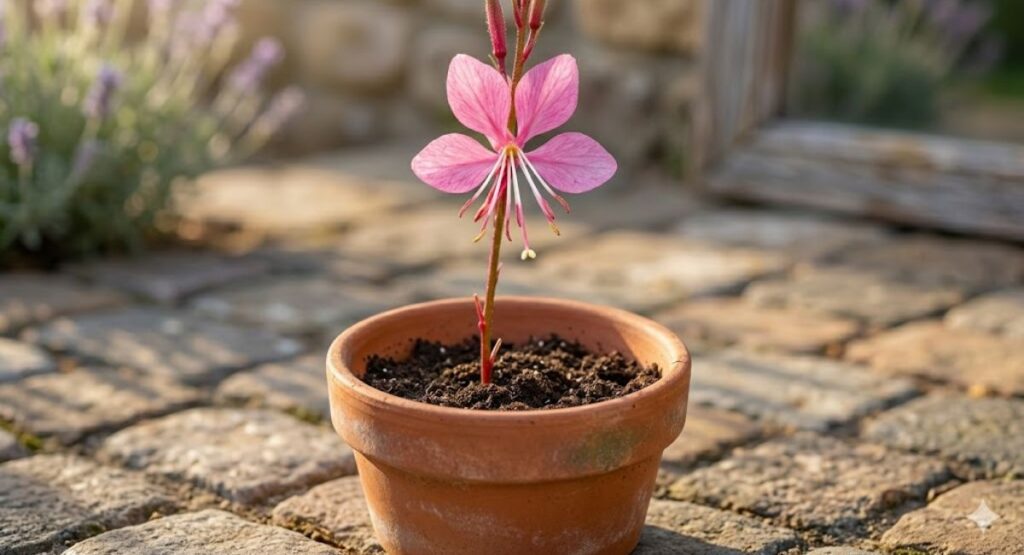
Choose a container with drainage holes and use light, well-draining potting soil. Since containers dry faster than garden soil, potted gaura may require slightly more frequent watering.
Container-grown pink gaura is popular because it provides long-lasting color without taking up much space.
How to Propagate Pink Gaura
Pink gaura can be propagated through seeds or cuttings. Growing from seeds is relatively easy and allows gardeners to produce multiple plants at low cost. Seeds can be started indoors before the last frost or directly sown outdoors in warm weather. Softwood cuttings taken during spring or summer also root successfully when placed in moist growing medium. Division is less common because gaura develops a deep taproot that dislikes disturbance.
Seasonal Care Tips for Healthy Growth
During spring, remove any dead growth left from winter and apply compost if needed. This encourages fresh growth and heavy flowering. In summer, occasional deadheading can help maintain appearance and encourage more blooms.
During fall, watering should gradually decrease as temperatures cool. In colder climates, winter mulch can protect roots from freezing temperatures.
Why Pink Gaura Is Perfect for Beginner Gardeners
Pink gaura is one of the easiest flowering plants for beginners because it tolerates mistakes better than many delicate garden flowers.
It survives hot weather, poor soil, and occasional neglect while still producing beautiful blooms. Unlike high-maintenance plants that require constant fertilizing and pruning, pink gaura thrives with minimal care.
Its resistance to pests and diseases also makes gardening less stressful for new gardeners.
For homeowners who want an elegant landscape without complicated maintenance routines, pink gaura is an excellent choice.
Conclusion
Pink gaura is a graceful and versatile flowering plant that adds beauty, movement, and softness to any garden. Its delicate pink blooms, long flowering season, and low-maintenance nature make it one of the best choices for modern landscaping.
Whether used in cottage gardens, pollinator landscapes, decorative borders, or containers, pink gaura creates a peaceful and elegant atmosphere that lasts for months. Its drought tolerance, ability to attract pollinators, and easy care requirements make it ideal for both beginners and experienced gardeners.
For anyone looking to create a beautiful outdoor space without excessive maintenance, pink gaura is truly one of the most rewarding plants to grow.
FAQs
Is pink gaura a perennial or annual plant?
Pink gaura is usually grown as a perennial in suitable climates and returns every year.
How much sunlight does pink gaura need?
It grows best in full sunlight with at least six hours of direct sun daily.
Can pink gaura survive drought conditions?
Yes, once established, pink gaura is highly drought tolerant.
Does pink gaura attract pollinators?
Yes, butterflies, bees, and other beneficial insects are highly attracted to its flowers.
Can pink gaura grow in pots?
Yes, compact varieties grow very well in containers and patio pots.
How tall does pink gaura grow?
Most varieties grow between 2 and 5 feet tall depending on growing conditions.