
Introduction
Aloe vera plants are among the most popular succulents in the world. Known for their thick fleshy leaves, low-maintenance nature, and medicinal properties, aloe plants are commonly found in homes, gardens, offices, and indoor plant collections. Most people recognize the classic aloe vera plant used in skincare and natural remedies, but many are surprised to learn that there are hundreds of aloe varieties available worldwide.
Different types of aloe vera plants vary in size, color, texture, growth habits, and appearance. Some varieties are grown mainly for medicinal use, while others are valued for their decorative beauty. Certain aloe plants remain small enough for indoor pots, whereas others can grow into large landscape plants suitable for outdoor gardens.
Because aloe plants are drought tolerant and easy to care for, they are perfect for modern homeowners who want attractive greenery without constant maintenance. Their unique shapes and striking leaf patterns also make them highly popular in contemporary interior design and landscaping.
This guide explores the most popular types of aloe vera plants, their characteristics, growing conditions, benefits, and care requirements.
What Is an Aloe Vera Plant?
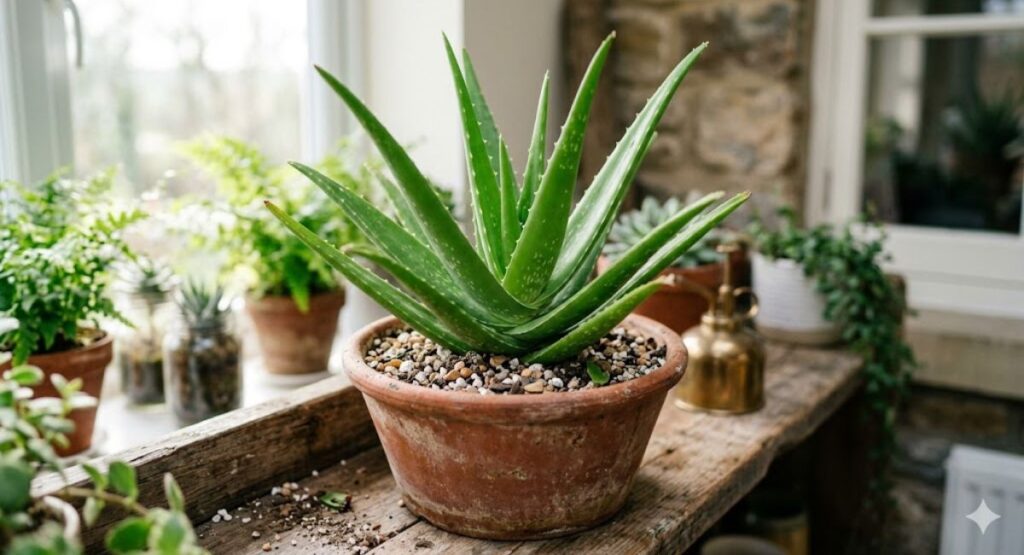
Aloe vera belongs to the succulent family and is known for storing water inside its thick leaves. The plant originally comes from arid and semi-arid regions, which explains why it survives well in hot and dry environments.
Most aloe plants have pointed leaves arranged in a rosette shape. Many varieties feature green, blue-green, gray, or spotted foliage. Some also produce beautiful flowers in shades of yellow, orange, red, or pink.
The most famous species is Aloe barbadensis miller, commonly known as medicinal aloe vera. However, there are more than 500 recognized aloe species worldwide.
| Feature | Details |
|---|---|
| Plant Type | Succulent |
| Family | Asphodelaceae |
| Water Needs | Low |
| Sunlight | Bright Indirect or Full Sun |
| Maintenance Level | Low |
| Common Uses | Decorative and Medicinal |
| Growth Habit | Rosette Form |
| Climate Preference | Warm and Dry |
Why Aloe Vera Plants Are So Popular
Aloe plants have become extremely popular because they combine beauty with practicality. Their sculptural appearance works well in modern homes, while their low water needs make them easy to maintain.
Another major reason for their popularity is their medicinal reputation. Aloe vera gel is commonly used in skincare products, burn treatments, and natural remedies.
Indoor gardeners also love aloe plants because they can survive with minimal attention. Unlike delicate houseplants that require frequent watering, aloe plants thrive on neglect as long as they receive enough sunlight.
Their ability to purify indoor air and adapt to containers further increases their appeal for apartments and homes.
Most Popular Types of Aloe Vera Plants
There are many stunning aloe varieties available today. Some are ideal for medicinal use, while others are prized for their unique appearance.
Aloe Vera (Aloe Barbadensis Miller)
This is the most well-known aloe variety in the world. It features thick green leaves filled with cooling gel commonly used for skincare and burns.
The plant grows well indoors and outdoors in warm climates. Because of its medicinal benefits and easy care requirements, it is one of the most widely grown succulents globally.
Aloe vera prefers bright sunlight, well-draining soil, and occasional watering.
Tiger Tooth Aloe
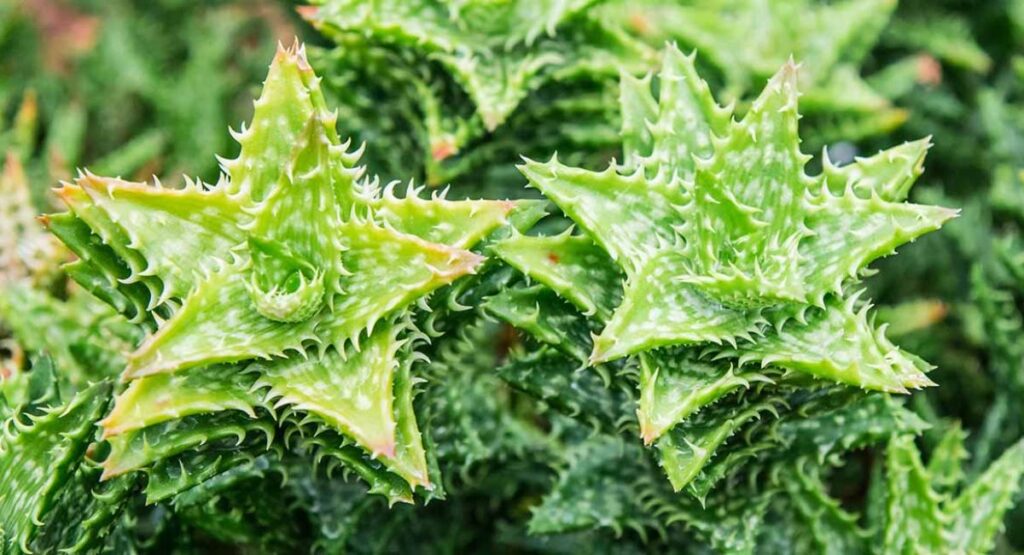
Tiger Tooth Aloe is a compact and decorative variety known for its spiky leaf edges that resemble tiger teeth.
The leaves are bright green and form attractive rosettes, making this plant ideal for small containers and indoor decoration.
Unlike some larger aloe species, Tiger Tooth Aloe stays relatively small, making it perfect for desks, shelves, and apartment spaces.
Soap Aloe
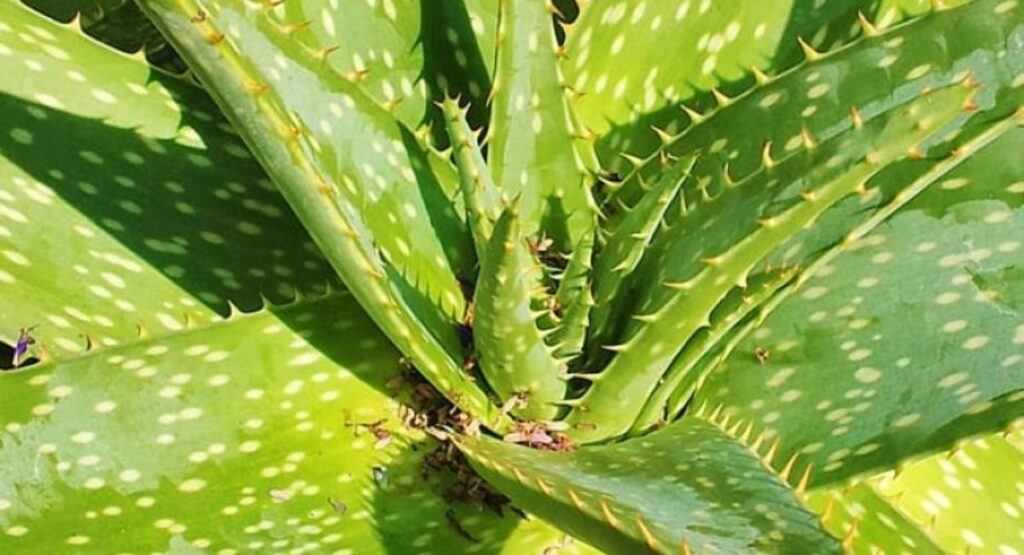
Soap Aloe is popular for its spotted leaves and colorful flowers. The plant produces orange or red blooms that attract pollinators such as bees and birds.
Historically, people used its sap similarly to soap, which inspired its name.
Soap Aloe is more cold tolerant than many other aloe species, making it suitable for a wider range of climates.
Sunset Aloe
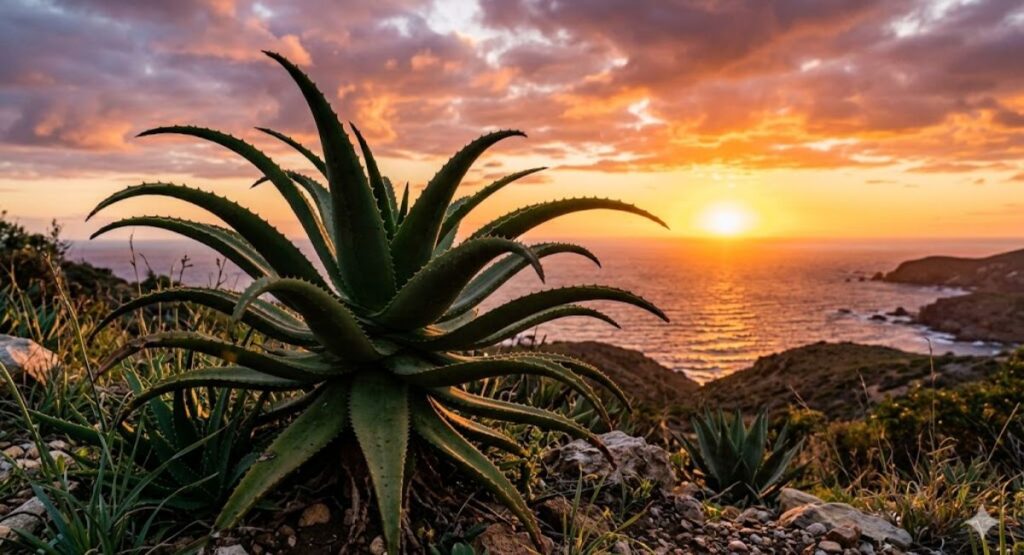
Sunset Aloe is one of the most visually striking varieties. Under bright sunlight, the leaves develop vibrant shades of red, orange, and green.
This colorful appearance makes Sunset Aloe highly popular in decorative succulent arrangements and modern landscapes.
The plant remains relatively compact and thrives in sunny conditions.
Spiral Aloe
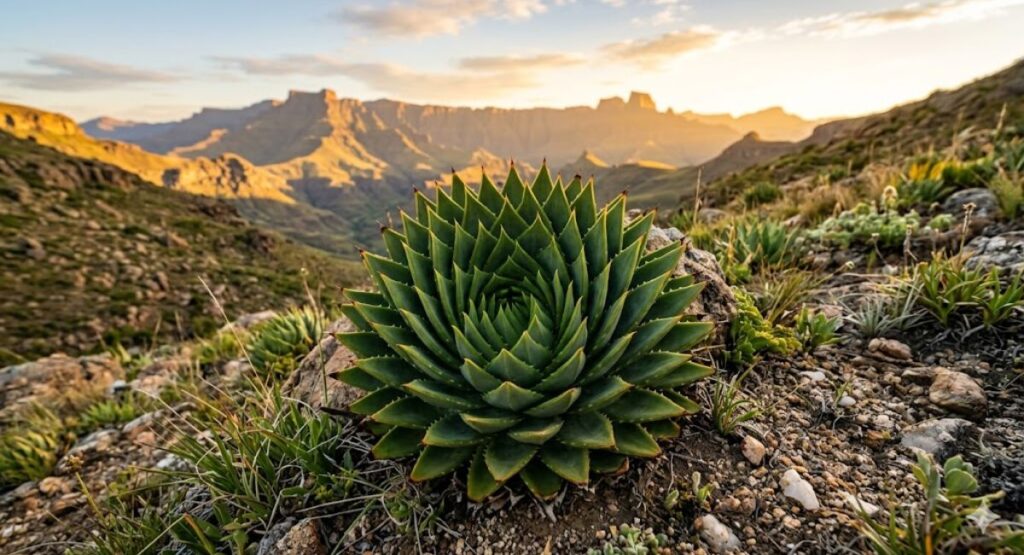
Spiral Aloe is considered one of the most unique aloe species because of its perfectly symmetrical spiral shape.
Native to mountainous regions of Africa, this rare plant is highly valued among succulent collectors. Its unusual geometry makes it one of the most photographed aloe varieties.
However, Spiral Aloe can be more challenging to grow compared to standard aloe vera plants because it requires very specific growing conditions.
Lace Aloe
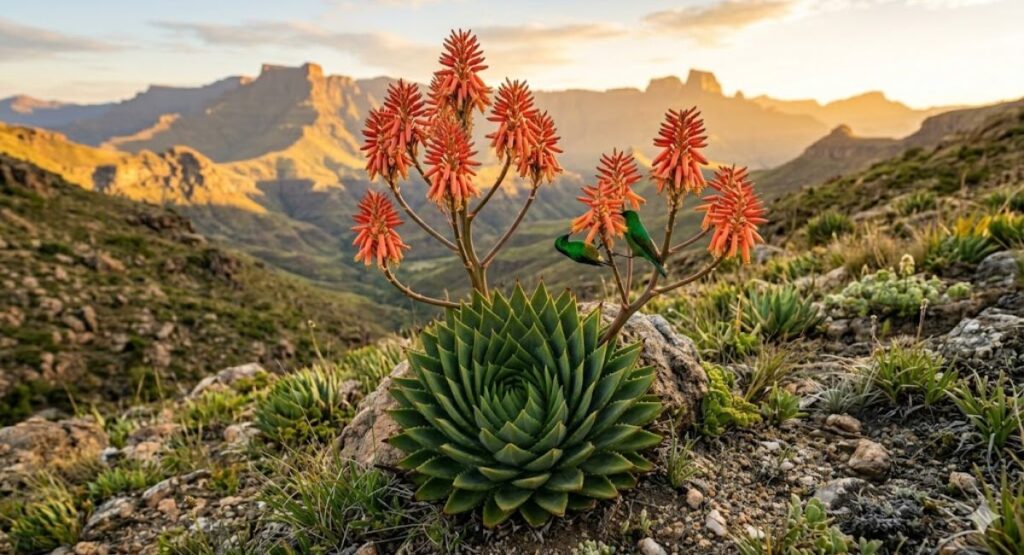
Lace Aloe is a smaller aloe variety known for its textured leaves covered with white raised spots.
The plant produces tubular orange flowers during the blooming season and looks excellent in decorative containers.
Because of its compact size and attractive texture, Lace Aloe is a favorite indoor succulent.
Candelabra Aloe
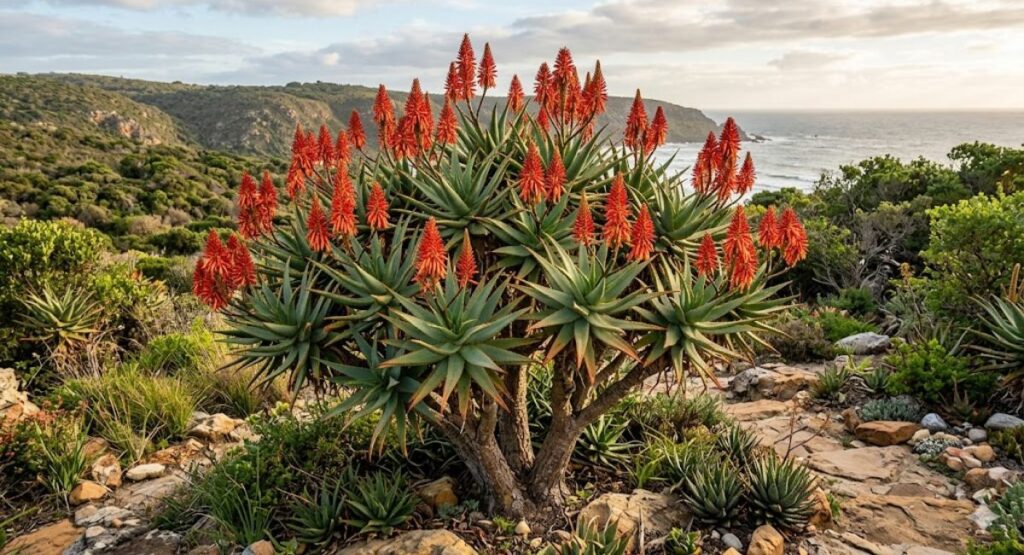
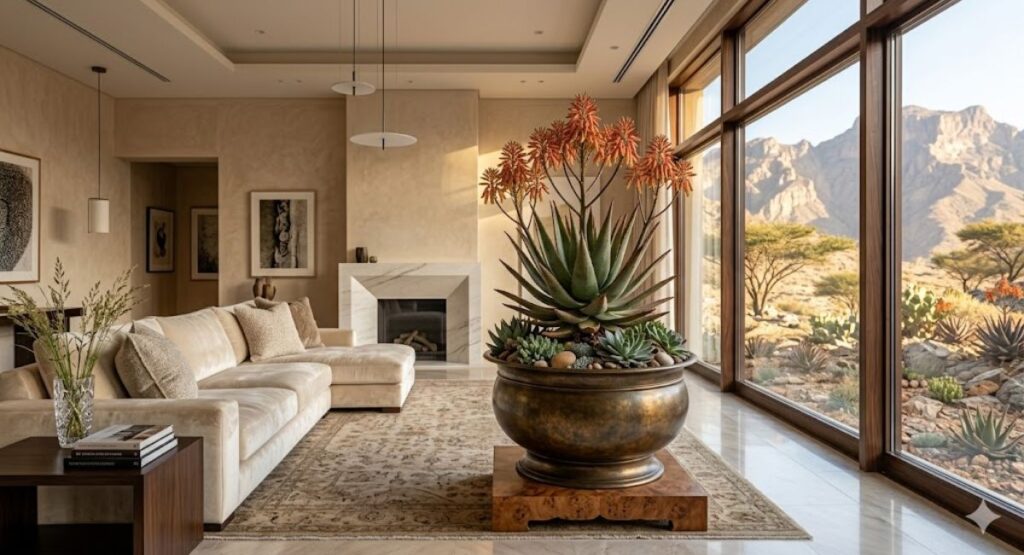
Candelabra Aloe is a much larger species that can grow into a shrub-like form outdoors.
It produces tall flower spikes filled with bright red or orange blooms, creating a dramatic appearance in landscapes.
This variety is commonly used in xeriscaping and drought-tolerant gardens because of its strong resistance to dry conditions.
Short-Leaf Aloe
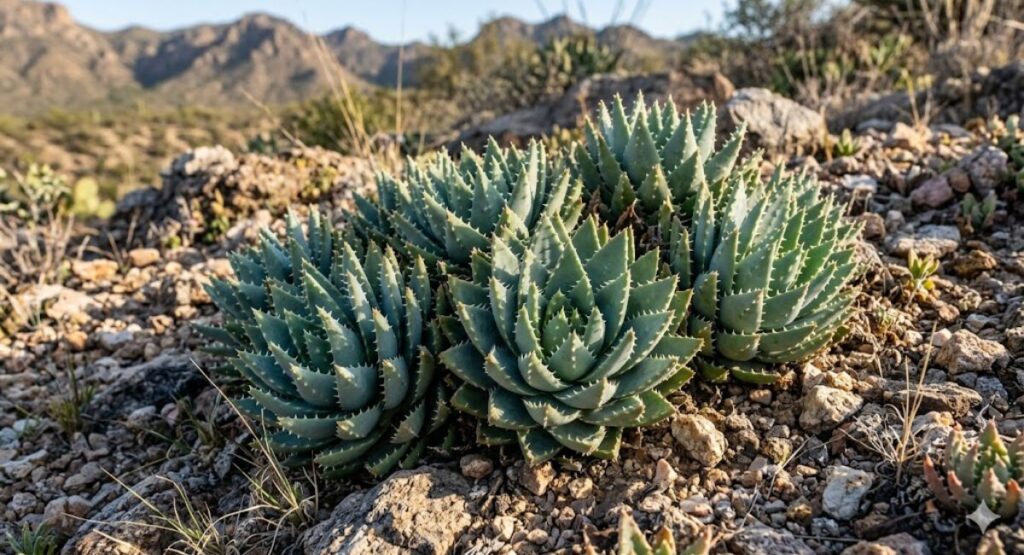
Short-Leaf Aloe is a compact succulent with thick blue-green leaves arranged in dense rosettes.
The leaf tips often turn reddish under strong sunlight, giving the plant extra visual appeal.
Because it spreads gradually, it works well as a ground cover in warm climates.
Red Aloe
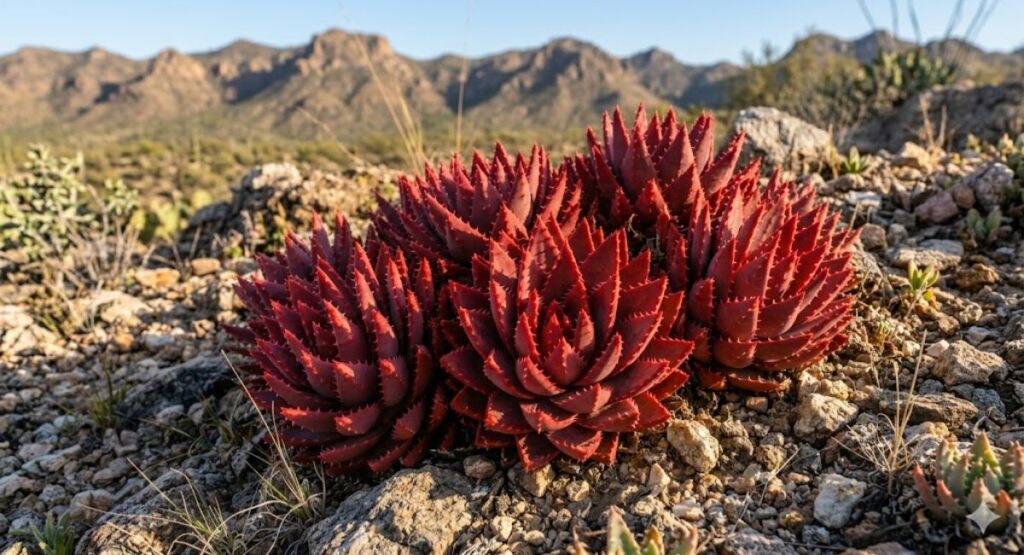
Red Aloe is admired for its deep reddish foliage that becomes more vibrant under direct sunlight.
This colorful appearance makes it highly decorative in succulent gardens and modern container arrangements.
Like many aloe species, it thrives in dry conditions with minimal watering.
Arabian Aloe
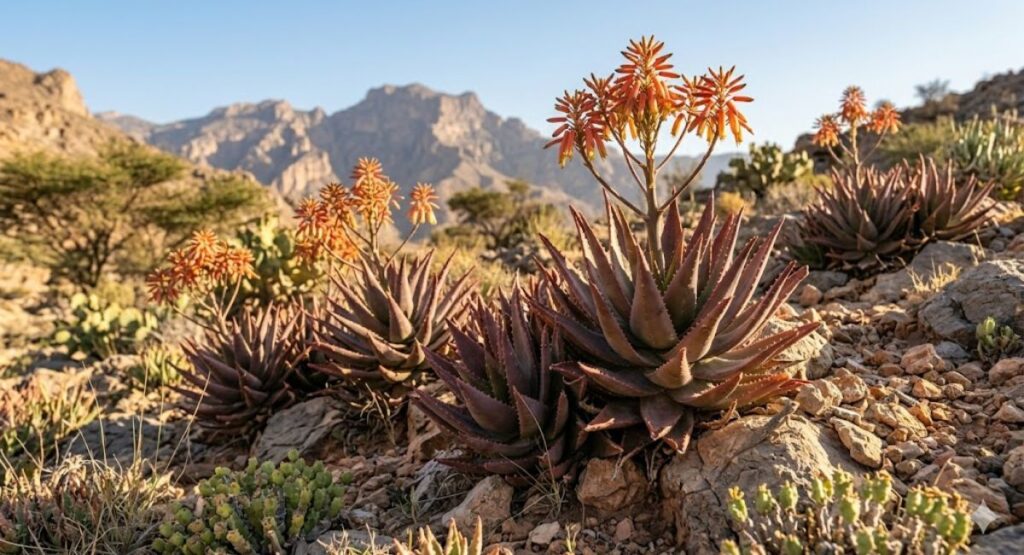
Arabian Aloe is a large and dramatic species with broad leaves and impressive flower spikes.
The plant is native to the Arabian Peninsula and can tolerate extreme heat and drought conditions.
Because of its bold appearance, Arabian Aloe is commonly used as a focal point in desert-style landscapes.
Growing Conditions for Aloe Plants
Although different aloe varieties have slightly different needs, most aloe plants thrive under similar conditions.
Bright sunlight is essential for healthy growth. Indoor aloe plants should be placed near sunny windows where they receive plenty of indirect or direct light.
Well-draining soil is extremely important because aloe roots are sensitive to excess moisture. Cactus or succulent potting mix usually works best.
Overwatering is one of the most common reasons aloe plants fail. The soil should dry out between waterings to prevent root rot.
Aloe plants also prefer warm temperatures and generally do not tolerate frost well.
Indoor vs Outdoor Aloe Plants
Many aloe varieties grow successfully indoors because they adapt well to containers and dry indoor air.
Smaller varieties such as Lace Aloe and Tiger Tooth Aloe are especially suitable for desks, shelves, and windowsills.
Larger varieties like Candelabra Aloe and Arabian Aloe are better suited for outdoor gardens where they have enough space to grow fully.
In warm climates, outdoor aloe plants can become impressive landscape features with dramatic flower displays.
Benefits of Aloe Vera Plants
Aloe plants offer many benefits beyond their attractive appearance.
The gel inside Aloe Vera leaves is widely used for soothing burns, moisturizing skin, and supporting natural skincare routines.
Many aloe species are drought tolerant, making them excellent for water-efficient gardening.
Their sculptural appearance adds texture and beauty to indoor and outdoor spaces.
Aloe plants are also relatively pest resistant and easy to care for compared to many traditional houseplants.
Because they require little maintenance, they are ideal for busy homeowners and beginner gardeners.
Common Problems With Aloe Plants
Despite being hardy plants, aloe species can still experience some problems.
Overwatering is the biggest issue and may cause yellow leaves, mushy stems, and root rot.
Insufficient sunlight can lead to weak growth and pale leaves.
Some aloe plants may develop brown leaf tips due to extreme dryness or inconsistent watering.
Mealybugs and aphids occasionally affect aloe plants, but infestations are usually manageable with insecticidal soap or neem oil.
How to Care for Aloe Plants Properly
Aloe care is relatively simple when basic needs are met.
Always plant aloe in containers with drainage holes to prevent water buildup.
Water deeply but infrequently, allowing the soil to dry completely between watering sessions.
Place the plant in bright sunlight for healthy growth and vibrant leaf color.
During winter, watering should be reduced because aloe plants grow more slowly in cooler months.
Repotting may occasionally be needed when the plant outgrows its container or produces offsets known as “pups.”
Why Aloe Plants Are Perfect for Modern Homes
Modern interior design often focuses on simplicity, greenery, and low-maintenance decor. Aloe plants fit perfectly into this trend because they look stylish while requiring minimal care.
Their geometric shapes complement modern furniture and minimalist spaces beautifully.
Because aloe plants tolerate dry indoor environments, they adapt well to apartments and offices where humidity levels are low.
Decorative containers filled with aloe plants can instantly improve the appearance of kitchens, living rooms, patios, and balconies.
Conclusion
Aloe vera plants are among the most versatile and attractive succulents available today. From the classic medicinal Aloe Vera to decorative varieties like Spiral Aloe and Sunset Aloe, these plants offer something for every gardener and plant lover.
Their low-maintenance nature, drought tolerance, and unique appearance make them perfect for both indoor and outdoor spaces. Whether you want a medicinal plant, a decorative succulent collection, or a striking landscape feature, aloe plants provide beauty and practicality at the same time.
With proper sunlight, well-draining soil, and careful watering, aloe plants can thrive for many years while enhancing the beauty of homes and gardens.
FAQs
How many types of aloe vera plants are there?
There are more than 500 recognized aloe species worldwide.
Which aloe plant is best for medicinal use?
Aloe Barbadensis Miller is the most commonly used medicinal aloe vera variety.
Can aloe plants grow indoors?
Yes, many aloe varieties grow very well indoors with bright sunlight.
Do aloe plants need a lot of water?
No, aloe plants are drought tolerant and prefer infrequent watering.
Which aloe variety is best for decoration?
Spiral Aloe, Sunset Aloe, and Lace Aloe are highly popular decorative varieties.
Are aloe plants easy to maintain?
Yes, aloe plants are considered low-maintenance and beginner-friendly succulents.