
Your Ultimate Guide to Creating a Personalized Home Workshop
A DIY home center is an invaluable space for homeowners who enjoy taking projects into their own hands. From small repairs to full-scale renovations, having a dedicated area to work on tools, materials, and crafts not only saves time and money but also enhances creativity and productivity. Setting up a DIY home center requires careful planning, smart organization, and a thoughtful selection of tools and equipment. In this guide, we will explore everything you need to know about creating a functional and inspiring DIY home center, including setup tips, essential tools, organization strategies, and maintenance advice.
Why a DIY Home Center Is Important
Creating a DIY home center provides multiple benefits for homeowners. First, it centralizes all tools and materials, making them easily accessible when needed. Instead of searching through multiple cabinets or closets, a well-designed DIY home center keeps everything in one organized location. Second, it fosters creativity and productivity by providing a dedicated space free from distractions. When you have a designated area for projects, you are more likely to experiment, innovate, and complete tasks efficiently. Finally, a DIY home center can enhance safety by keeping potentially hazardous tools and materials in a controlled environment, reducing accidents and injuries.
Planning Your DIY Home Center
Before you start buying tools or installing workbenches, it is crucial to plan your DIY home center carefully. Consider the size of the space, the types of projects you will undertake, and the amount of storage required. Begin by evaluating your available area, whether it’s a garage, basement, or spare room. Measure the dimensions and take note of lighting, ventilation, and electrical outlets. Proper lighting ensures precision in your work, while good ventilation is essential for projects involving paints, adhesives, or sawdust. Electrical outlets should be placed conveniently to power your tools safely.
When planning, think about workflow. Place frequently used tools and materials within easy reach, and design your space to allow movement without obstacles. Group similar items together woodworking tools in one area, painting supplies in another to make finding materials faster and more efficient. Consider including a comfortable workbench, shelving units, and pegboards for hanging tools. A well-planned DIY home center not only improves efficiency but also makes the space enjoyable to work in.
Essential Tools for a DIY Home Center
No DIY home center is complete without a core set of essential tools. These tools form the foundation for a wide range of projects and repairs. While the exact list depends on your interests, some universal tools are necessary for most home workshops.
Basic Hand Tools: These include hammers, screwdrivers, pliers, wrenches, measuring tapes, levels, utility knives, and adjustable clamps. Hand tools are essential for assembling, repairing, and adjusting materials.
Power Tools: A few versatile power tools, such as a drill, circular saw, jigsaw, and sander, allow for more efficient and precise work. Cordless options add flexibility, especially in spaces with limited outlets.
Safety Gear: Safety goggles, ear protection, gloves, dust masks, and knee pads are non-negotiable. Even small DIY projects can pose risks, and proper safety equipment protects you from injuries.
Painting and Finishing Supplies: Brushes, rollers, paint trays, drop cloths, and sanding blocks are essential for refinishing furniture, walls, or decorative pieces.
Storage and Organization Tools: Pegboards, toolboxes, shelves, bins, and labeling systems ensure everything has a place, keeping your workspace tidy and efficient.
Below is a table summarizing essential tools for a DIY home center along with their purpose:
| Tool Category | Essential Items | Purpose |
|---|---|---|
| Hand Tools | Hammer, Screwdrivers, Pliers, Wrenches, Measuring Tape, Level, Utility Knife | Assembly, repair, measurement, and adjustment |
| Power Tools | Drill, Circular Saw, Jigsaw, Sander, Cordless Screwdriver | Cutting, drilling, sanding, and complex projects |
| Safety Gear | Goggles, Ear Protection, Gloves, Dust Mask, Knee Pads | Protection from injuries, dust, and debris |
| Painting & Finishing | Brushes, Rollers, Paint Trays, Drop Cloths, Sanding Blocks | Painting, staining, sanding, and refinishing |
| Storage & Organization | Pegboards, Toolboxes, Bins, Shelving, Labels | Organizing tools and materials efficiently |
Organizing Your DIY Home Center
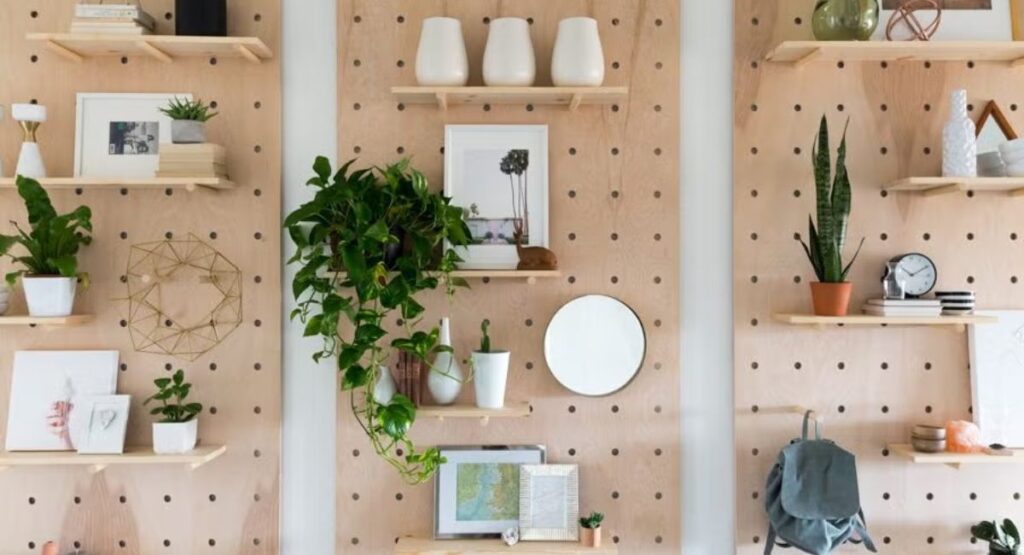
Organization is key to maximizing the efficiency and safety of your DIY home center. A cluttered workspace slows down projects and increases the risk of accidents. Start by designating specific areas for different types of projects. For example, woodworking should be separated from painting or electronics work to prevent cross-contamination and mess. Utilize vertical space by installing pegboards or wall-mounted racks to hang frequently used tools. Shelving units can hold bins of screws, nails, adhesives, and other small materials. Label everything clearly to save time and prevent confusion.
Consider investing in modular storage systems that can be reconfigured as your collection of tools grows. Drawer organizers and small compartment boxes are excellent for storing screws, nuts, bolts, and other tiny items. Keep hazardous materials, such as paints and solvents, in locked cabinets or high shelves to ensure safety, especially if children or pets are in the home. A tidy and organized DIY home center not only improves workflow but also enhances creativity by providing a visually pleasant and stress-free environment.
Lighting and Ventilation
Proper lighting and ventilation are often overlooked but crucial aspects of a DIY home center. Adequate lighting ensures precision in measuring, cutting, and assembling projects. Combine general overhead lighting with task lighting, such as adjustable LED lamps or under-shelf lights, to illuminate specific work areas. Daylight-balanced bulbs reduce eye strain and help you see true colors, especially important for painting or finishing tasks.
Ventilation is equally important, particularly when working with paints, stains, or adhesives. Poor air circulation can lead to the buildup of fumes and dust, which is both hazardous and uncomfortable. Installing an exhaust fan, opening windows, or using portable air filters improves air quality and ensures a safer working environment. In workshops where dust-producing activities like sanding or cutting occur, consider a dust collection system to maintain cleanliness.
Maximizing Space in Small DIY Home Centers
Not every home has a large garage or basement for a DIY setup. Even small spaces can be transformed into highly functional DIY home centers with smart planning. Use wall-mounted racks and pegboards to free up floor space. Foldable or mobile workbenches allow you to expand your workspace when needed and store it compactly when not in use. Consider vertical shelving to store materials like wood planks or large containers. Multi-purpose tools, such as combination saws or drill sets with interchangeable bits, save both space and money.
When working in a small space, maintaining organization is critical. Only keep the tools and materials you regularly use, and rotate seasonal or infrequently used items in storage elsewhere. Efficient storage and layout planning make even a compact DIY home center feel spacious and functional.
DIY Projects to Start in Your Home Center
Once your DIY home center is set up, there are countless projects you can undertake. Starting with simple projects helps you get familiar with your tools and workspace. Popular beginner projects include building shelves, assembling furniture, creating picture frames, or refinishing old cabinets. For more advanced DIYers, projects such as building custom furniture, installing lighting fixtures, or constructing garden planters can be tackled in a home workshop.
Having a dedicated DIY home center encourages creativity and experimentation. It provides the freedom to test new techniques, materials, and designs without worrying about cluttering the main living space. Over time, the home center can evolve into a hub for more complex and rewarding projects.
Maintenance and Safety Tips
Maintaining your DIY home center is essential for longevity and safety. Regularly inspect tools for damage and ensure they are stored properly. Sharpen blades, lubricate moving parts, and replace worn-out items to prevent accidents. Keep your workspace clean, sweeping up dust, wood shavings, and other debris after each project. Ensure electrical outlets are not overloaded, and use surge protectors when operating power tools.
Safety should always be a priority. Wear protective gear, follow instructions for all tools, and never leave sharp or hazardous items unattended. Install a first-aid kit and fire extinguisher in an accessible location. A well-maintained and safe DIY home center encourages confidence and reduces the risk of accidents, making the space enjoyable and productive.
Conclusion
It is more than just a workshop it is a space for creativity, productivity, and personal growth. By carefully planning your layout, selecting essential tools, organizing materials efficiently, and maintaining safety standards, you can create a home center that meets your needs and inspires your projects. From simple repairs to elaborate renovations, a well-equipped DIY home center empowers you to tackle any challenge with confidence. Whether you are a beginner or an experienced DIY enthusiast, investing time and effort into a functional home center pays off in both convenience and satisfaction, turning your home into a space of innovation and accomplishment.