
Introduction
Painting kitchen cabinets is one of the most affordable ways to transform your kitchen without committing to a full renovation. If your cabinets are structurally sound but look outdated or worn, a professional paint job can give them a fresh, modern appearance at a fraction of the cost of replacement. However, homeowners often ask the same question before starting: how much does it cost to paint kitchen cabinets?
The answer depends on multiple factors, including kitchen size, cabinet material, labor rates, paint quality, and whether you hire professionals or take the DIY route. This comprehensive guide breaks down every cost component so you can plan your budget with confidence.
Average Cost to Paint Kitchen Cabinets
On average, homeowners spend between $1,500 and $6,000 to have kitchen cabinets professionally painted. Smaller kitchens with fewer cabinets fall on the lower end, while larger kitchens with custom cabinetry can exceed $7,000.
For DIY projects, costs typically range from $300 to $1,200, depending on materials and tools needed.
Here’s a quick breakdown:
| Project Type | Average Cost | Best For |
|---|---|---|
| DIY Cabinet Painting | $300 – $1,200 | Budget-conscious homeowners with time and skill |
| Professional Painting (Small Kitchen) | $1,500 – $3,000 | Small kitchens with basic cabinet layout |
| Professional Painting (Medium Kitchen) | $3,000 – $5,000 | Standard-sized kitchens |
| Professional Painting (Large/Custom Kitchen) | $5,000 – $7,500+ | Large kitchens or high-end finishes |
This single table provides a clear comparison to help you quickly estimate your potential expenses.
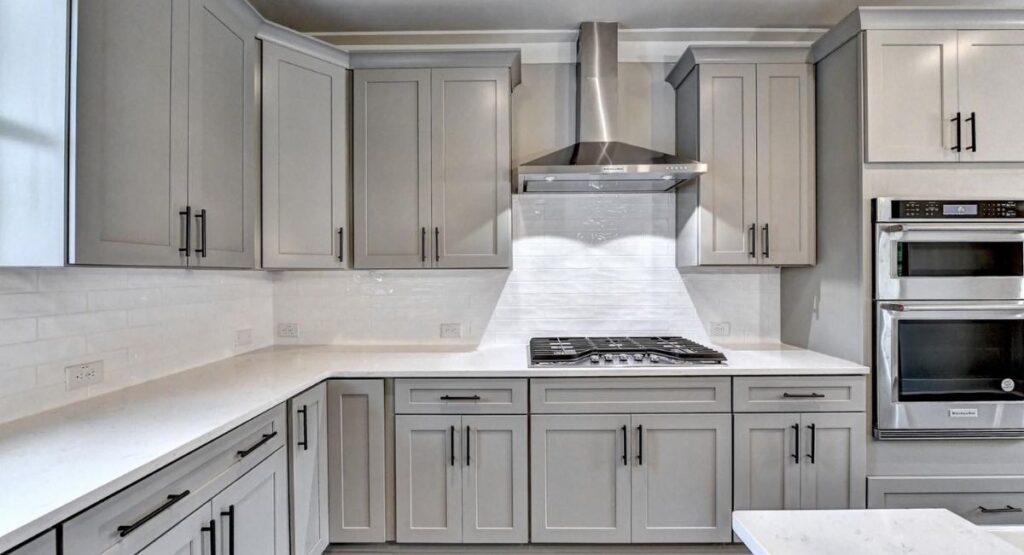
Factors That Affect the Cost of Painting Kitchen Cabinets
Several elements influence the total cost of cabinet painting. Understanding these factors can help you manage expenses and avoid surprises.
1. Kitchen Size and Number of Cabinets
The more cabinet doors and drawers you have, the higher the labor and material costs. Painters usually charge per door, per drawer, or per linear foot.
A small kitchen may have 10–15 doors, while a large kitchen can easily have 30 or more.
2. Cabinet Material
Cabinet material plays a major role in preparation and painting difficulty.
- Solid wood is ideal for painting and requires standard prep.
- MDF (Medium-Density Fiberboard) also paints well but needs careful priming.
- Laminate cabinets require special bonding primers.
- Thermofoil cabinets are difficult to paint and may increase labor costs.
If you have laminate or thermofoil cabinets, professionals may charge extra due to additional preparation requirements.
3. Surface Preparation
Preparation is the most labor-intensive part of cabinet painting. This includes:
- Removing doors and hardware
- Cleaning grease and grime
- Sanding or deglossing
- Repairing dents or cracks
- Priming surfaces
Skipping proper prep can result in peeling paint, so this step significantly impacts cost and quality.
4. Paint Quality and Finish
High-quality cabinet paint costs more but provides better durability. Cabinet-specific paints are formulated to resist chipping and moisture.
Common finishes include:
- Matte
- Satin
- Semi-gloss
- High-gloss
Semi-gloss and satin are the most popular for kitchens due to easy cleaning and durability.
Premium paint brands can cost $50–$100 per gallon, but they offer longer-lasting results.
5. Labor Costs
Labor typically accounts for 70–80% of the total cost in professional projects. Painters may charge:
- $20–$50 per linear foot
- $100–$200 per cabinet door
- Hourly rates between $40–$80
Location significantly affects labor pricing. Urban areas usually have higher rates compared to rural regions.
6. Additional Upgrades
Additional services can increase overall cost:
- Hardware replacement
- Soft-close hinge installation
- Minor repairs
- Crown molding painting
- Interior cabinet painting
Each add-on increases the final estimate but can enhance the finished look.
Cost Comparison: Painting vs Replacing Cabinets
Many homeowners consider replacing cabinets before discovering the cost difference.
Replacing kitchen cabinets typically costs $8,000 to $25,000 or more, depending on materials and customization.
Painting, on the other hand, costs significantly less while delivering a dramatic visual improvement. If your cabinets are in good structural condition, painting offers excellent value.
DIY Cabinet Painting Cost Breakdown
If you’re planning a DIY project, here’s what you might spend:
- Paint: $100–$300
- Primer: $30–$100
- Sandpaper and prep materials: $50–$150
- Brushes and rollers: $50–$150
- Paint sprayer (optional): $100–$400
DIY can save thousands in labor costs, but it requires patience, proper technique, and time. Expect the project to take 3–7 days depending on kitchen size.
Professional Cabinet Painting Process
Hiring professionals ensures a smoother finish and longer-lasting results. A typical process includes:
- Removing cabinet doors and labeling them
- Deep cleaning surfaces
- Sanding or chemical deglossing
- Repairing imperfections
- Applying primer
- Spraying or rolling multiple paint coats
- Reinstalling doors and hardware
Spray painting generally produces the smoothest factory-like finish but may cost slightly more than brushing or rolling.
Is It Worth Painting Kitchen Cabinets?
Yes, for many homeowners, painting cabinets offers one of the highest returns on investment in kitchen upgrades.
Benefits include:
- Increased home value
- Modernized appearance
- Cost savings compared to replacement
- Faster project completion
- Custom color flexibility
Neutral colors like white, gray, navy, and sage green remain popular for resale appeal.
Hidden Costs to Watch For
While estimates often seem straightforward, there are potential hidden expenses:
- Extensive grease buildup requiring deep cleaning
- Water damage repairs
- Structural cabinet damage
- Changing cabinet colors from dark to light (requires extra coats)
- Removing old oil-based finishes
Always request a detailed written estimate from professionals to avoid unexpected charges.
How Long Does Cabinet Paint Last?
With proper preparation and high-quality paint, professionally painted cabinets can last 8–15 years.
Durability depends on:
- Paint quality
- Surface prep
- Kitchen humidity
- Daily usage
- Cleaning habits
Regular gentle cleaning helps maintain the finish.
Best Time to Paint Kitchen Cabinets
Spring and fall are ideal seasons for cabinet painting because humidity levels are moderate. However, professionals work year-round.
If you’re scheduling around holidays or home sales, plan at least 2–3 weeks in advance.
How to Save Money on Cabinet Painting
If you’re budget-conscious, consider these tips:
- Remove hardware yourself
- Empty cabinets before painters arrive
- Keep the same hardware
- Choose mid-range paint
- Get multiple quotes
- Limit color changes
Small adjustments can reduce costs without sacrificing quality.
Signs You Should Replace Instead of Paint
Painting is not always the best solution. Consider replacement if:
- Cabinets are structurally damaged
- Layout no longer works for your needs
- Severe water damage exists
- Cabinets are low-quality particle board
In such cases, painting may only be a temporary fix.
Return on Investment (ROI)
Painting cabinets offers a strong ROI compared to full kitchen remodeling. It enhances visual appeal and makes the kitchen feel updated at minimal cost.
Real estate experts often recommend cabinet painting before listing a home, as kitchens heavily influence buyer decisions.
Final Thoughts on Cabinet Painting Costs
So, how much does it cost to paint kitchen cabinets? Most homeowners spend between $1,500 and $6,000 professionally or under $1,200 for DIY projects. The final price depends on cabinet size, material, labor rates, and paint quality.
If your cabinets are in good condition and you want a fresh, modern kitchen without the hefty renovation price tag, painting is an excellent solution. With proper planning, realistic budgeting, and quality materials, you can achieve a beautiful kitchen transformation that lasts for years.
Before starting, get detailed quotes, evaluate your cabinet condition, and decide whether professional services or DIY fits your time, skill level, and budget best.