
Why Antique White Cabinets Are a Timeless Kitchen Choice
Kitchen cabinets with antique white cabinetry remain one of the most timeless and elegant choices in home design. While modern trends often lean toward bold contrasts or ultra-minimalist tones, antique white continues to hold its place as a warm, inviting, and versatile option. It delivers brightness without harshness, character without heaviness, and sophistication without feeling overly formal.
Homeowners who choose antique white cabinets typically want a kitchen that feels welcoming, classic, and slightly refined. Whether you’re remodeling your space, building a new home, or repainting existing cabinets, understanding the value, cost, and design potential of antique white cabinetry is essential before making a final decision.
Below is a comprehensive guide covering style inspiration, costs, maintenance, benefits, and design combinations everything you need to know before choosing antique white kitchen cabinets.
What Are Antique White Kitchen Cabinets?
Antique white cabinets are not pure white. Instead, they feature a soft, creamy base with subtle warm undertones such as beige, ivory, or light taupe. The finish may include glazing or light distressing techniques that create depth and dimension, giving cabinets a gently aged appearance.
Unlike stark white kitchens that can sometimes feel clinical, antique white kitchens feel cozy and traditional. They work beautifully in farmhouse, transitional, traditional, rustic, and even Mediterranean-style homes.
The finish can be achieved through:
- Solid antique white paint
- Glazed antique white
- Distressed antique white
- Antique white with wood accents
This flexibility is one reason the style remains popular year after year.
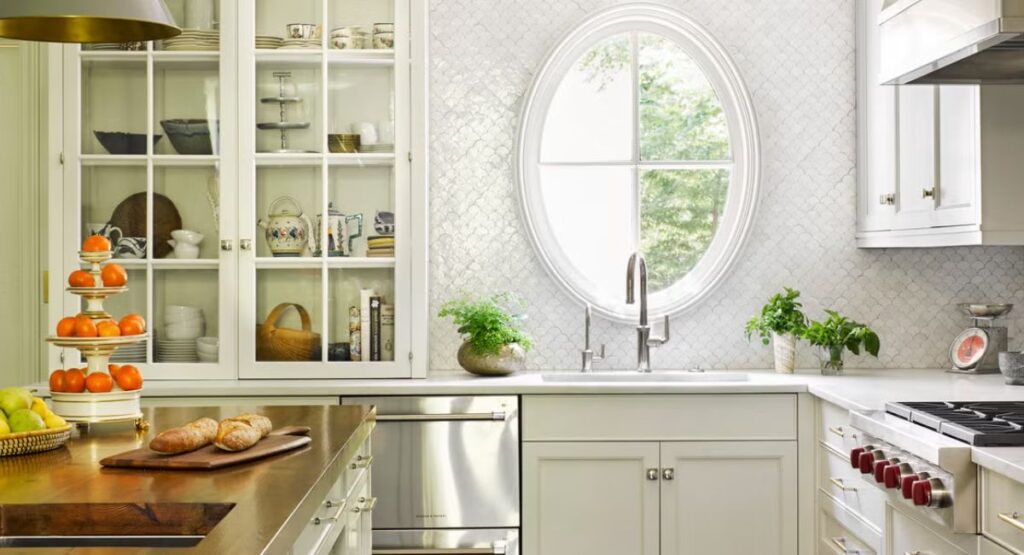
Why Homeowners Love Antique White Cabinetry
Antique white cabinetry offers several advantages beyond aesthetics. It enhances both visual appeal and functionality in a kitchen environment.
First, it brightens the space while maintaining warmth. Kitchens with darker floors or countertops benefit greatly from this soft contrast.
Second, antique white hides dust and minor wear better than bright white finishes. This makes it practical for busy households.
Third, it pairs beautifully with natural materials such as wood, granite, marble, and brick. This compatibility makes it easy to coordinate the rest of your kitchen design.
Finally, antique white never goes out of style. While color trends change frequently, this classic shade maintains long-term resale appeal.
Cost of Installing Antique White Kitchen Cabinets
The total cost of antique white kitchen cabinets depends on whether you are repainting existing cabinets or installing new ones.
Below is a detailed cost comparison:
| Cabinet Option | Average Cost Range | Best For |
|---|---|---|
| Repainting Existing Cabinets | $1,500 – $6,000 | Budget-friendly remodel |
| Stock Antique White Cabinets | $4,000 – $10,000 | Standard kitchen renovations |
| Semi-Custom Cabinets | $10,000 – $18,000 | Personalized layouts |
| Custom Antique White Cabinets | $18,000 – $35,000+ | High-end kitchen projects |
Repainting is significantly more affordable than full replacement. If your cabinets are structurally sound, repainting them antique white can deliver a dramatic transformation at a fraction of replacement costs.
Design Styles That Work Best with Antique White Cabinets
Antique white cabinetry adapts beautifully to various kitchen styles.
Farmhouse Kitchens
Pair antique white cabinets with butcher block countertops, apron-front sinks, and black hardware for a charming farmhouse aesthetic.
Traditional Kitchens
Combine raised-panel antique white cabinets with crown molding and decorative glass inserts for a classic look.
Transitional Kitchens
Use sleek hardware and quartz countertops to blend antique white cabinetry with modern elements.
Rustic Kitchens
Incorporate exposed wood beams, stone backsplashes, and warm lighting to complement the creamy undertones.
This versatility makes antique white a reliable choice regardless of your interior theme.
Best Countertops for Antique White Cabinets
Choosing the right countertop enhances the overall look of antique white cabinetry.
- Warm granite tones add richness.
- Marble creates an elegant, timeless feel.
- Quartz offers durability with minimal maintenance.
- Butcher block provides warmth and contrast.
- Dark countertops create dramatic contrast.
Neutral or warm-toned countertops usually work best, as they complement the subtle undertones of antique white rather than competing with them.
Hardware Choices That Enhance Antique White Cabinets
Hardware plays a crucial role in defining the final look of your kitchen.
Popular options include:
- Oil-rubbed bronze
- Antique brass
- Brushed nickel
- Matte black
- Champagne gold
Bronze and brass tones emphasize the vintage charm of antique white cabinets, while matte black creates modern contrast.
Lighting Considerations for Antique White Kitchens
Lighting affects how antique white cabinets appear. Since they contain warm undertones, proper lighting enhances their softness rather than making them look yellow.
Warm LED lighting (2700K–3000K) typically works best. Under-cabinet lighting adds dimension and highlights the detailing of glazed or distressed finishes.
Natural light further enhances the creamy tone, making the space feel open and welcoming.
Maintenance and Durability
Antique white cabinets are relatively easy to maintain.
To keep them looking fresh:
- Wipe spills immediately.
- Clean with mild soap and water.
- Avoid abrasive cleaners.
- Use microfiber cloths.
- Check hardware regularly for tightening.
High-quality enamel paint or factory finishes can last 8–15 years or longer with proper care.
Glazed finishes may require slightly more attention, as dirt can settle in decorative grooves if not cleaned routinely.
Pros and Cons of Antique White Cabinetry
Like any design choice, antique white cabinets come with advantages and considerations.
Pros
- Timeless appeal
- Increases brightness
- Complements many styles
- Strong resale value
- Hides minor dust
Cons
- May require occasional touch-ups
- Not ideal for ultra-modern minimalist designs
- Glazed finishes can cost more
- Warm undertones may clash with cool gray palettes
Understanding both sides ensures you make an informed decision.
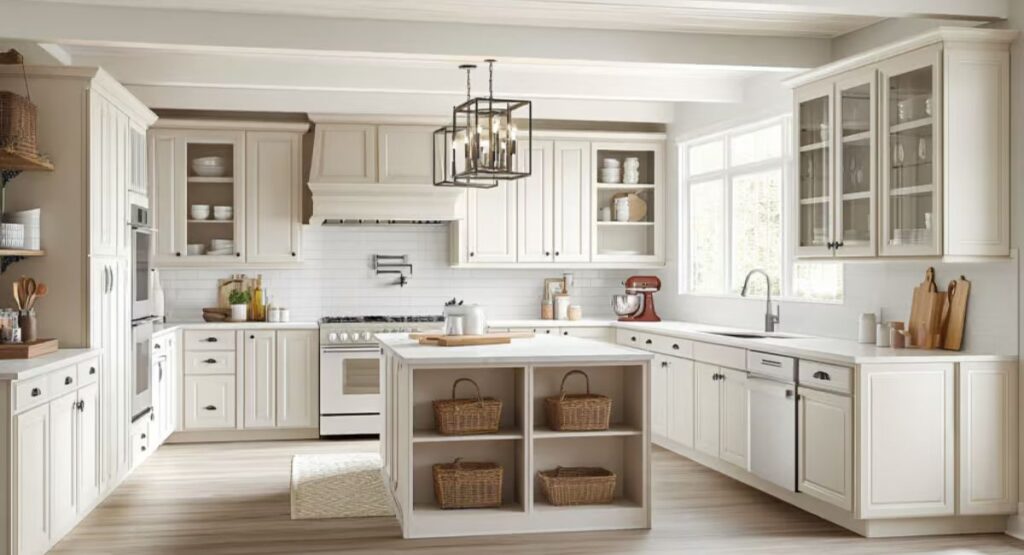
Is Antique White Still in Style?
Yes, antique white remains a popular and enduring cabinet color. While bold navy and dark green cabinets trend periodically, soft white variations consistently dominate kitchen design due to their universal appeal.
Homebuyers often prefer neutral kitchens, making antique white a safe and strategic investment if resale value matters.
Design trends may shift, but warm whites continue to be a staple in kitchen renovations across various price ranges.
How to Paint Cabinets Antique White
If you plan to repaint your cabinets instead of replacing them, preparation is key.
The process typically includes:
- Removing doors and hardware.
- Cleaning grease buildup.
- Sanding or deglossing surfaces.
- Applying primer.
- Painting with cabinet-grade enamel.
- Adding glaze (optional).
- Sealing with a protective topcoat.
DIY projects cost less but require patience and proper technique. Professional painting delivers smoother, longer-lasting results.
Antique White vs Pure White Cabinets
Understanding the difference helps clarify your choice.
Pure white cabinets are crisp and modern. They reflect more light and suit contemporary designs.
Antique white cabinets are warmer and softer. They create a welcoming atmosphere and feel less stark.
If you prefer cozy elegance over sharp minimalism, antique white is typically the better choice.
Return on Investment
Kitchen upgrades often provide strong returns, and cabinet refinishing ranks among the most cost-effective improvements.
Replacing cabinets is expensive, but painting them antique white can dramatically improve visual appeal without exceeding your renovation budget.
Because kitchens influence buyer perception significantly, a bright and updated cabinet finish often boosts resale potential.
Common Mistakes to Avoid
When choosing antique white cabinetry, avoid these errors:
- Selecting paint without testing samples in your lighting.
- Pairing with overly cool gray floors.
- Ignoring hardware coordination.
- Skipping proper surface preparation.
- Choosing low-quality paint to save money.
Small decisions can significantly impact the final result.
Final Thoughts
Kitchen cabinets with antique white cabinetry offer timeless beauty, warmth, and adaptability. Whether you choose to repaint existing cabinets or install new ones, this color delivers elegance without overwhelming the space.
Costs vary depending on project scope, but antique white remains a practical and stylish investment for both budget-friendly upgrades and high-end remodels. Its ability to complement various design styles ensures that your kitchen will feel inviting and refined for years to come.
If you are looking for a cabinet color that balances brightness, tradition, and long-term appeal, antique white cabinetry remains one of the most reliable and rewarding choices in kitchen design.