
Understanding Why Floor Tile Grout Gets Dirty
Floor tiles can stay shiny for years, but grout lines often become dark, stained, and unattractive over time. Grout is a porous material, meaning it easily absorbs dirt, moisture, grease, and bacteria. Every time someone walks across the floor, tiny particles of dust and debris settle into the grout lines. Over time, these particles build up and cause discoloration.
In kitchens and bathrooms, the situation can be even worse. Spilled liquids, soap residue, cooking oils, and moisture all contribute to grout stains. Because grout sits slightly lower than the tile surface, it becomes a natural collection point for grime. Regular mopping may clean the tiles but often leaves the grout lines untouched.
Many people assume the only solution is aggressive scrubbing with a brush. While scrubbing can work, it is time-consuming and can actually damage grout if done too harshly. Fortunately, there are several effective ways to clean floor tile grout without scrubbing. These methods rely on chemical reactions, steam, or soaking techniques that break down grime automatically.
Understanding how grout collects dirt helps homeowners choose the right cleaning strategy. Instead of spending hours on hands and knees scrubbing the floor, you can use simple methods that allow cleaning solutions to do the work for you.
Benefits of Cleaning Grout Without Scrubbing
Cleaning grout without scrubbing offers several advantages. One of the biggest benefits is saving time and physical effort. Scrubbing floors can be exhausting, especially in large areas like kitchens, hallways, or bathrooms. Non-scrub methods allow cleaning solutions to loosen dirt so that it rinses away easily.
Another advantage is protecting the grout itself. Excessive scrubbing can wear down grout lines and cause them to crack or crumble over time. When grout becomes damaged, moisture can seep underneath the tiles and lead to costly repairs. Gentle cleaning methods preserve the grout’s integrity and extend the life of the flooring.
Non-scrub cleaning techniques are also ideal for people with mobility issues or busy schedules. Instead of spending hours scrubbing floors, homeowners can apply a cleaning solution, let it sit, and rinse it away later. This approach is efficient and convenient.
Additionally, many no-scrub cleaning methods use household ingredients such as baking soda, vinegar, hydrogen peroxide, or oxygen bleach. These products are affordable, widely available, and often safer than harsh chemical cleaners.
Finally, using non-scrub cleaning techniques helps maintain a consistent cleaning routine. When the process becomes easier, people are more likely to clean grout regularly. This prevents deep stains from forming and keeps tile floors looking fresh and bright.
Using Baking Soda and Hydrogen Peroxide Soaking Method
One of the most effective ways to clean floor tile grout without scrubbing is by using a combination of baking soda and hydrogen peroxide. These two ingredients create a powerful cleaning reaction that breaks down stains and grime trapped in the grout.
Baking soda works as a gentle alkaline cleaner that dissolves grease and dirt. Hydrogen peroxide acts as a natural bleaching agent that helps remove discoloration and bacteria. When combined, they create a foaming reaction that lifts dirt from porous surfaces like grout.
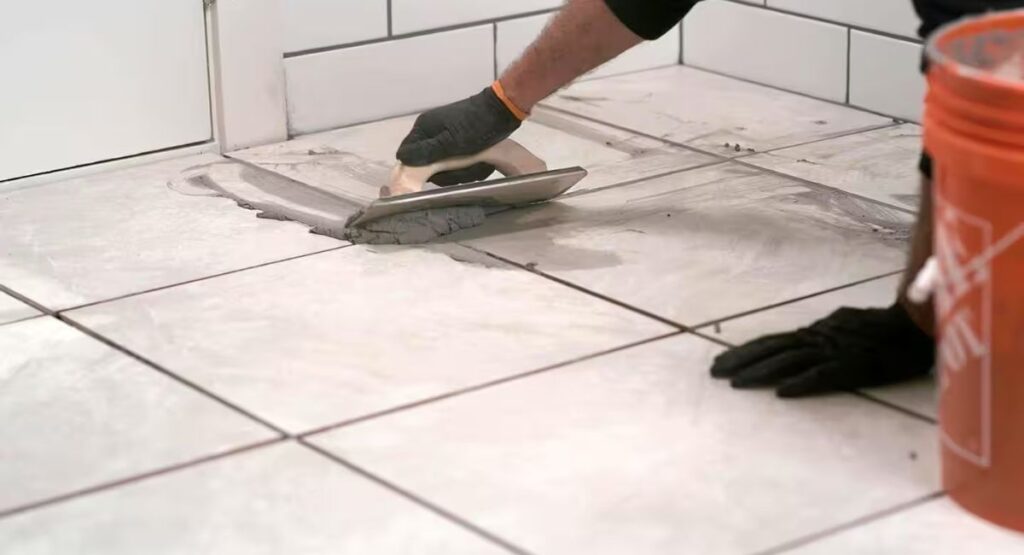
To start, mix baking soda and hydrogen peroxide in a bowl until you create a thick paste. Spread this paste directly onto the grout lines across the tile floor. Make sure the grout is completely covered so the mixture can penetrate deeply into the pores.
Once the paste is applied, allow it to sit for at least 20 to 30 minutes. During this time, the mixture will break down grime and stains without the need for scrubbing. The longer it sits, the more effective it becomes.
After the waiting period, simply rinse the floor with warm water and wipe the surface with a mop or cloth. Most of the loosened dirt will wash away easily. This method works especially well for moderately dirty grout lines and can significantly brighten the floor’s appearance.
Steam Cleaning for Deep Grout Cleaning
Steam cleaning is another powerful technique for cleaning floor tile grout without scrubbing. Steam cleaners use high-temperature water vapor to break down dirt, grease, and bacteria trapped inside grout lines.
The main advantage of steam cleaning is that it relies on heat rather than chemicals. The pressurized steam penetrates deep into the porous grout, loosening stubborn grime and killing bacteria at the same time. This makes it an excellent option for kitchens and bathrooms where hygiene is especially important.
To use this method, fill the steam cleaner with water and allow it to heat up according to the manufacturer’s instructions. Many steam cleaners come with a narrow nozzle attachment specifically designed for grout cleaning. This nozzle directs steam directly into the grout lines.
Move the nozzle slowly along the grout lines, allowing the steam to penetrate and loosen the dirt. As the steam works, grime will rise to the surface. After steaming, wipe the floor with a mop or cloth to remove the loosened residue.
Steam cleaning is highly effective for heavily stained grout and can restore grout lines that appear permanently dirty. It also eliminates bacteria and mold without using harsh chemicals.
Using Oxygen Bleach Solution
Oxygen bleach is another excellent solution for cleaning grout without scrubbing. Unlike chlorine bleach, oxygen bleach is gentler on surfaces and releases oxygen ions that break apart stains and organic matter.
To use this method, dissolve oxygen bleach powder in warm water according to the product instructions. Once the solution is ready, pour it directly onto the tile floor so it fully covers the grout lines.
Allow the solution to sit for about 30 to 60 minutes. During this soaking period, the oxygen molecules penetrate the grout and lift dirt particles to the surface. This process removes stains without the need for brushing or scrubbing.
After soaking, mop the floor with clean water to rinse away the solution and loosened dirt. Many homeowners notice a dramatic improvement in grout color after just one treatment.
Oxygen bleach is particularly effective for large tiled areas because it can be applied quickly and allowed to work across the entire floor at once.
Comparison of No-Scrub Grout Cleaning Methods
| Cleaning Method | Main Ingredient | Waiting Time | Best For | Effort Level |
|---|---|---|---|---|
| Baking Soda + Hydrogen Peroxide | Household ingredients | 20–30 minutes | Moderate stains | Low |
| Steam Cleaning | Heated water vapor | Immediate | Deep cleaning and sanitizing | Very Low |
| Oxygen Bleach Soak | Oxygen bleach powder | 30–60 minutes | Large areas with heavy stains | Low |
| Vinegar Solution | White vinegar | 15–20 minutes | Light stains and routine cleaning | Very Low |
Vinegar Spray Method for Light Grout Stains
For lightly stained grout, vinegar can be a quick and easy cleaning solution. White vinegar contains acetic acid, which dissolves mineral deposits, soap scum, and light dirt buildup.
To use this method, fill a spray bottle with equal parts white vinegar and warm water. Spray the solution generously along the grout lines and allow it to sit for about 15 to 20 minutes.
During this time, the vinegar will break down the dirt trapped in the grout. After the waiting period, mop the floor with warm water to rinse away the residue.
This method works best for routine maintenance rather than deep cleaning. It helps prevent stains from building up and keeps grout looking bright between deeper cleaning sessions.
However, vinegar should not be used on natural stone tiles such as marble or travertine because the acid can damage the stone surface.
Preventing Future Grout Stains
Once grout has been cleaned, the next step is preventing it from becoming dirty again. Regular maintenance can keep grout lines looking fresh and reduce the need for deep cleaning.
One of the most effective preventive steps is sealing the grout. Grout sealers create a protective barrier that prevents dirt, moisture, and spills from penetrating the surface. This makes routine cleaning much easier.
Another helpful habit is sweeping or vacuuming the floor frequently. Removing loose dirt prevents it from settling into grout lines and causing stains.
Mopping with a gentle floor cleaner once or twice a week can also maintain grout cleanliness. Avoid using excessive water, as standing moisture can promote mold growth in grout lines.
In kitchens, cleaning spills quickly is essential. Grease and food particles can quickly stain grout if left untreated. In bathrooms, improving ventilation helps reduce moisture buildup that leads to mold or mildew.
Common Mistakes to Avoid When Cleaning Grout
While cleaning grout may seem simple, certain mistakes can cause damage or reduce cleaning effectiveness. One common mistake is using extremely stiff brushes or metal tools. These can scratch the grout and create small cracks where dirt collects even more easily.
Another mistake is using harsh chemical cleaners too frequently. Strong chemicals may remove stains temporarily but can weaken grout over time. Gentle cleaning methods are usually safer for long-term maintenance.
Using too much water during cleaning is another issue. Excess moisture can seep under tiles and loosen adhesive layers, potentially causing tiles to shift.
Finally, skipping regular maintenance often leads to severe grout stains that require more intensive cleaning later. Cleaning grout periodically prevents stubborn buildup and keeps floors looking their best.
Final Thoughts on Cleaning Floor Tile Grout Without Scrubbing
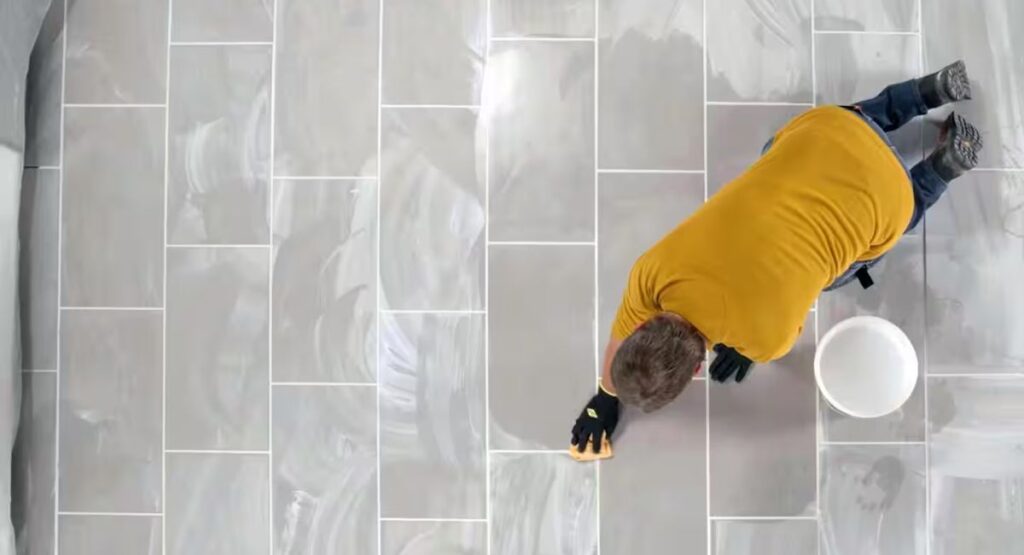
Cleaning floor tile grout does not have to involve hours of exhausting scrubbing. With the right techniques, dirt and stains can be removed using soaking solutions, steam cleaning, or oxygen-based cleaners that break down grime automatically.
Methods such as baking soda and hydrogen peroxide paste, oxygen bleach soaking, steam cleaning, and vinegar solutions allow homeowners to restore grout brightness with minimal effort. These approaches are not only easier but also help protect grout from unnecessary wear.
Regular maintenance, proper sealing, and quick spill cleanup can keep grout lines clean for longer periods. When combined with effective no-scrub cleaning techniques, these habits ensure that tile floors remain attractive and hygienic.
By choosing the right cleaning method and maintaining a consistent routine, homeowners can enjoy spotless tile floors without the discomfort and effort of traditional scrubbing.