
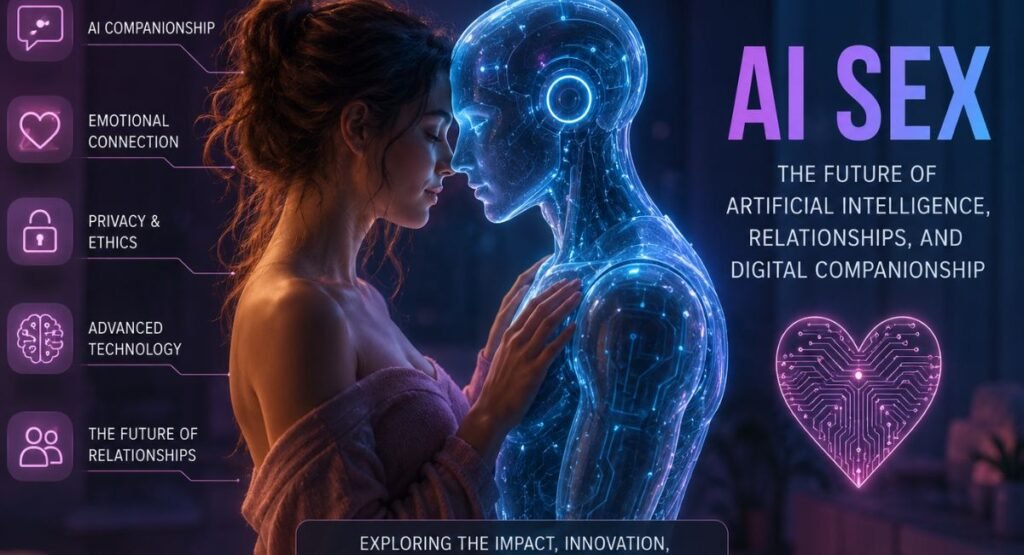
Introduction
Artificial intelligence has become one of the most influential technologies of the modern world. From smartphones and virtual assistants to advanced robotics and personalized digital experiences, AI is changing how humans communicate, work, and interact. One of the most discussed emerging topics is AI sex, a term often used to describe the connection between artificial intelligence and human intimacy, digital companionship, emotional interaction, and virtual relationships.
The growth of AI-powered companions has created new conversations about the future of human connection. Some people see AI relationships as an innovative way to experience companionship, while others raise questions about privacy, emotions, and the long-term effects of relying on technology for personal interactions.
AI sex is not only about technology but also about psychology, human behavior, creativity, and the changing definition of relationships in the digital age.
What Is AI Sex?
AI sex is a broad concept connected to artificial intelligence systems designed to provide companionship, emotional interaction, and personalized communication. These systems use advanced technologies to create human-like conversations and experiences.
Modern AI platforms can understand language, recognize patterns, remember previous interactions, and adjust their responses based on user preferences. This allows AI companions to appear more personal and engaging than traditional computer programs.
The idea behind AI-based companionship is not simply creating machines that communicate but developing digital systems that can understand human needs, emotions, and communication styles.
The Evolution of AI Companions
The development of AI companions has progressed rapidly over the past few years. Early chatbots were limited and could only respond to simple questions. Today, artificial intelligence can generate complex conversations and create experiences that feel much more natural.
AI companions are now being explored for different purposes, including:
- Providing social interaction
- Helping people practice communication
- Offering emotional support
- Creating personalized digital experiences
- Assisting with daily tasks
As technology continues to improve, AI companions are becoming more advanced, creating discussions about how humans may interact with digital beings in the future.
The Role of Artificial Intelligence in Modern Relationships
Relationships have always changed with technology. The internet, social media, and smartphones have already transformed how people meet and communicate. AI is the next step in this evolution.
AI can provide constant availability and personalized responses. Unlike human relationships, AI systems do not have personal schedules, moods, or limitations. This can make digital companionship attractive to some users.
However, human relationships involve experiences that technology cannot completely replace. Real connections include shared memories, physical presence, personal growth, and emotional understanding developed through life experiences.
The future may involve AI working alongside human relationships rather than replacing them.
How AI Creates Personalized Experiences
Artificial intelligence uses several technologies to create interactive experiences. Machine learning allows systems to study patterns and improve responses over time.
Natural language processing helps AI understand written and spoken communication. Generative AI allows systems to create unique conversations instead of repeating fixed answers.
Some important technologies behind AI companionship include:
| Technology | Role in AI Companionship |
|---|---|
| Machine Learning | Learns patterns and improves interactions |
| Natural Language Processing | Understands and responds to human language |
| Generative AI | Creates personalized conversations |
| Voice Recognition | Enables voice-based communication |
| Virtual Reality | Creates immersive digital environments |
These technologies are making AI interactions more realistic and personalized.
Why People Are Interested in AI Relationships
There are many reasons why people explore AI companionship. Modern lifestyles can sometimes create loneliness, stress, and limited opportunities for social interaction.
Some individuals may enjoy AI companions because they provide the following:
Availability
AI systems can communicate anytime, making them accessible whenever someone wants interaction.
Personalization
AI can adapt to individual preferences and communication styles, creating a unique experience for each user.
Comfort
Some people find digital conversations helpful because they provide a space to express thoughts without fear of judgment.
Curiosity
Many people are interested in exploring new technology and understanding what future relationships with AI might look like.
Emotional Connection With Artificial Intelligence
One of the most interesting aspects of AI companionship is emotional connection. Humans naturally respond to communication, personalities, and familiar patterns. When AI creates realistic conversations, some users may feel a sense of attachment.
This raises important questions:
- Can a machine understand emotions?
- Can digital companionship create meaningful experiences?
- How should society define relationships with AI?
While AI can simulate emotional responses, it does not experience feelings in the same way humans do. The connection comes from the interaction between human emotions and advanced technology.
Privacy and Data Concerns
Privacy is one of the biggest issues surrounding AI technology. AI systems often process information to improve their performance. This means users should understand how their data is collected, stored, and protected.
Important privacy considerations include:
- Protecting personal conversations
- Understanding data policies
- Choosing reliable platforms
- Maintaining control over personal information
As AI becomes more integrated into personal lives, privacy protection will become increasingly important.
Ethical Questions About AI Companionship
The rise of AI relationships creates new ethical discussions. Technology companies must consider how AI systems are designed and how they affect users.
Some ethical questions include:
- Should AI clearly identify itself as a machine?
- How can emotional dependency be managed?
- What responsibilities do developers have?
- How can users maintain healthy digital habits?
These questions show that AI development is not only about creating powerful technology but also about considering human well-being.
The Future of AI and Human Interaction
The future of AI companionship is likely to become more advanced. Future systems may include improved voices, realistic virtual characters, and deeper personalization.
Artificial intelligence may become a regular part of everyday life, helping people communicate, learn, and manage different aspects of their lives.
However, the most successful future will likely focus on balance. AI can be a useful tool for connection and creativity, while human relationships remain an important part of society.
AI Sex and Popular Culture
AI and digital relationships have become common topics in movies, books, and online discussions. Many science-fiction stories explore worlds where humans interact closely with intelligent machines.
These stories often examine questions about identity, emotions, and what it means to be human. As AI technology develops, these fictional ideas are becoming part of real-world conversations.
Benefits of AI Companionship
AI companionship may offer several potential benefits:
- Increased access to conversation
- Support for people experiencing isolation
- New forms of creativity
- Personalized digital assistance
- Opportunities for learning and communication practice
Like any technology, the benefits depend on responsible use.
Challenges of AI Relationships
Despite its possibilities, AI companionship also has challenges.
People may need to consider the following:
- The difference between human and artificial emotions
- The importance of real-world connections
- Digital privacy risks
- Overdependence on technology
Understanding these challenges can help society develop healthier ways to use AI.
Conclusion
AI sex represents a growing conversation about artificial intelligence, companionship, and the future of human interaction. It combines advanced technology with questions about emotions, relationships, and society.
Artificial intelligence is changing how people communicate and experience digital connection. While AI can create impressive and personalized interactions, it also requires thoughtful discussion about ethics, privacy, and balance.
The future of AI companionship will depend on how humans choose to develop and use this technology. With responsible innovation, AI can become a powerful tool that enhances human experiences in the digital age.