
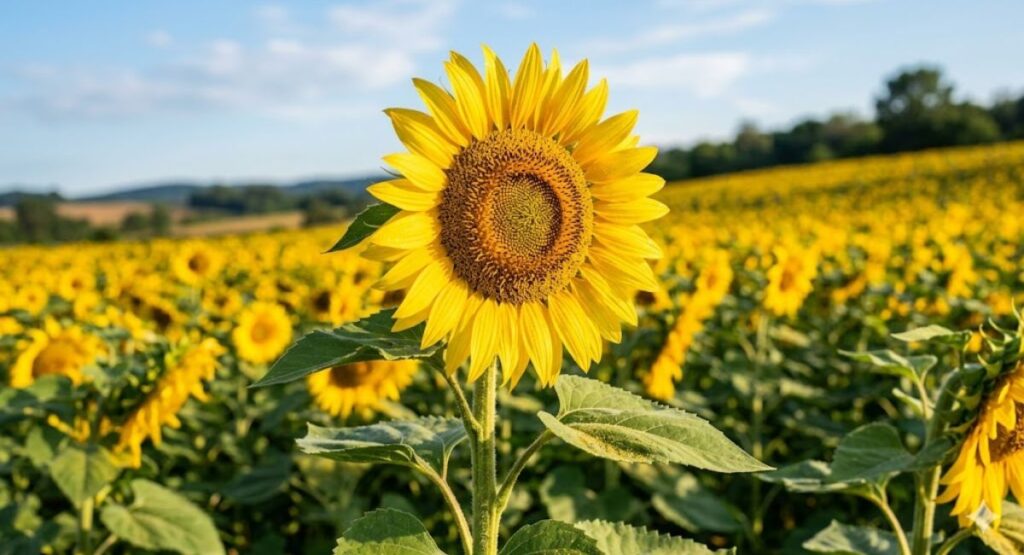
Introduction to Sunflower Growing Season
Sunflowers are among the most known for their bright yellow petals and tall, majestic stems. Whether you are a beginner gardener or an experienced grower, understanding the sunflower growing season is essential to achieving healthy plants and abundant blooms.
The growing season of sunflowers depends on climate, soil conditions, and the variety you choose. These plants thrive in warm weather and require proper timing for planting to ensure optimal growth. When grown correctly, sunflowers not only enhance the beauty of your garden but can also provide seeds for snacks, oil, or bird feed.
In this comprehensive guide, you’ll learn everything about the sunflower growing season from the best planting time to harvesting techniques so you can grow vibrant and productive sunflowers in your garden.
Understanding the Sunflower Growing Season
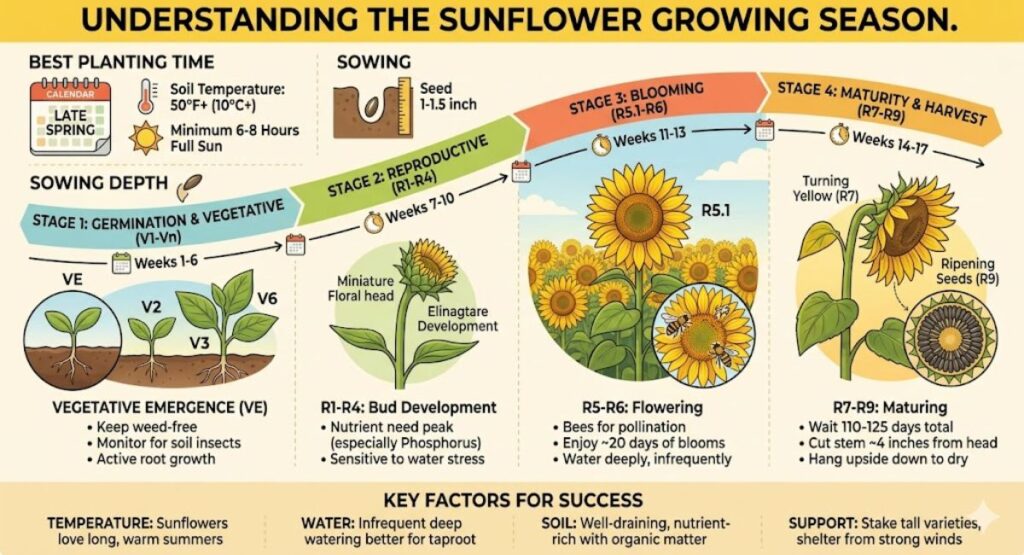
The sunflower growing season typically spans from spring to late summer. These plants are warm-season annuals, meaning they complete their life cycle within a single growing season.
Sunflowers grow best when the soil temperature reaches around 10–12°C (50–55°F). Planting too early in cold soil can delay germination or damage seeds. Once planted, most sunflower varieties take between 70 to 100 days to fully mature, depending on the type.
The key stages of the sunflower growing season include germination, vegetative growth, budding, flowering, and seed development. Each stage requires proper care and environmental conditions to ensure successful growth.
Best Time to Plant Sunflowers
Timing plays a critical role in sunflower cultivation. The ideal planting time is after the last frost in spring when the soil has warmed up.
In warmer regions, planting can begin as early as late February or March. In cooler climates, it’s best to wait until April or May. For continuous blooms, many gardeners plant sunflower seeds in intervals of 2–3 weeks.
If you live in areas with long summers, you can extend the growing season by planting multiple batches. This ensures a steady supply of flowers throughout the season.
Climate Requirements for Sunflowers
Sunflowers thrive in warm and sunny conditions. They require at least 6 to 8 hours of direct sunlight daily to grow properly.
These plants prefer temperatures between 20°C to 30°C (68°F to 86°F). While they are relatively drought-tolerant, consistent moisture is important during early growth stages.
Wind can sometimes damage tall sunflower varieties, so choosing a sheltered location or providing support can help protect them.
Soil Preparation for Optimal Growth
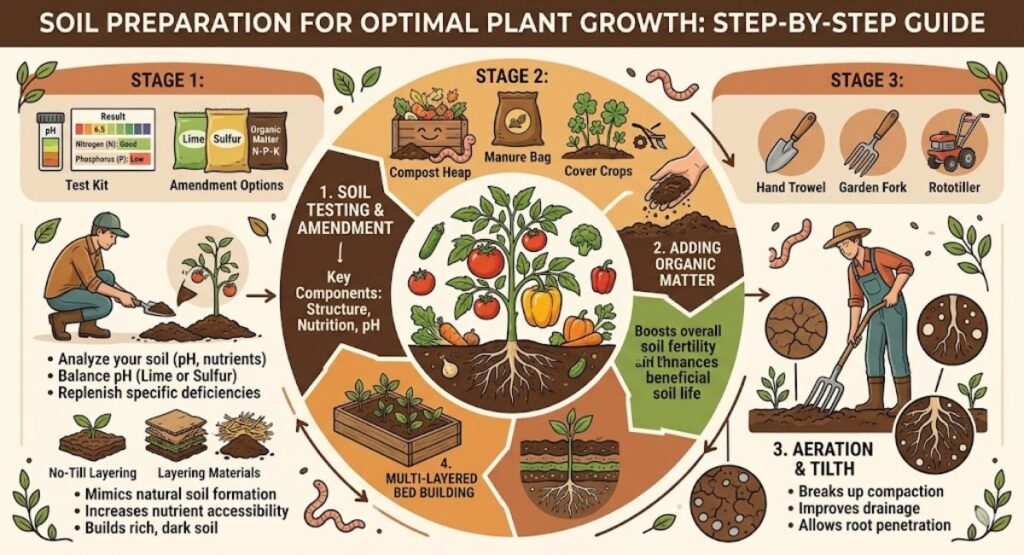
Healthy soil is the foundation of a successful sunflower growing season. Sunflowers prefer well-drained soil that is rich in organic matter.
Before planting, loosen the soil to a depth of at least 12–15 inches. Adding compost or well-rotted manure can improve soil fertility and structure.
The ideal soil pH for sunflowers ranges from 6.0 to 7.5. Avoid waterlogged soil, as it can lead to root rot and other issues.
Choosing the Right Sunflower Variety
There are many types of sunflowers available, and choosing the right one depends on your goals.
Tall varieties like Mammoth sunflowers can grow up to 10–12 feet and produce large seed heads. Dwarf varieties are perfect for small gardens or containers. Some sunflowers are grown purely for ornamental purposes, while others are cultivated for seed production.
Understanding the variety helps determine spacing, care, and the length of the growing season.
Sunflower Growth Stages Explained
Sunflowers go through several important stages during their growing season.
The first stage is germination, which usually occurs within 7–10 days after planting. Next comes the seedling stage, where the plant develops its first true leaves.
During the vegetative stage, the plant grows taller and stronger. This is followed by the budding stage, where flower heads begin to form. Finally, the flowering stage brings bright blooms, followed by seed development.
Each stage requires proper watering, sunlight, and care to ensure healthy growth.
Watering and Fertilization Tips
Proper watering is essential during the sunflower growing season. While mature sunflowers can tolerate dry conditions, young plants need consistent moisture.
Water deeply but less frequently to encourage strong root growth. Avoid overwatering, as it can harm the plant.
Fertilization should be moderate. Too much nitrogen can lead to tall plants with fewer flowers. A balanced fertilizer or compost is usually sufficient for healthy growth.
Sunflower Growing Season Timeline
Below is a simple timeline to help you understand the sunflower growth cycle:
| Stage | Time Duration | Key Activities |
|---|---|---|
| Germination | 7–10 days | Seeds sprout and roots develop |
| Seedling | 2–3 weeks | Leaves form and plant stabilizes |
| Vegetative Growth | 3–5 weeks | Rapid height and leaf growth |
| Budding | 2–3 weeks | Flower heads begin forming |
| Flowering | 2–4 weeks | Bright blooms appear |
| Seed Development | 3–4 weeks | Seeds mature for harvest |
Common Problems During the Growing Season
Like any plant, sunflowers can face challenges during their growing season.
Pests such as aphids and caterpillars can damage leaves and stems. Birds and squirrels may also target seeds. Using natural pest control methods can help protect your plants.
Diseases like powdery mildew and root rot can occur due to poor air circulation or overwatering. Proper spacing and watering techniques can prevent most issues.
How to Extend the Sunflower Growing Season
If you want to enjoy sunflowers for a longer period, there are several strategies you can use.
Plant seeds in intervals every few weeks to ensure continuous blooming. Choose varieties with different maturity times to extend the flowering period.
In warmer climates, you can even plant sunflowers later in the season for autumn blooms. Using mulch can help retain soil moisture and regulate temperature.
Harvesting Sunflowers at the Right Time
Harvesting is one of the most rewarding parts of the sunflower growing season. The right time to harvest depends on your purpose.
For decorative flowers, cut them when petals have fully opened. For seeds, wait until the back of the flower head turns yellow or brown and seeds become firm.
Dry the harvested heads in a well-ventilated area before removing seeds. Proper harvesting ensures high-quality seeds for consumption or planting.
Benefits of Growing Sunflowers
Sunflowers offer numerous benefits beyond their beauty. They attract pollinators like bees and butterflies, which support your garden ecosystem.
They can also improve soil health and are sometimes used in crop rotation. Sunflower seeds are nutritious and can be used for food or oil production.
Additionally, sunflowers can serve as natural shade or windbreaks in gardens.
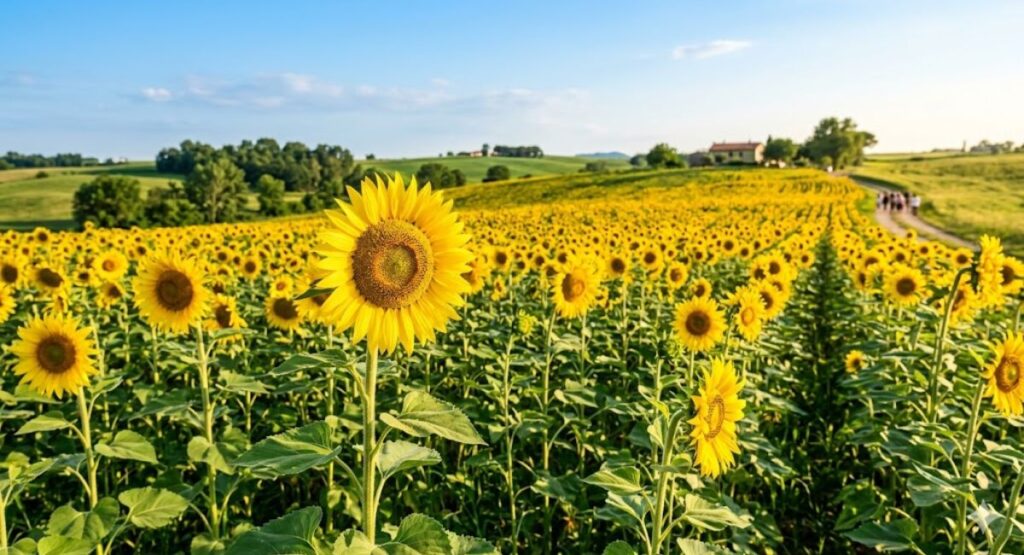
Tips for Beginners to Grow Sunflowers Successfully
If you’re new to gardening, sunflowers are a great place to start.
Choose a sunny location, prepare your soil well, and plant seeds at the right time. Keep the soil moist during early growth and avoid over-fertilizing.
Provide support for tall varieties and protect your plants from pests. With minimal effort, you can enjoy beautiful blooms throughout the season.
Conclusion
Understanding the sunflower growing season is the key to growing healthy and vibrant plants. From planting at the right time to providing proper care throughout each stage, every step plays an important role.
Sunflowers are not only easy to grow but also incredibly rewarding. With the right knowledge and techniques, you can enjoy a garden full of bright, cheerful blooms and even harvest your own seeds.
Whether you’re growing them for decoration, food, or environmental benefits, sunflowers are a perfect addition to any garden.
FAQs About Sunflower Growing Season
When is the best month to plant sunflowers?
The best time is after the last frost in spring, usually between March and May depending on your climate.
How long do sunflowers take to grow?
Most sunflowers take 70 to 100 days from planting to full maturity.
Can sunflowers grow in pots?
Yes, dwarf varieties grow well in containers as long as they receive enough sunlight and proper care.
Do sunflowers need a lot of water?
They need regular watering during early stages but become drought-tolerant once established.
Can I plant sunflowers in summer?
Yes, in regions with long growing seasons, you can plant them in early summer for late-season blooms.
Why are my sunflowers not blooming?
This could be due to lack of sunlight, poor soil, or excessive nitrogen fertilizer.
Do sunflowers come back every year?
Most sunflowers are annuals, meaning they complete their life cycle in one season and do not return the next year unless replanted.