
Introduction
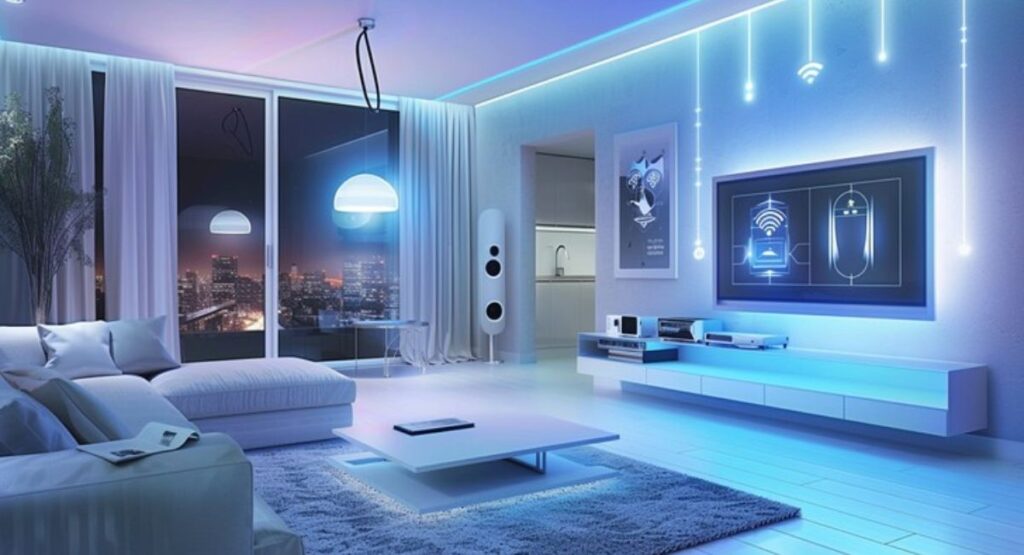
Lighting is one of the most important yet often overlooked elements of home design. Many homeowners spend thousands on furniture, paint colors, flooring, and décor but fail to realize that the right lighting fixtures can completely transform the appearance and atmosphere of a space. Good lighting does far more than brighten a room. It creates mood, highlights architectural details, improves comfort, and enhances the overall beauty of a home.
Modern lighting fixtures are available in countless styles, sizes, and designs, making them a powerful decorative feature rather than just a practical necessity. From elegant chandeliers to sleek pendant lights and minimalist wall sconces, the right lighting choices can elevate both modern and traditional interiors. Proper lighting also makes rooms feel larger, warmer, and more inviting while increasing the visual value of the entire property.
In today’s interior design trends, lighting is considered a key part of creating a stylish and functional living environment. Understanding how lighting affects aesthetics can help homeowners make smarter design decisions and create spaces that feel balanced, luxurious, and comfortable.
Why Lighting Matters in Home Design
Lighting affects how people experience a space emotionally and visually. A poorly lit room can feel dull, cramped, or uncomfortable, even if the furniture and décor are expensive. On the other hand, well-planned lighting creates warmth, depth, and elegance.
Different types of lighting serve different purposes. Ambient lighting provides general illumination, task lighting improves visibility for specific activities, and accent lighting highlights decorative features. Combining these layers creates a balanced and visually pleasing environment.
Lighting also influences color perception. Natural and artificial light can change how paint colors, fabrics, and textures appear inside a room. This is why designers carefully plan lighting placement and fixture selection during interior projects.
1. Lighting Fixtures Create a Strong First Impressio
The entrance of a home sets the tone for the entire interior, and lighting plays a major role in shaping that first impression. A beautiful chandelier in the foyer or stylish pendant lights near the entrance instantly create a sense of elegance and sophistication.
Guests often notice lighting before they notice furniture or decorative details. Statement fixtures act as focal points that add personality and visual interest to a space. Even simple homes can appear more luxurious when the lighting is thoughtfully chosen.
Exterior lighting also contributes to curb appeal. Wall-mounted lanterns, pathway lights, and modern outdoor fixtures enhance the appearance of a property while making it feel more welcoming and secure.
2. Proper Lighting Makes Rooms Feel Larger and More Open
One of the most effective ways to improve the appearance of a room is through strategic lighting placement. Dark spaces often feel smaller and less inviting, while bright and evenly lit rooms appear more spacious and airy.
Ceiling lights combined with wall sconces and floor lamps help distribute light evenly throughout a room. Mirrors can also reflect light and create the illusion of extra space. In smaller homes or apartments, proper lighting can dramatically improve the perception of room size without requiring renovations.
Natural light is equally important. Large windows, sheer curtains, and skylights help maximize daylight, creating a fresh and open atmosphere that artificial lighting alone cannot fully achieve.
3. Lighting Enhances Interior Décor and Architectural Features
Good lighting fixtures help showcase the best parts of a home. Accent lighting can highlight artwork, textured walls, bookshelves, fireplaces, or decorative furniture pieces. Without proper lighting, many beautiful design details remain unnoticed.
Architectural features such as ceiling beams, alcoves, staircases, and molding become more visually appealing when illuminated correctly. LED strip lights, recessed lighting, and spotlights are commonly used to emphasize these elements.
Layered lighting also adds depth and dimension to interiors. Instead of making a room look flat, multiple light sources create shadows and highlights that give the space character and sophistication.
4. Modern Lighting Fixtures Add Style and Personality
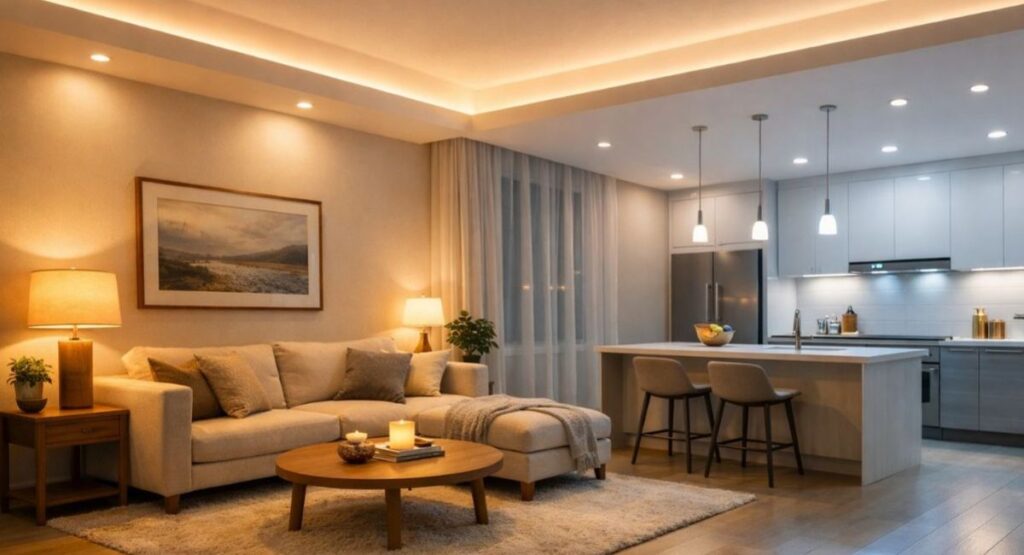
Lighting fixtures themselves have become major design elements in modern homes. They are no longer just functional objects but decorative pieces that contribute to the room’s overall style.
Minimalist pendant lights complement contemporary interiors, while crystal chandeliers add elegance to classic spaces. Industrial-style fixtures with exposed bulbs create a bold urban look, and rustic lanterns bring warmth to farmhouse-inspired homes.
Choosing the right fixture allows homeowners to express personal taste and strengthen the theme of a room. A carefully selected lighting fixture can become the centerpiece of the entire design.
5. Lighting Improves Mood and Comfort
The atmosphere of a room depends heavily on lighting. Bright white lights create an energetic and productive environment, making them ideal for kitchens and workspaces. Warm lighting creates relaxation and comfort, which is perfect for bedrooms and living rooms.
Dimmable lighting systems allow homeowners to adjust brightness according to mood and activity. Soft lighting during evenings creates a cozy and peaceful environment, while brighter settings are better for social gatherings or daily tasks.
This emotional impact is one of the reasons why lighting is such a powerful design tool. A beautifully designed room can still feel uncomfortable if the lighting does not match the intended mood.
6. Layered Lighting Creates a Luxurious Look
Professional interior designers rarely rely on a single light source. Instead, they use layered lighting to create a more polished and luxurious appearance. This involves combining ambient, task, and accent lighting within the same room.
For example, a living room may include ceiling lights for general brightness, table lamps for reading, and wall lighting for decoration. This layered approach creates balance and prevents spaces from looking overly harsh or dull.
Luxury hotels and high-end homes often use layered lighting because it creates depth, warmth, and sophistication. Homeowners can achieve a similar effect by strategically mixing different lighting fixtures and intensities.
7. Smart Lighting Adds Modern Elegance
Smart home technology has transformed modern lighting design. Smart lighting systems allow homeowners to control brightness, color temperature, and schedules through smartphones or voice assistants.
These systems improve convenience while adding a modern and sophisticated touch to interiors. Homeowners can create customized lighting scenes for movie nights, dinner parties, or relaxation with a single command.
Color-changing LED systems also allow users to experiment with different moods and aesthetics. Smart lighting combines functionality with modern design, making homes feel more advanced and personalized.
| Lighting Type | Main Purpose | Best Location |
|---|---|---|
| Ambient Lighting | General illumination | Living rooms, bedrooms |
| Task Lighting | Focused visibility | Kitchens, offices |
| Accent Lighting | Highlight décor | Artwork, shelves |
| Pendant Lights | Decorative focus | Dining areas, kitchens |
| Chandeliers | Luxury appearance | Entryways, dining rooms |
| Wall Sconces | Soft layered lighting | Hallways, bedrooms |
| Smart Lighting | Adjustable ambiance | Entire home |
Choosing the Right Lighting Fixtures for Your Home
Selecting the right lighting fixtures requires careful planning. Homeowners should consider room size, ceiling height, interior style, and natural light availability before making decisions.
Large fixtures work best in spacious rooms with high ceilings, while compact lights are better suited for smaller spaces. The finish and material of the fixture should also complement furniture and décor elements.
Energy efficiency is another important factor. LED lighting has become the preferred option because it lasts longer and consumes less electricity than traditional bulbs.
Common Lighting Mistakes to Avoid
One of the biggest mistakes homeowners make is relying on only one overhead light source. This often creates flat and unbalanced lighting. Another mistake is choosing fixtures that are either too large or too small for the room.
Ignoring color temperature can also negatively affect aesthetics. Extremely cool lighting may feel harsh in cozy spaces, while overly warm lighting can reduce brightness in work areas.
Poor fixture placement is another common issue. Lights should be positioned strategically to avoid shadows, glare, or uneven illumination.
The Future of Home Lighting Design
Lighting technology continues to evolve rapidly. Smart systems, motion sensors, and energy-efficient LEDs are becoming standard in modern homes. Designers are also focusing more on sustainable and customizable lighting solutions.
Future lighting trends are expected to emphasize automation, personalization, and minimalistic aesthetics. Integrated lighting systems hidden within ceilings, furniture, and walls are becoming increasingly popular in contemporary architecture.
As homes become smarter and more connected, lighting will continue to play a major role in both functionality and interior beauty.
Conclusion
Good lighting fixtures have the power to completely transform the aesthetics of a home. They improve ambiance, highlight design features, create comfort, and add personality to interiors. Whether through elegant chandeliers, modern pendant lights, layered lighting, or smart systems, the right lighting choices make spaces feel more stylish, spacious, and inviting.
Lighting is no longer just about visibility. It is now an essential part of interior design that influences how a home looks and feels every day. Homeowners who invest in quality lighting fixtures not only improve their living experience but also increase the visual appeal and value of their property.