
Introduction: Why Door Types and Locks Matter in Every Home
Doors are one of the most important elements of any home or building. They serve multiple purposes, including security, privacy, insulation, and aesthetic appeal. While many homeowners focus on furniture and interior decoration, the choice of door types and locks is equally critical for ensuring safety and functionality.
A well-designed door not only enhances the appearance of a home but also acts as a protective barrier against intruders, harsh weather, and noise. Similarly, locks play a vital role in protecting personal property and providing peace of mind. Selecting the right combination of door materials and locking mechanisms helps create a secure and comfortable living environment.
Today, homeowners have access to a wide range of door styles and lock technologies designed for different purposes. Understanding these options can help individuals make informed decisions when building or renovating their homes.
Understanding the Role of Doors in Modern Homes
Doors are much more than simple entry points. In modern architecture, they contribute significantly to both functionality and design. Exterior doors protect the interior of the home from weather conditions and unauthorized access, while interior doors create separation between different living spaces.
The design, material, and construction of doors influence their durability, insulation properties, and security level. For example, a solid wooden door may provide better insulation and privacy, whereas a glass door may enhance natural lighting and visual openness.
By carefully selecting door types based on location and purpose, homeowners can achieve both practicality and visual appeal.
Common Types of Doors Used in Residential Buildings
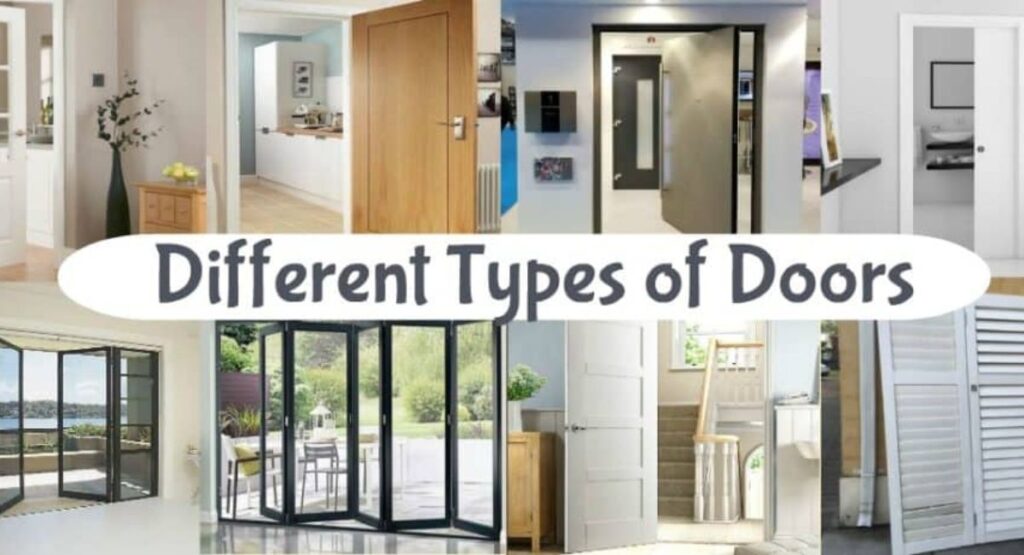
There are many types of doors available, each designed for specific applications within a home. Understanding the characteristics of each type helps homeowners select doors that best match their needs.
Hinged doors are the most common type found in homes. They are attached to the frame with hinges and swing open in one direction. These doors are widely used for both interior and exterior entrances due to their simplicity and reliability.
Sliding doors operate by sliding horizontally along a track. They are often used for patios, balconies, and closets because they save space and allow for larger openings.
French doors consist of two panels that open outward or inward from the center. These doors typically include glass panels that allow natural light to pass through, making them popular for connecting indoor and outdoor spaces.
Pocket doors slide into a hidden compartment inside the wall when opened. They are ideal for small rooms where space is limited.
Bi-fold doors consist of multiple panels that fold together when opened. They are commonly used for closets, laundry rooms, and storage areas.
Each door type offers unique advantages depending on the design and layout of the home.
Materials Used for Door Construction
Door materials play a crucial role in determining durability, security, and maintenance requirements. Different materials offer different benefits depending on the environment and purpose of the door.
Wooden doors are popular because of their classic appearance and natural insulation properties. They are strong and durable, but they may require regular maintenance to protect against moisture and weather damage.
Steel doors are known for their strength and security. They are commonly used for exterior entrances because they provide excellent protection against forced entry.
Fiberglass doors are highly durable and resistant to weather conditions. They require minimal maintenance and can mimic the appearance of wood while offering better resistance to moisture and temperature changes.
Glass doors are often used for patios and interior spaces where natural light is desired. These doors may include tempered or laminated glass to improve safety and durability.
Selecting the right material ensures that the door performs effectively while complementing the overall design of the home.
The Importance of Door Locks for Security
While doors provide a physical barrier, locks are the mechanisms that secure them. A high-quality lock significantly increases the safety of a home by preventing unauthorized access.
Modern locking systems are designed to withstand tampering, forced entry, and lock-picking attempts. They also provide convenience through advanced technologies such as electronic access and remote control.
Choosing the right lock depends on several factors, including the location of the door, the level of security required, and personal convenience preferences.
Common Types of Door Locks
There are many types of door locks available, each designed to offer different levels of security and functionality.
Deadbolt locks are among the most secure locking options for residential doors. They use a solid metal bolt that extends deep into the door frame, making them difficult to force open.
Knob locks are commonly used for interior doors. While convenient, they are generally not recommended as the primary lock for exterior doors because they can be easier to break.
Lever handle locks are frequently used in commercial buildings and modern homes. They are easy to operate and often combined with additional locking mechanisms for enhanced security.
Smart locks represent a newer technology that allows homeowners to control door access using smartphones, keypads, or biometric authentication. These locks offer convenience and remote monitoring capabilities.
Mortise locks are heavy-duty locks often used in high-security applications. They are installed within a pocket inside the door and provide strong resistance against forced entry.
Each lock type offers unique benefits, and many homeowners choose to combine multiple locks for additional security.
Matching Door Types with the Right Locks
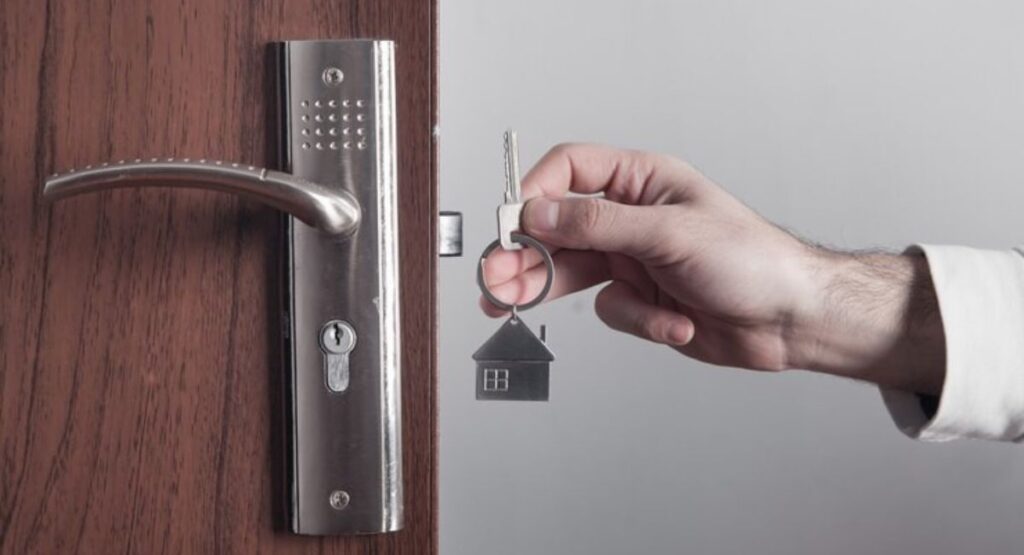
Selecting the right lock for each door type is essential for achieving optimal security and functionality. Exterior entry doors usually require stronger locking systems, while interior doors may only need basic privacy locks.
For example, main entrance doors often use deadbolt locks combined with handle sets for maximum protection. Patio sliding doors may include specialized sliding locks or security bars to prevent forced opening.
Interior bedroom or bathroom doors typically use simple latch locks that provide privacy without requiring complex security mechanisms.
By matching locks appropriately with door types, homeowners can create a balanced security system throughout the house.
Door and Lock Options Comparison
| Door Type | Common Lock Type | Key Benefit |
|---|---|---|
| Hinged door | Deadbolt lock | Strong security for main entrances |
| Sliding door | Sliding bolt lock | Saves space and allows wide openings |
| French door | Multi-point lock | Secure closure for double doors |
| Pocket door | Privacy latch | Ideal for small rooms |
| Bi-fold door | Surface bolt | Suitable for closets and storage areas |
Modern Innovations in Door Security
Technology has transformed the way doors and locks function in modern homes. Smart home systems now allow homeowners to control door locks remotely using mobile devices.
Smart locks can send notifications when doors are opened or closed, providing real-time monitoring. Some systems also allow temporary access codes for guests or service providers.
Biometric locks that use fingerprint recognition are becoming increasingly popular because they eliminate the need for traditional keys. These advanced systems improve both convenience and security.
As technology continues to evolve, door security solutions are becoming more integrated with home automation systems.
Maintenance Tips for Doors and Locks
Proper maintenance is essential for ensuring the long-term performance of doors and locks. Regular inspection helps identify signs of wear or damage before they become serious problems.
Lubricating locks periodically prevents internal components from sticking or wearing out. Hinges should also be checked and tightened if necessary to ensure smooth door movement.
For exterior doors, weatherproofing and repainting may be required to protect against environmental damage. Maintaining these components helps extend their lifespan while ensuring reliable security.
How Door and Lock Choices Affect Home Value
The quality of doors and locks can influence the overall value of a property. Homes with strong security features and durable entry systems often attract more potential buyers.
Stylish and well-designed doors also contribute to curb appeal, making the property more visually attractive. Modern locking technologies may also appeal to buyers who value convenience and advanced home security.
Investing in high-quality doors and locks not only improves safety but also enhances the long-term value of a home.
Conclusion
Doors and locks play a fundamental role in protecting homes, ensuring privacy, and enhancing overall design. With a wide variety of door types and locking systems available, homeowners have many options to choose from based on their security needs and architectural preferences.
By understanding the characteristics of different door materials, styles, and lock mechanisms, homeowners can make informed decisions that balance security, durability, and aesthetic appeal.
Careful selection and proper maintenance of doors and locks ensure that homes remain safe, functional, and visually appealing for many years. Investing in the right combination of door types and locking systems is therefore an important step toward creating a secure and comfortable living environment.