
Understanding the Shift in Modern Door Design
In recent years, homeowners and designers have increasingly leaned toward modern solutions that maximize space, light, and functionality. Among these, sliding doors have gained significant popularity. But does that mean they are truly better than traditional hinged doors?
The answer isn’t as simple as yes or no. Both options have their strengths and limitations, and the best choice depends on your home’s layout, lifestyle, and priorities. This article explores the key differences to help you make an informed decision.
What Are Modern Sliding Doors?
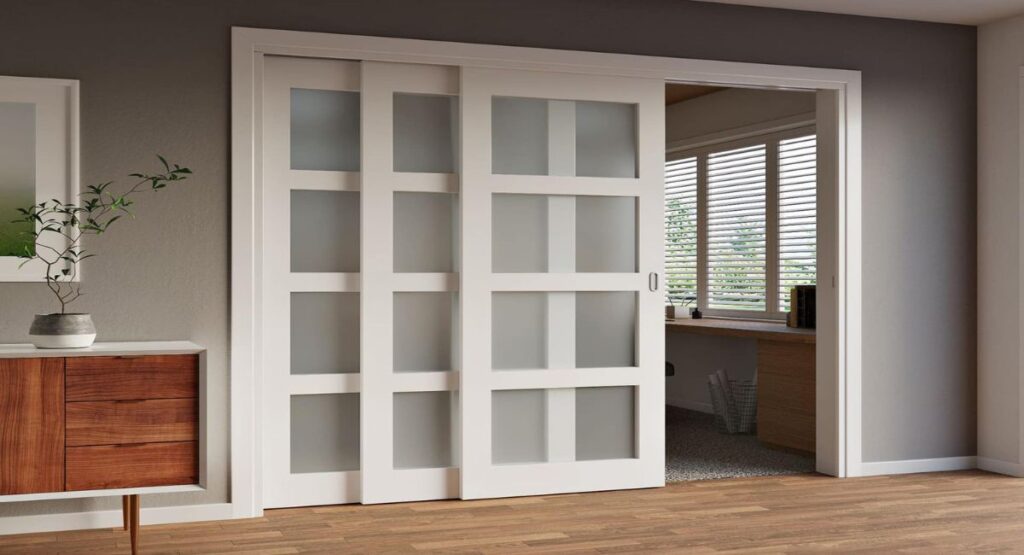
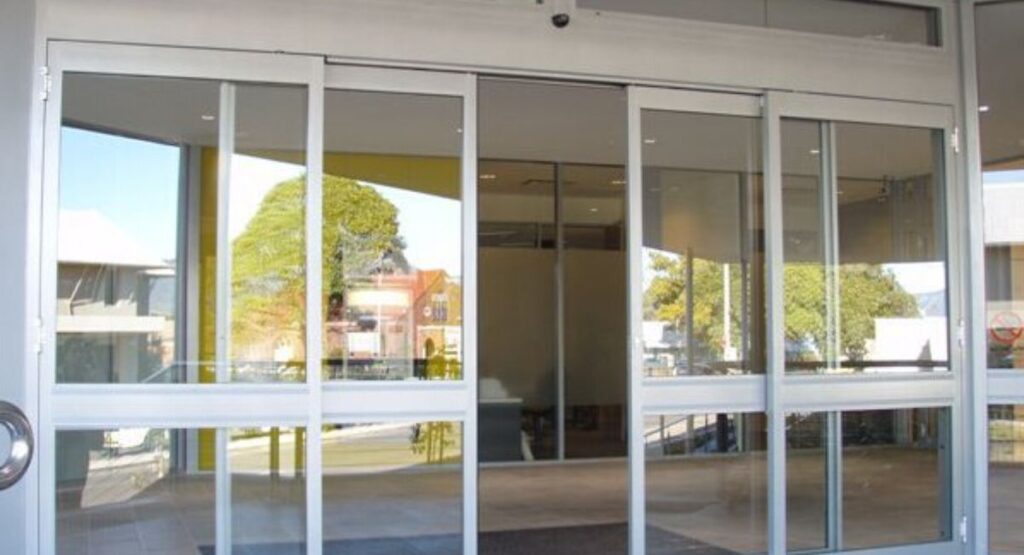
Modern sliding doors operate on a horizontal track system, allowing panels to glide smoothly from one side to another. They are commonly used for patios, balconies, and interior partitions, offering a sleek and contemporary look.
These doors often feature large glass panels, minimal frames, and advanced materials designed for durability and energy efficiency. Their design emphasizes openness, making them a favorite in modern architecture.
What Defines Traditional Doors?
Traditional doors, also known as hinged doors, swing open either inward or outward. They are the most common type found in homes worldwide and come in a wide range of materials, styles, and finishes.
From classic wooden entry doors to panel doors used indoors, traditional doors are known for their versatility and timeless appeal.
Space Efficiency: A Clear Winner?
One of the biggest advantages of sliding doors is their space-saving design. Since they move along a track instead of swinging open, they don’t require extra clearance space.
This makes them ideal for smaller rooms, apartments, or areas where maximizing usable space is essential.
Traditional doors, on the other hand, need sufficient room to open and close. In tight spaces, this can be a limitation, especially in compact homes.
Natural Light and Aesthetic Appeal
Sliding doors excel when it comes to bringing in natural light. Their large glass panels allow sunlight to flood into the room, creating a bright and open atmosphere.
They also offer uninterrupted views of the outdoors, which is perfect for homes with gardens, patios, or scenic surroundings.
Traditional doors can include glass panels, but they generally don’t match the openness and visual impact of sliding doors.
Ventilation and Airflow
When it comes to ventilation, both door types have their benefits. Sliding doors allow partial opening, giving you control over airflow.
However, traditional doors can be fully opened, allowing maximum ventilation when needed. This can be especially useful in areas where airflow is crucial.
Security Considerations
Security is a major factor when choosing any door. Traditional doors often have an edge here due to their robust locking systems and solid construction.
Sliding doors, especially older models, have been criticized for weaker security. However, modern sliding doors now come with advanced locking mechanisms, shatter-resistant glass, and reinforced frames, significantly improving their safety.
Still, proper installation and quality materials are essential to ensure security for either option.
Energy Efficiency and Insulation
Modern sliding doors are designed with energy efficiency in mind. Double or triple-glazed glass, weather seals, and insulated frames help maintain indoor temperatures.
However, because they rely heavily on glass, they may still lose more heat compared to solid traditional doors if not properly insulated.
Traditional doors, especially those made from wood, steel, or fiberglass, often provide better insulation due to their solid cores.
Ease of Use and Accessibility
Sliding doors are generally easy to operate, requiring minimal effort to open and close. This makes them a great option for children, elderly individuals, or people with mobility issues.
Traditional doors can sometimes be harder to manage, especially if they are heavy or poorly aligned.
However, sliding doors require clean and well-maintained tracks to function smoothly, while traditional doors are less dependent on such mechanisms.
Maintenance Requirements
Maintenance is another important consideration. Sliding doors require regular cleaning of tracks and rollers to ensure smooth operation.
Dust, debris, or damage to the track can cause issues over time.
Traditional doors are generally easier to maintain. Occasional lubrication of hinges and repainting or polishing is usually enough to keep them in good condition.
Cost Comparison
Sliding doors are typically more expensive than traditional doors, especially when you opt for high-quality materials and large glass panels.
Installation costs can also be higher due to the complexity of the track system.
Traditional doors are more budget-friendly and widely available, making them a practical choice for many homeowners.
Durability and Longevity
Both door types can be durable if made from quality materials. Sliding doors with aluminum or uPVC frames and tempered glass can last for many years.
However, their moving parts, such as rollers and tracks, may require occasional replacement.
Traditional doors, particularly those made from solid wood or steel, are known for their long lifespan and sturdy construction.
Style and Design Flexibility
Sliding doors are synonymous with modern and minimalist design. They work best in contemporary homes that emphasize open spaces and clean lines.
Traditional doors offer greater variety in terms of design, making them suitable for both classic and modern interiors.
If you’re aiming for a timeless look, traditional doors might be the better option.
Noise Reduction and Privacy
Traditional doors generally provide better sound insulation and privacy due to their solid structure.
Sliding doors, especially those with large glass panels, may allow more noise to pass through unless they are specially designed with soundproofing features.
Privacy can also be a concern with sliding doors, although this can be addressed with curtains, blinds, or frosted glass.
Safety for Families
For families with children, safety is an important factor. Sliding doors with large glass panels can pose a risk if not made from tempered or laminated glass.
Traditional doors are generally safer in this regard, as they are less likely to shatter.
However, modern sliding doors have improved significantly in safety standards, making them a viable option for families.
Environmental Impact
Sliding doors that maximize natural light can reduce the need for artificial lighting, contributing to energy savings.
Traditional doors, depending on the material, can also be eco-friendly—especially if made from sustainably sourced wood or recyclable materials.
Choosing energy-efficient options in either category can help minimize environmental impact.
When Should You Choose Sliding Doors?
Sliding doors are an excellent choice if you want to save space, enhance natural light, and achieve a modern aesthetic.
They are particularly suitable for patios, balconies, and areas where indoor and outdoor spaces connect.
When Are Traditional Doors the Better Option?
Traditional doors are ideal when security, insulation, and cost are your top priorities.
They are also better suited for main entrances and areas where privacy and durability are essential.
Final Verdict: Which One Is Better?
Modern sliding doors are not universally better than traditional doors they are simply better for specific needs.
If you value space efficiency, natural light, and contemporary design, sliding doors are a fantastic option. On the other hand, if you prioritize security, insulation, and affordability, traditional doors remain a reliable choice.
Conclusion: Making the Right Choice for Your Home
Ultimately, the decision comes down to your lifestyle, budget, and design preferences. Many homeowners even choose to use both types in different parts of their homes to enjoy the benefits of each.
By understanding the strengths and limitations of modern sliding doors and traditional doors, you can make a smart, balanced decision that enhances both the functionality and beauty of your living space.