Introduction to Children Room Decoration

Children’s room decoration is more than just choosing colorful paint or placing a bed in the corner. It is about creating a safe, creative, comfortable, and inspiring environment where a child can sleep, play, learn, and grow. A well-designed kids’ room supports emotional development, imagination, and even learning habits.
Modern interior design trends focus on blending functionality with fun. Parents now prefer smart storage, themed rooms, educational décor, and flexible furniture that grows with the child. Whether it is a toddler’s playful space or a teenager’s modern room, thoughtful decoration makes a big difference.
In this detailed guide, we will explore creative ideas, design tips, themes, furniture choices, and essential elements of children room decoration that can transform any ordinary space into a magical one.
Table of Contents
- Importance of Children Room Decoration
- Choosing the Right Color Scheme
- Furniture Ideas for Kids’ Rooms
- Creative Themed Room Designs
- Storage Solutions for Small Spaces
- Lighting and Ambience Ideas
- Wall Decoration and Art Ideas
- Safety Tips for Children Rooms
- Comparison Table: Room Styles
- FAQs
Importance of Children Room Decoration
A child’s room is not just a sleeping area it is their personal world. Proper decoration helps in:
- Encouraging creativity and imagination
- Improving focus and learning habits
- Providing emotional comfort and security
- Supporting better sleep routines
- Teaching organization skills early
Studies in child psychology suggest that environment plays a major role in cognitive development. A well-decorated room can stimulate curiosity and learning.
Parents should aim to balance beauty with practicality so the room remains both fun and functional.
Choosing the Right Color Scheme

Color is one of the most important elements in children room decoration. It affects mood, behavior, and even sleep quality.
Popular color choices include:
- Soft Pastels: Light pink, baby blue, mint green for calming effects
- Bright Colors: Yellow, orange, and red for energy and creativity
- Neutral Tones: Beige, white, and grey for modern minimalist style
- Theme Colors: Based on cartoons, space, jungle, or ocean themes
A good idea is to mix a neutral base with colorful accents. For example, white walls with colorful furniture or themed bedding create a balanced look.
Furniture Ideas for Kids’ Rooms

Furniture plays a key role in both comfort and functionality. Kids need furniture that is safe, durable, and adaptable.
Essential furniture pieces:
- Bed: Single beds, bunk beds, or loft beds for saving space
- Study Table: Encourages learning habits and homework discipline
- Storage Units: Drawers, shelves, and toy organizers
- Seating Area: Small chairs or bean bags for reading and play
Modern designs include multi-functional furniture, such as beds with built-in storage or desks that can be adjusted as the child grows.
Rounded edges and strong materials are essential for safety.
Creative Themed Room Designs

Themed rooms are extremely popular because they make children feel like they are inside their favorite world.
Popular themes include:
- Space Theme: Planets, rockets, stars, and glowing lights
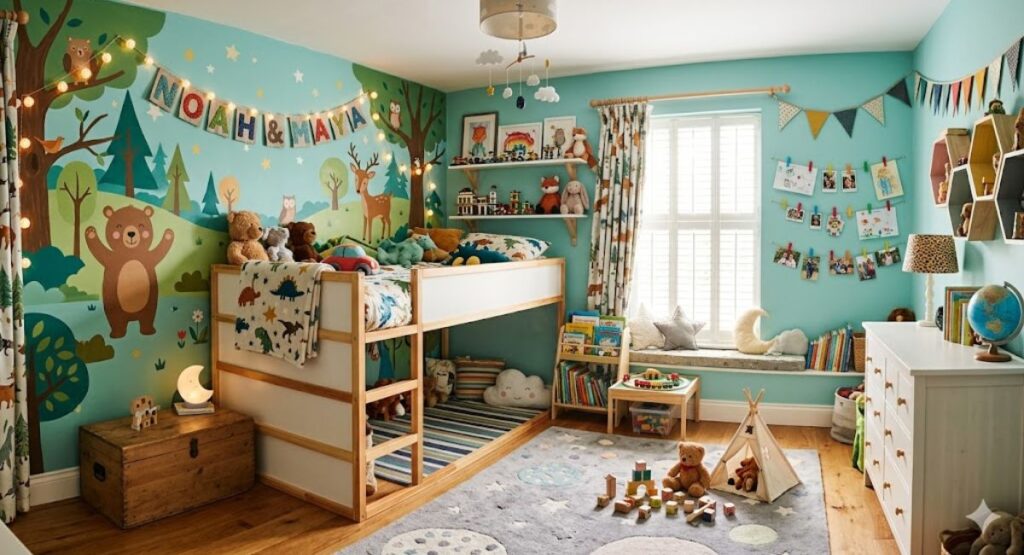
- Jungle Theme: Animals, green colors, and nature wall art
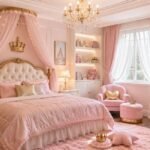
- Princess Theme: Soft pink tones, fairy lights, and elegant décor
- Superhero Theme: Bold colors, comic designs, and action figures
Themes can be created using wallpapers, bedding sets, curtains, and wall stickers. The key is not to overdo it balance is important so the room doesn’t feel crowded.
Storage Solutions for Small Spaces
Children’s rooms often become messy due to toys, books, and clothes. Smart storage solutions are essential.
- Under-bed storage drawers
- Wall-mounted shelves
- Toy baskets and bins
- Multi-level cabinets
- Hanging organizers behind doors
Proper storage not only keeps the room clean but also teaches children the importance of organization and responsibility.
Foldable furniture is also a great solution for small rooms.
Lighting and Ambience Ideas
Good lighting improves both functionality and mood in a child’s room.
- Natural Light: Large windows are ideal for daytime brightness
- Ceiling Lights: Soft white lighting for general use
- Study Lamps: Focused lighting for reading and homework
- Night Lights: Helps children feel safe during sleep
Decorative lights like fairy lights or star projectors can make the room more magical and comforting.
Wall Decoration and Art Ideas
Walls are a blank canvas in children room decoration.
Creative ideas include:
- Wall stickers (animals, stars, cartoons)
- Chalkboard walls for drawing
- Photo frames with family pictures
- Educational charts (alphabets, numbers, maps)
- 3D wall art or shelves
Wall decoration adds personality to the room and makes it visually interesting.
Safety Tips for Children Rooms
Safety should always come first when designing a kids’ room.
- Avoid sharp-edged furniture
- Secure heavy items to walls
- Use non-toxic paint and materials
- Keep electrical outlets covered
- Ensure proper ventilation
A safe room allows children to play and explore freely without risk.
Comparison Table: Room Styles
| Style Type | Main Features | Best For Age Group | Mood Created |
|---|---|---|---|
| Modern Minimal | Simple, clean, neutral tones | 8–15 years | Calm & focused |
| Themed Rooms | Cartoon, space, jungle themes | 3–10 years | Fun & creative |
| Luxury Kids Room | Stylish furniture, soft decor | 10–16 years | Elegant & cozy |
| Educational Room | Books, study areas, charts | All ages | Learning-focused |
FAQs
Q: What is the best color for a children’s room?
A: Soft pastel colors are best because they create a calm and balanced environment.
Q: How can I decorate a small kids’ room?
A: Use multi-functional furniture and vertical storage to save space.
Q: Are themed rooms a good idea?
A: Yes, but they should be simple and not overly crowded.
Q: What type of lighting is best for kids’ rooms?
A: A mix of natural light, soft ceiling lights, and night lights is ideal.
Q: How do I make a room safe for children?
A: Use rounded furniture, secure heavy items, and avoid hazardous materials.
Conclusion
Children room decoration is all about creating a balanced environment where creativity, comfort, and safety come together. A well-designed room not only looks beautiful but also supports a child’s emotional and intellectual growth.
From color selection to furniture, lighting, and themes, every detail plays an important role. With thoughtful planning, any space can be transformed into a magical world where children feel happy, safe, and inspired every day.