Why Pot Painting Is a Great Activity for Kids
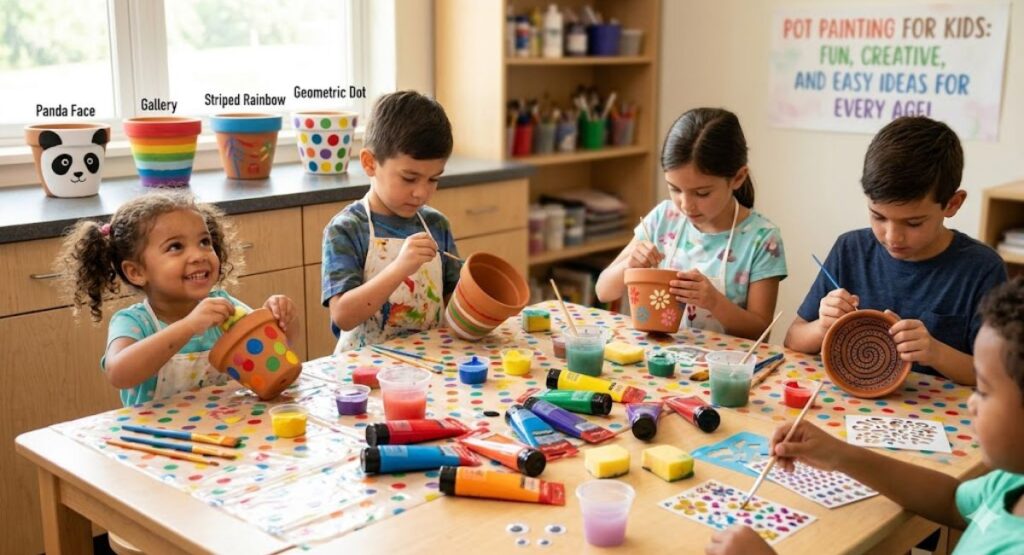
Pot painting is one of the most fun and creative activities for children. It allows kids to express their imagination while learning valuable artistic and motor skills. Whether done at home, in school, or during summer activities, painting flower pots keeps children engaged in a productive and entertaining way.
Kids enjoy working with colors, patterns, and designs, especially when they can turn a simple clay pot into something unique and beautiful. Parents and teachers also love this activity because it encourages creativity without requiring expensive materials.
Another reason pot painting for kids has become popular is that it combines art with gardening. After decorating the pots, children can plant flowers, herbs, or small plants inside them. This teaches responsibility and helps kids connect with nature.
Pot painting projects can be simple for younger children or more detailed for older kids. From cartoon characters to rainbow designs and animal faces, the possibilities are endless.
Materials Needed for Pot Painting
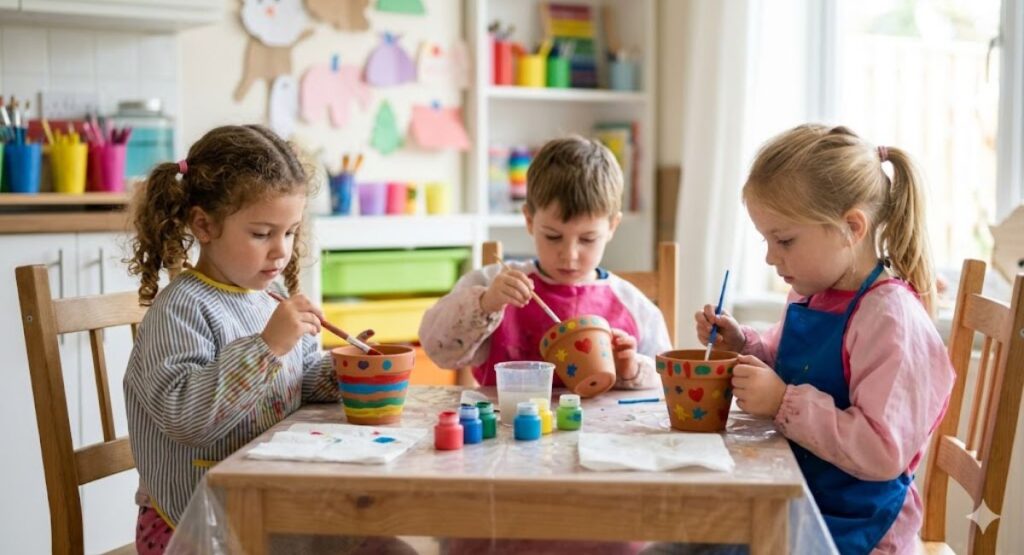
Before starting, it is important to gather the right supplies. Most pot painting materials are affordable and easy to find.
| Material | Purpose |
|---|---|
| Clay or terracotta pots | Main painting surface |
| Acrylic paints | Bright and long-lasting colors |
| Paintbrushes | For detailed painting |
| Sponges | Create textures and patterns |
| Water cup | Cleaning brushes |
| Apron or old clothes | Protect clothing from paint |
| Sealant spray | Protect finished designs |
| Markers or pens | Add details and outlines |
Using washable paints for younger children can make cleanup easier and safer.
Choosing the Right Pots for Kids
Terracotta pots are the most common choice for children’s painting activities. Their smooth surface absorbs paint well and allows bright colors to stand out beautifully.
Small pots are usually better for younger kids because they are easier to hold and paint. Larger pots give older children more space for detailed artwork.
Plastic pots can also be used, but paint may not stick as effectively unless the surface is prepared properly.
Preparing the Pot Before Painting
Preparing the surface correctly helps paint last longer and look more vibrant.
First, clean the pot to remove dust or dirt. If using terracotta pots, some people lightly sand rough areas for a smoother finish.
Applying a white base coat can make colors appear brighter. This step is optional but especially useful for colorful or pastel designs.
Allow the base layer to dry completely before adding artwork.
Easy Pot Painting Ideas for Kids
Simple designs are often the most enjoyable for children because they allow creativity without frustration.
Rainbow Pots
Kids love rainbow colors because they are cheerful and easy to paint. Children can create stripes, swirls, or dripping rainbow effects around the pot.
Animal Face Pots
Animal-themed pots are very popular. Kids can paint:
- Cats
- Dogs
- Frogs
- Ladybugs
- Pandas
- Bees
Adding googly eyes makes the pots even more fun and interactive.
Polka Dot Designs
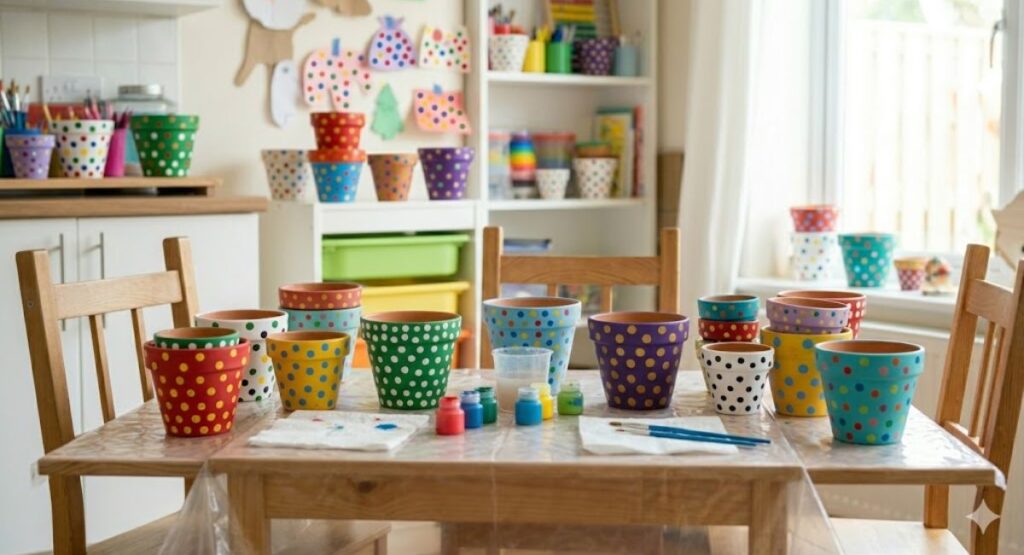
Polka dots are perfect for younger children. Using cotton swabs or sponge brushes makes creating dots easy and enjoyable.
Cartoon Character Pots
Older kids often enjoy painting favorite cartoon or superhero characters on their pots.
Nature-Inspired Designs
Flowers, butterflies, leaves, clouds, and suns create beautiful outdoor-themed pots.
Educational Benefits of Pot Painting
Pot painting is more than just a fun activity. It also helps children develop important skills.
Improves Creativity
Children learn to experiment with colors, patterns, and artistic ideas.
Builds Fine Motor Skills
Holding brushes and painting details improves hand coordination and control.
Encourages Patience
Waiting for paint layers to dry teaches patience and focus.
Boosts Confidence
Completing a creative project gives children a sense of accomplishment and pride.
Supports Emotional Expression
Art activities help kids express emotions and ideas in a healthy and positive way.
Pot Painting for Different Age Groups
Different age groups enjoy different levels of artistic complexity.
Toddlers and Preschoolers
Younger children benefit from:
- Finger painting
- Handprint designs
- Simple dots and shapes
- Sponge stamping
Washable non-toxic paints are safest for this age group.
Elementary School Kids
Children aged 6–10 often enjoy:
- Animal themes
- Flower patterns
- Cartoon characters
- Colorful geometric shapes
Older Kids and Teens
Older children may prefer:
- Detailed artwork
- Inspirational quotes
- Abstract designs
- Aesthetic patterns
- Trendy minimalist art
Best Paints for Pot Painting
Acrylic paint is usually considered the best option because it dries quickly and offers vibrant colors.
Washable tempera paints are good for younger children but may not last as long outdoors.
Paint pens and markers can also help create outlines and small details.
For outdoor pots, waterproof sealants protect artwork from rain and sunlight.
How to Seal Painted Pots
Sealing the finished pot helps preserve colors and prevents paint from peeling.
Clear acrylic spray sealants are commonly used for this purpose. Adults should handle spray products for safety reasons.
Brush-on sealants can also work well for indoor projects.
Allow the pot to dry fully before planting flowers or placing it outdoors.
Indoor and Outdoor Uses for Painted Pots
Painted pots can be used in many creative ways around the home.
Indoor Decoration
Kids can display painted pots in bedrooms, study areas, or windowsills.
Garden Decoration
Outdoor painted pots brighten patios, gardens, and balconies.
Gift Ideas
Hand-painted pots make thoughtful gifts for:
- Parents
- Grandparents
- Teachers
- Friends
Adding a small plant makes the gift even more special.
School Art Projects
Many schools use pot painting for seasonal art activities and craft competitions.
Seasonal Pot Painting Ideas
Seasonal themes make pot painting even more exciting.
Spring Designs
Flowers, butterflies, and pastel colors are perfect for spring.
Summer Themes
Beach scenes, suns, ice creams, and tropical colors create fun summer pots.
Halloween Pots
Pumpkin faces, ghosts, and black-orange color schemes are popular during Halloween.
Christmas Pot Painting
Snowflakes, Santa faces, and Christmas trees make festive holiday crafts.
Pot Painting Party Ideas
Pot painting is also a fantastic group activity for birthday parties or school events.
Parents can set up:
- Paint stations
- Color palettes
- Aprons
- Drying tables
Children enjoy customizing their own pots and taking them home as souvenirs.
Adding planting activities afterward makes the experience even more memorable.
Common Mistakes to Avoid
Some mistakes can affect the final results of painted pots.
Using Too Much Water
Excess water can make paint runny and uneven.
Skipping Drying Time
Painting over wet layers may smudge designs.
Using Toxic Paints
Always choose child-safe and non-toxic products.
Not Sealing Outdoor Pots
Without protection, outdoor paint may fade quickly.
Overcomplicating Designs
Simple ideas are often more enjoyable and less stressful for children.
Creative Themes Kids Love
Children are naturally drawn to colorful and playful themes.
Popular favorites include:
- Unicorns
- Dinosaurs
- Space themes
- Princess designs
- Jungle animals
- Emoji faces
- Superheroes
These themes make pot painting exciting and encourage imagination.
Combining Pot Painting With Gardening
One of the best ways to extend the activity is by adding plants after painting.
Kids can grow:
- Sunflowers
- Herbs
- Succulents
- Small flowers
- Cactus plants
Watching plants grow inside their painted pots gives children a sense of responsibility and achievement.
How Pot Painting Encourages Family Bonding
Pot painting is an excellent family activity because it brings everyone together creatively.
Parents and children can:
- Share painting ideas
- Mix colors together
- Create matching designs
- Decorate family gardens
Unlike screen-based entertainment, art activities encourage meaningful interaction and communication.
Why Pot Painting Remains Popular
Pot painting continues to trend because it is affordable, educational, and fun for all ages. Social media platforms have also inspired creative pot designs that children love recreating.
The activity requires minimal supplies yet provides hours of entertainment. It also gives kids something physical and lasting that they can proudly display.
As families continue searching for creative indoor and outdoor activities, pot painting remains one of the best choices for children.
FAQs
What type of paint is best for kids’ pot painting?
Acrylic paint is usually best because it provides bright colors and long-lasting results.
Can toddlers do pot painting safely?
Yes, toddlers can enjoy pot painting using washable non-toxic paints and adult supervision.
How long does painted pottery take to dry?
Most acrylic paints dry within 20–30 minutes, but full drying may take several hours.
Do painted pots need sealing?
Yes, sealing helps protect the paint, especially for outdoor use.
Can painted pots hold real plants?
Absolutely. Painted pots are perfect for flowers, herbs, and small indoor plants.
What are the easiest designs for beginners?
Polka dots, rainbows, handprints, and smiley faces are great beginner-friendly designs.
Conclusion
Pot painting for kids is a creative and rewarding activity that combines art, imagination, and hands-on learning. From simple colorful patterns to detailed themed designs, children can transform ordinary pots into personalized masterpieces.
This activity not only keeps kids entertained but also improves creativity, coordination, patience, and confidence. Whether done as a family project, classroom activity, or birthday party craft, pot painting creates lasting memories and beautiful decorations.
With affordable supplies, endless design possibilities, and educational value, pot painting remains one of the best creative activities for children of all ages.