Table Of Contents
Introduction
What Are Flower Clusters
Types of Flower Clusters
Importance of Flower Clusters in Nature
Popular Plants with Flower Clusters
Uses of Flower Clusters in Gardening and Decoration
How to Grow Plants with Flower Clusters
Care and Maintenance Tips
Benefits of Flower Clusters
Common Problems and Solutions
Comparison Table
Conclusion
FAQs
Introduction
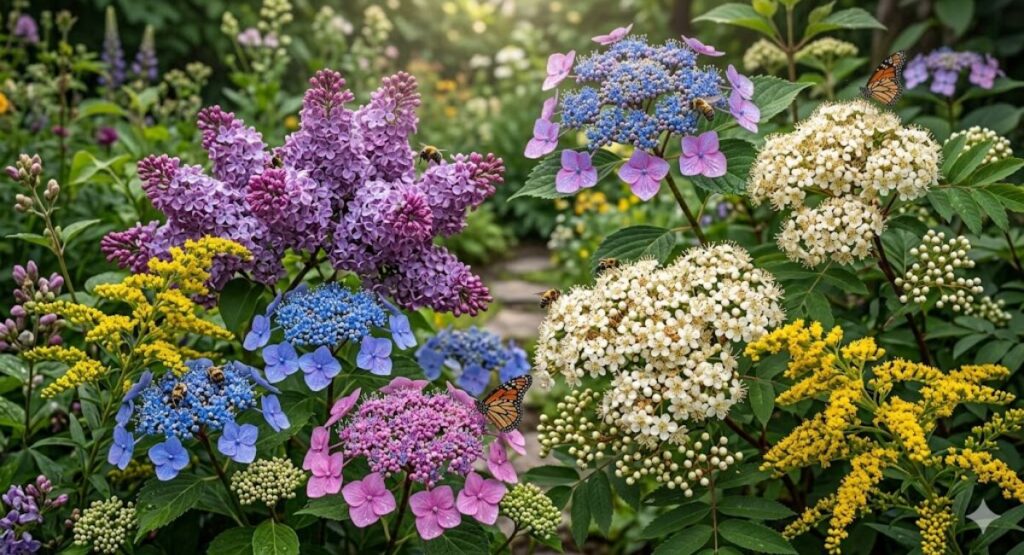
Flower clusters are among the most fascinating and visually appealing features in the plant world. Instead of growing as single blooms, these flowers appear in groups, forming stunning arrangements that enhance the beauty of gardens, landscapes, and natural environments. Their unique structure not only adds aesthetic value but also plays an essential role in plant reproduction and survival.
Whether you are a gardening enthusiast or simply someone who appreciates nature, understanding flower clusters can help you make better choices when selecting plants for your home or outdoor spaces. This article provides a comprehensive overview of flower clusters, including their types, benefits, and care requirements.
What Are Flower Clusters
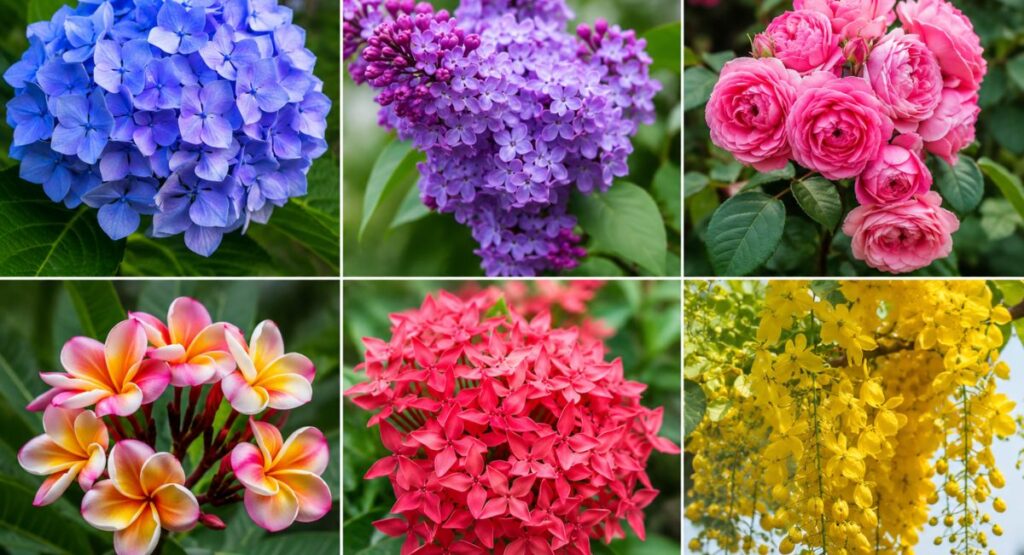
Flower clusters refer to a group of flowers that grow together on a single stem or branch in a specific pattern. In botanical terms, these arrangements are often called inflorescences.
Instead of producing one flower at a time, plants with flower clusters bloom multiple flowers simultaneously or in a sequence. This creates a fuller and more attractive appearance. The arrangement of these clusters can vary widely depending on the plant species.
Flower clusters are not just about beauty they serve practical purposes such as attracting pollinators and increasing the chances of successful reproduction.
types of Flower Clusters
There are several types of flower clusters, each with its own unique structure and pattern.
Raceme is one of the most common types, where flowers are arranged along a central stem with equal spacing.
Spike is similar to a raceme but with flowers directly attached to the stem without stalks.
Umbel features flowers that spread out from a single point, creating an umbrella-like shape.
Panicle is a branched cluster where smaller clusters grow from the main stem, giving a more complex appearance.
Corymb is a flat-topped cluster where outer flowers have longer stalks, allowing all blooms to reach the same level.
Each type contributes differently to the plant’s overall appearance and function.
Importance of Flower Clusters in Nature
Flower clusters play a crucial role in the natural ecosystem. One of their main functions is to attract pollinators such as bees, butterflies, and birds. The grouping of flowers makes it easier for pollinators to locate and access nectar.
This efficient design increases the chances of pollination, which is essential for plant reproduction. In addition, flower clusters help plants conserve energy by producing multiple blooms in a single structure rather than separate ones.
They also contribute to biodiversity by supporting various insects and animals that depend on flowers for food and habitat.
Popular Plants with Flower Clusters
Many well-known plants produce beautiful flower clusters that are commonly used in gardens and landscapes.
Hydrangeas are famous for their large, round clusters of colorful flowers that create a dramatic visual impact.
Lilacs produce fragrant clusters that are often associated with springtime and are widely used for ornamental purposes.
Sunflowers, although appearing as a single flower, actually consist of many small flowers grouped together in a cluster.
Bougainvillea features vibrant clusters that add color to outdoor spaces, especially in warm climates.
These plants are popular choices for gardeners due to their beauty and relatively easy maintenance.
Uses of Flower Clusters in Gardening and Decoration
Flower clusters are widely used in gardening and decoration because of their visual appeal. They create focal points in gardens and can be used to enhance the overall landscape design.
In home decoration, flower clusters are often used in bouquets and floral arrangements. Their fullness reduces the need for additional flowers, making them both cost-effective and visually impressive.
They are also used in events such as weddings and parties to create elegant and vibrant decorations.
How to Grow Plants with Flower Clusters
Growing plants with flower clusters requires proper planning and care. Start by selecting plants that are suitable for your climate and soil conditions.
Ensure that the soil is well-drained and rich in nutrients. Most flowering plants thrive in fertile soil with good moisture retention.
Provide adequate sunlight, as many cluster-bearing plants require full or partial sun to bloom properly.
Regular watering is essential, but avoid overwatering as it can damage the roots. Fertilizing the plants during the growing season can also promote healthy blooms.
Care and Maintenance Tips
Maintaining plants with flower clusters involves regular care to keep them healthy and vibrant.
Pruning is important to remove dead or damaged flowers and encourage new growth. It also helps maintain the shape of the plant.
Pest control is another essential aspect. Keep an eye out for insects that may damage the flowers or leaves.
Proper spacing between plants ensures good air circulation, reducing the risk of diseases.
Seasonal care, such as protecting plants from extreme weather, can also improve their longevity.
Benefits of Flower Clusters
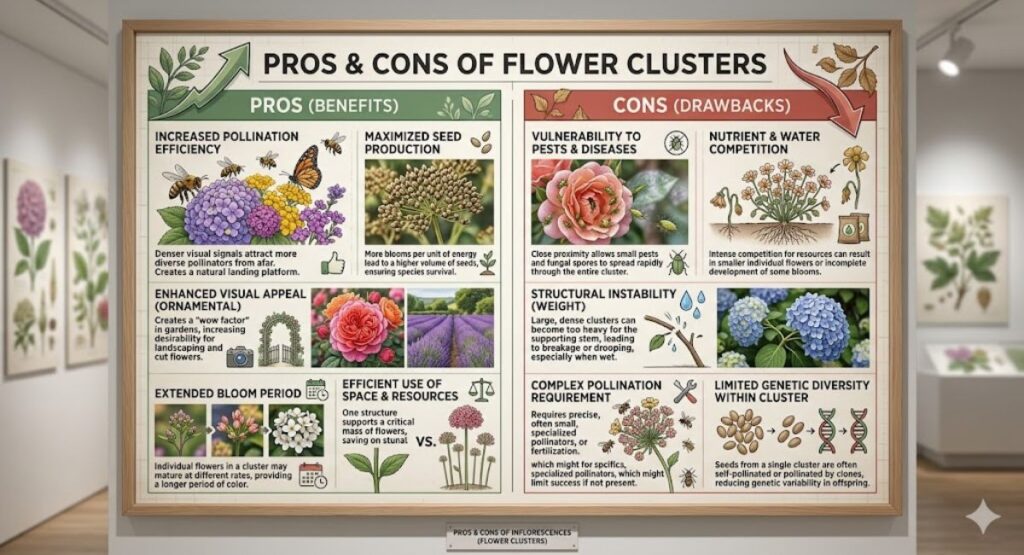
Flower clusters offer several advantages beyond their beauty.
They provide a rich source of nectar for pollinators, supporting the ecosystem.
Their dense arrangement creates a fuller look, making gardens appear more vibrant and lush.
They are often more efficient in terms of space, as multiple flowers grow in a compact area.
Additionally, many cluster-bearing plants have a longer blooming period, providing continuous color and interest.
Common Problems and Solutions
Like all plants, those with flower clusters can face certain issues.
Poor blooming is a common problem, often caused by insufficient sunlight or nutrients. Ensuring proper care can help resolve this issue.
Pests and diseases can also affect the health of the plant. Using natural or chemical treatments can protect the plants.
Overcrowding may lead to poor air circulation and increased risk of disease. Proper spacing and pruning can prevent this problem.
By addressing these issues early, you can maintain healthy and beautiful plants.
Comparison Table
| Type of Cluster | Structure Description | Visual Appeal | Common Example |
|---|---|---|---|
| Raceme | Flowers along central stem | Simple & elegant | Lupine |
| Umbel | Umbrella-shaped arrangement | Symmetrical | Carrot flowers |
| Panicle | Branched cluster | Dense & complex | Oats |
| Corymb | Flat-topped cluster | Balanced look | Yarrow |
| Spike | Flowers attached to stem | Compact | Wheat |
Conclusion
Flower clusters are a remarkable feature of many plants, combining beauty with functionality. Their unique arrangements not only enhance the visual appeal of gardens and landscapes but also play a vital role in pollination and plant reproduction.
By understanding the different types of flower clusters and how to care for them, you can create a vibrant and thriving garden. Whether used for decoration or ecological purposes, these natural arrangements continue to captivate and inspire people around the world.
FAQs
Q: What are flower clusters called in botanical terms?
A: They are known as inflorescences.
Q: Why do plants grow flowers in clusters?
A: Clusters help attract pollinators and improve the chances of reproduction.
Q: Which plants have the most attractive flower clusters?
A: Hydrangeas, lilacs, and bougainvillea are among the most popular.
Q: Are flower clusters easy to maintain?
A: Yes, with proper sunlight, watering, and pruning, they are relatively easy to care for.