
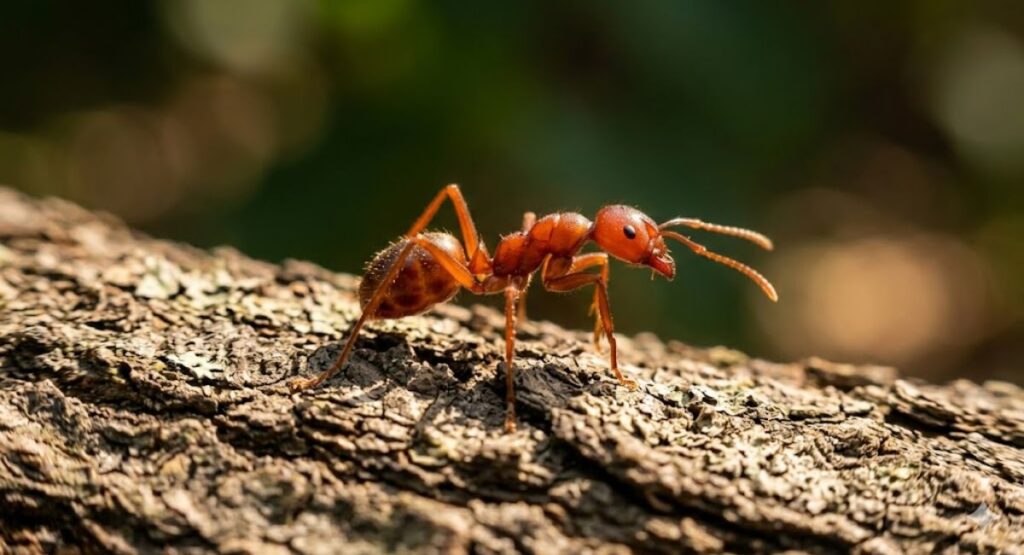
Red ants can quickly become a frustrating household problem. These tiny insects often invade kitchens, bathrooms, pantries, and even outdoor living spaces in search of food, water, and shelter. While a few ants may not seem like a major concern, an infestation can grow rapidly if left untreated.
The good news is that red ants can be eliminated using a combination of cleaning, prevention, natural remedies, and targeted treatments. Understanding why they enter your home and how to remove them effectively can help you maintain an ant-free environment.
Why Red Ants Enter Homes
Red ants typically invade homes for three main reasons:
- Food sources
- Water availability
- Shelter and nesting areas
Even small crumbs, sugary spills, pet food, or moisture around sinks can attract ant colonies. Once scout ants discover a reliable source of food, they leave scent trails that guide other ants into your home.
Identify the Source of the Infestation
Before treating red ants, determine where they are coming from.
Common entry points include:
- Cracks in walls
- Gaps around doors and windows
- Utility openings
- Foundation cracks
- Roof vents
Follow ant trails whenever possible to locate nesting areas or entry points.
Keep Your Home Clean
One of the most effective ways to discourage red ants is maintaining a clean home.
Focus on:
- Wiping kitchen counters daily
- Sweeping floors regularly
- Cleaning food spills immediately
- Storing food in airtight containers
- Emptying trash bins frequently
- Washing dishes promptly
Removing food sources makes your home less attractive to ants.
Seal Entry Points
Preventing access is an important step in ant control.
Inspect your home for:
- Wall cracks
- Door gaps
- Window frame openings
- Pipe penetrations
Use caulk or weather stripping to seal these openings and reduce ant entry.
Use a vinegar solution.
White vinegar is a popular natural ant deterrent.
Mix equal parts:
| Ingredient | Amount |
|---|---|
| White Vinegar | 1 Part |
| Water | 1 Part |
Spray the solution along ant trails, entry points, baseboards, and countertops. Vinegar helps remove the scent trails that ants use for navigation.
Try Lemon Juice
Lemon juice can disrupt ant trails and create an environment ants dislike.
Apply fresh lemon juice around:
- Windowsills
- Doorways
- Cracks
- Kitchen counters
Repeat as needed for continued effectiveness.
Use diatomaceous earth.
Food-grade diatomaceous earth is a natural powder that damages the outer protective layer of ants.
Apply a thin layer around:
- Entry points
- Ant trails
- Baseboards
- Outdoor nests
Keep the powder dry for maximum effectiveness.
Set Ant Baits
Ant baits are often one of the most effective solutions for larger infestations.
Worker ants carry the bait back to the colony, eventually eliminating the nest. Place bait stations near active ant trails but away from children and pets.
Eliminate Moisture Sources
Red ants are attracted to water.
Reduce moisture by:
- Fixing leaking faucets
- Repairing plumbing leaks
- Improving ventilation
- Emptying standing water
- Using dehumidifiers in damp areas
Dry environments are less appealing to ants.
Remove Outdoor Nesting Areas
Many indoor infestations begin outdoors.
Inspect your yard for:
- Wood piles
- Mulch beds
- Tree stumps
- Debris piles
- Soil mounds
Removing potential nesting sites can help reduce ant populations near your home.
Use Borax Ant Bait
A homemade ant bait can be created using borax and sugar.
Mix:
- 1 tablespoon borax
- 3 tablespoons sugar
- Small amount of water
Place the mixture in shallow containers near ant activity. The sugar attracts ants while the borax helps eliminate the colony.
Trim Vegetation Around the House
Tree branches and shrubs touching your home can serve as bridges for ants.
Regularly trim:
- Bushes
- Shrubs
- Tree limbs
- Climbing vines
This reduces access points for ants.
Consider Professional Pest Control
If red ants continue to return despite treatment efforts, professional pest control may be necessary.
Professionals can:
- Identify the species
- Locate hidden nests
- Apply specialized treatments
- Prevent future infestations
This option is particularly helpful for severe or recurring infestations.
Prevent Future Ant Problems
Long-term prevention is the key to keeping red ants away.
Helpful habits include:
- Keeping food sealed
- Cleaning regularly
- Sealing cracks
- Managing moisture
- Maintaining outdoor landscaping
- Inspecting your home periodically
Consistent prevention efforts can significantly reduce the risk of future infestations.
Conclusion
Getting rid of red ants in the house requires a combination of cleanliness, prevention, and targeted treatments. By removing food and water sources, sealing entry points, using natural remedies or ant baits, and maintaining a clean environment, most homeowners can successfully eliminate red ants and prevent them from returning.
For persistent infestations, professional pest control services may provide the most effective long-term solution. With the right approach, you can keep your home comfortable, clean, and free from unwanted red ants.
FAQs
Q: Why do red ants keep coming into my house?
A: Red ants usually enter homes searching for food, water, or shelter. Crumbs, spills, and moisture can attract them.
Q: What kills red ants instantly?
A: Direct-contact insect sprays can kill ants instantly, while vinegar solutions can disrupt their trails.
Q: Is vinegar effective against red ants?
A: Yes, vinegar helps remove scent trails and discourages ants from returning to treated areas.
Q: Are red ants dangerous?
A: Some red ant species can bite or sting, causing irritation and discomfort.
Q: How long does it take to eliminate an ant colony?
A: Using bait systems may take several days to a few weeks, depending on the colony size.
Q: Can red ants come back after treatment?
A: Yes, if food sources, moisture, or entry points remain available, ants may return. Regular prevention is essential.