
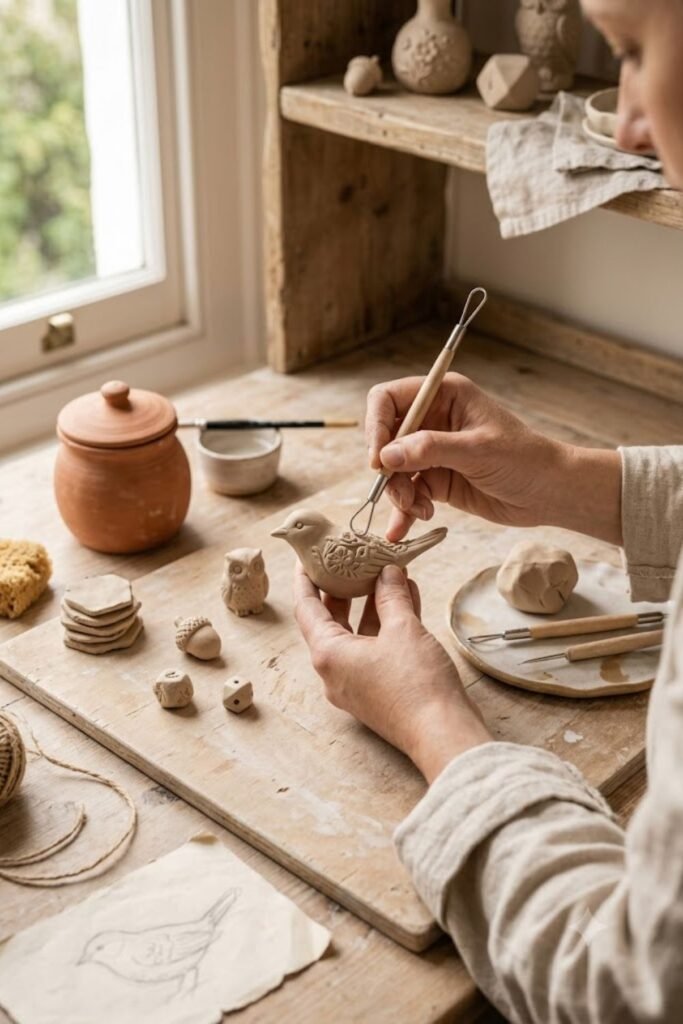
introduction
Creating small decorative pieces through sculpting is a wonderful way to express creativity and add a personal touch to your home. Sculpting transforms simple materials into beautiful handmade objects that can be used as decorations, gifts, or artistic displays. Whether you want to create tiny figures, elegant ornaments, miniature designs, or unique art pieces, learning the basics of sculpting can help you bring your ideas to life.
Small decorative sculptures are popular because they do not require a large workspace or expensive equipment. With some basic materials, simple tools, and patience, beginners can create impressive pieces. This guide will explain the complete process of sculpting small decorative pieces, from choosing materials to finishing and displaying your artwork.
Understanding the Art of Sculpting Small Decorative Pieces
Sculpting is an artistic technique where a material is shaped into a desired form. Unlike drawing or painting, sculpting creates a three-dimensional object that can be viewed from different angles.
Small decorative sculptures are often made for beauty rather than function. They can include miniature animals, flowers, abstract shapes, small statues, decorative objects, and personalized designs. These small creations allow artists to experiment with shapes, textures, and colors.
The best way to begin sculpting is to start with simple ideas. A basic design can become an attractive decoration when you add creativity and careful details.
Choosing the Best Material for Sculpting
The material you select affects the texture, strength, and appearance of your final piece. Different materials work well for different styles of decoration.
| Material | Benefits | Suitable For |
|---|---|---|
| Air-dry clay | Easy to shape and dries naturally | Beginners and home crafts |
| Polymer clay | Strong and detailed after baking | Miniature artwork |
| Paper clay | Lightweight and budget-friendly | Simple decorations |
| Wood | Natural and long-lasting | Carved designs |
| Wax | Soft and flexible | Practice models |
For beginners, air-dry clay is usually the easiest choice because it is simple to handle and does not require special machines. Polymer clay is another great option when you want stronger pieces with detailed features.
Preparing Your Workspace and Tools
A comfortable workspace makes sculpting easier and more enjoyable. Choose a clean, flat surface where you can work without distractions. Protect your table with paper or a craft mat to avoid mess.
Basic sculpting tools include:
- Clay shaping tools
- Small carving knives
- Rolling tools
- Brushes
- Toothpicks for tiny details
- Sandpaper for smoothing
- Paint supplies
You do not need a professional studio to start. Many beginners create beautiful sculptures using simple household items.
Planning Your Sculpture Before Starting
A successful decorative piece usually begins with a good plan. Before touching your material, decide what you want to create. You can draw a quick sketch or collect ideas from nature, objects, or online inspiration.
Think about:
- The size of your sculpture
- The shape and structure
- The details you want to add
- The colors you will use
Planning prevents mistakes and helps you use your material more effectively. Even a simple sketch can make the sculpting process smoother.
Learning Basic Sculpting Techniques
Small decorative pieces require a few basic techniques that every beginner should learn.
The first technique is shaping. Start by forming the main structure using your hands. Roll, press, and gently stretch the material until you achieve the desired shape.
The second technique is joining pieces together. If your design has multiple parts, attach them carefully and blend the edges so the sculpture looks natural.
The third technique is adding details. Small lines, textures, and patterns can make your sculpture more attractive. Tools can help create realistic surfaces like leaves, fabric, hair, or patterns.
The final technique is smoothing. Carefully smooth rough areas to create a cleaner and more professional finish.
Step-by-Step Process of Making a Decorative Sculpture
Begin by preparing your material. If you are working with clay, soften it by kneading until it becomes flexible.
Create the main shape first. Avoid focusing on tiny details at the beginning because the overall structure is more important.
Once the base shape is ready, add smaller parts such as decorations, facial features, patterns, or textures. Take your time and make small adjustments.
After completing the design, allow your piece to dry or harden properly. Drying time depends on the material used.
When the sculpture is fully ready, add paint, polish, or protective coating to improve its appearance and durability.
Adding Colors and Creative Finishes
Color can completely change the look of a handmade sculpture. Painting allows you to add personality and style to your decorative piece.
Before painting, make sure the surface is clean and dry. Apply colors carefully and allow each layer to dry before adding more details.
You can also experiment with different finishes, such as:
- Matte effects
- Glossy surfaces
- Metallic looks
- Textured designs
Creative finishing techniques can turn a simple sculpture into a unique piece of art.
Ideas for Small Decorative Sculptures
There are many creative possibilities when making small decorative pieces. Some popular ideas include:
- Miniature flowers and plants
- Small animals
- Decorative bowls
- Tiny houses
- Fantasy figures
- Personalized name designs
- Abstract art pieces
Nature is a great source of inspiration. Leaves, shells, flowers, and stones can help you create interesting shapes and patterns.
You can also make decorations based on seasons, room themes, or special occasions.
Common Mistakes Beginners Should Avoid
Many beginners make small mistakes that affect their final results. One common problem is adding details before creating a strong base. Always build the main structure first.
Another mistake is using material that is too dry or difficult to shape. Properly prepared material creates better results.
Avoid rushing the drying process because it can cause cracks or damage. Sculpting requires patience and careful attention.
Improving Your Sculpting Skills
Like every art form, sculpting improves with practice. Each project helps you understand shapes, textures, and techniques better.
Try experimenting with different materials and designs. Study real objects around you and notice their shapes and details.
Practice small projects regularly. Over time, your confidence will grow, and you will be able to create more complex decorative pieces.
Displaying Your Handmade Creations
After completing your sculpture, choose a good place to display it. Small decorative pieces look beautiful on shelves, desks, side tables, and display cabinets.
You can also combine several small sculptures to create an artistic collection. Different sizes, colors, and designs can make your display more interesting.
Handmade sculptures also make thoughtful gifts because they contain creativity and personal effort.
faqs
Q: What is the easiest material for beginners to sculpt with?
A: Air-dry clay is one of the easiest materials because it is affordable, simple to shape, and does not require special equipment.
Q: How long does it take to create a small decorative sculpture?
A: Simple sculptures can be completed within an hour, while detailed designs may take several days depending on drying and finishing time.
Q: Can I sculpt without professional tools?
A: Yes, beginners can create beautiful decorative pieces using basic tools or common household items.
Q: How can I make my sculptures look more professional?
A: Focus on smooth surfaces, balanced shapes, careful details, and quality finishing techniques.
Q: Is sculpting a good hobby for relaxation?
A: Yes, sculpting can be a calming creative activity that helps improve focus and encourages artistic expression.
Conclusion
Sculpting small decorative pieces is an enjoyable activity that combines creativity, patience, and imagination. With simple materials and basic techniques, anyone can create unique handmade decorations.
The beauty of sculpting comes from turning an ordinary material into something meaningful. Whether you create small gifts, home decorations, or personal artwork, every piece shows your creativity and effort. Start with simple designs, practice regularly, and enjoy the process of creating something completely your own.