
Table Of Contents
What Is a Baby Nursery?
Why a Well-Designed Nursery Matters
Choosing the Perfect Nursery Theme
Essential Furniture for a Baby Nursery
Color Schemes and Wall Design
Lighting Tips for Comfort and Safety
Storage Solutions for Organization
Safety Considerations Every Parent Should Know
Decorating Ideas to Personalize the Space
One Table: Baby Nursery Essentials Checklist
FAQs
What Is a Baby Nursery?
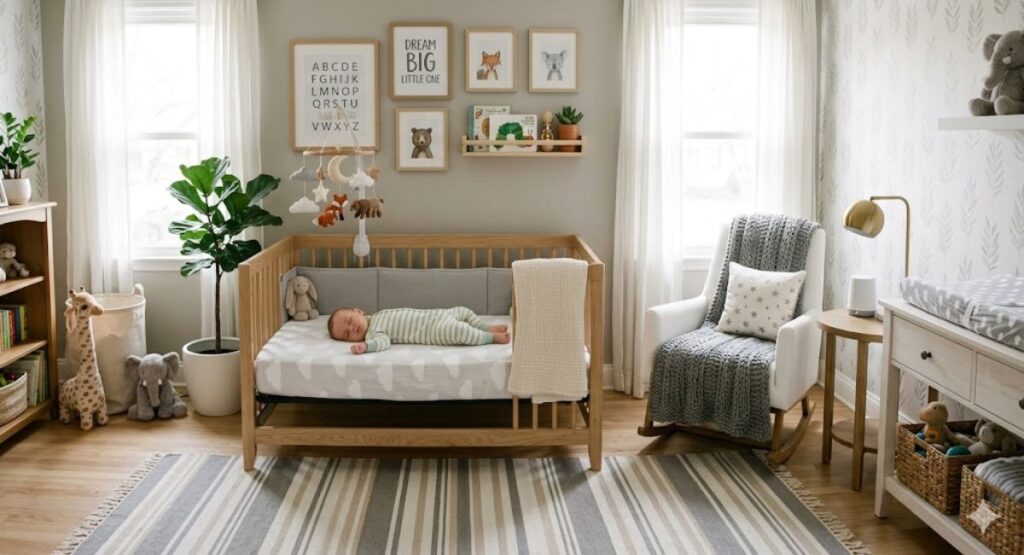
A baby nursery is a dedicated space in your home designed specifically for your newborn or infant. It serves as a multifunctional room where your baby sleeps, gets changed, feeds, and spends most of their early days. A nursery is not just about aesthetics; it’s about creating a safe, peaceful, and practical environment that supports both the baby and the parents.
The idea of a nursery has evolved over time. Today, it reflects a blend of comfort, functionality, and modern design trends. Whether it’s a full room or a small corner in your bedroom, a well-planned nursery can make parenting smoother and more enjoyable.
Why a Well-Designed Nursery Matters
A thoughtfully designed nursery plays a crucial role in a baby’s development and a parent’s daily routine. Babies are sensitive to their surroundings, and a calm, organized space can positively influence their mood and sleep patterns.
For parents, especially during the early months, convenience is everything. A nursery that is properly arranged allows quick access to essentials like diapers, clothes, and feeding items. This becomes especially important during late-night routines when efficiency matters the most.
Additionally, a well-organized nursery reduces stress. When everything has a place, you spend less time searching and more time bonding with your baby.
Choosing the Perfect Nursery Theme
Choosing a theme helps bring consistency and harmony to the nursery. It acts as a guiding framework for selecting colors, furniture, and decorations.
Popular nursery themes include minimalist designs with neutral tones, nature-inspired setups like woodland or safari, soft pastel environments, and modern monochrome aesthetics. Gender-neutral themes are also becoming increasingly popular as they offer flexibility and timeless appeal.
While themes can be fun and creative, it’s important to avoid overdoing it. A nursery should feel soothing rather than overwhelming. Soft textures, subtle patterns, and gentle tones are always a better choice for a baby-friendly environment.
Essential Furniture for a Baby Nursery
Furniture is the backbone of any nursery. Choosing the right pieces ensures both functionality and comfort.
The crib is the most important item. It should be sturdy, safe, and compliant with modern safety standards. A good-quality mattress is equally essential for your baby’s comfort and health.
A changing table helps keep diapering organized and efficient. Many parents also opt for dressers that double as changing stations to save space. A comfortable chair, such as a rocking chair or glider, is invaluable for feeding and soothing the baby.
Storage furniture like dressers and shelves helps keep everything in order. A small side table can also be useful for placing feeding bottles, wipes, or a night lamp.
It’s important not to overcrowd the nursery. Keep the layout simple and ensure there’s enough room to move freely.
Color Schemes and Wall Design
Color plays a significant role in shaping the mood of the nursery. Babies respond better to soft and calming tones rather than bright and intense colors.
Neutral shades like white, cream, beige, and light gray are excellent choices. Pastel colors such as soft pink, mint green, and baby blue can also create a gentle and soothing atmosphere. Earthy tones are another modern option that adds warmth to the space.
For wall design, simplicity works best. You can use subtle wallpaper, wall decals, or small pieces of artwork. Personalized elements like your baby’s name or meaningful quotes can add a special touch without overwhelming the room.
Avoid overly busy patterns or loud colors, as they can overstimulate your baby.
Lighting Tips for Comfort and Safety
Lighting is a crucial yet often overlooked aspect of nursery design. The right lighting setup can significantly improve both comfort and functionality.
Soft, warm lighting is ideal for a nursery. It creates a cozy environment and is gentle on a baby’s eyes. A night light is especially useful for nighttime feedings and diaper changes, as it provides enough visibility without disturbing the baby’s sleep.
Blackout curtains are another smart addition. They help regulate natural light and support better sleep patterns during the day.
Dimmable lights offer flexibility, allowing you to adjust brightness according to the time of day and activity.
Storage Solutions for Organization
Keeping a nursery organized can be challenging due to the number of items a baby requires. Smart storage solutions can make a big difference.
Baskets and bins are perfect for storing toys, blankets, and miscellaneous items. Drawer dividers help keep clothes neatly arranged and easy to find. Wall-mounted shelves can be used for books, décor, or frequently used items.
Utilizing space under the crib or bed for storage is another practical idea, especially in smaller rooms. The goal is to create a system where everything is easily accessible and clutter is minimized.
Safety Considerations Every Parent Should Know
Safety should always be the top priority when designing a baby nursery. Even the most beautiful room is incomplete if it’s not safe for your child.
Ensure that the crib is placed away from windows, curtains, and cords. Always use a firm mattress with a fitted sheet and avoid placing pillows, blankets, or stuffed toys inside the crib.
All furniture should be securely anchored to the wall to prevent tipping. Electrical outlets should be covered, and sharp edges should be avoided or cushioned.
Using non-toxic paints and materials is also essential, as babies are sensitive to chemicals and allergens.
Regularly inspect the nursery to ensure that everything remains safe as your baby grows and becomes more active.
Decorating Ideas to Personalize the Space
Decorating a nursery is where you can truly express your creativity. Personal touches make the space feel warm and unique.
You can add your baby’s name on the wall, include framed family photos, or create a memory corner with special keepsakes. Soft rugs add comfort and warmth, while mobiles above the crib can provide gentle visual stimulation.
However, it’s important to strike a balance. Too many decorative items can create clutter and reduce functionality. Keep the design simple, meaningful, and practical.
One Table: Baby Nursery Essentials Checklist
| Category | Essential Items | Optional Add-ons |
|---|---|---|
| Sleeping | Crib, mattress, fitted sheets | Baby monitor |
| Feeding | Nursing chair, side table | Bottle warmer |
| Changing | Changing table, diapers, wipes | Diaper pail |
| Storage | Dresser, baskets, shelves | Closet organizers |
| Comfort | Soft lighting, curtains | White noise machine |
| Décor | Wall art, rug | Themed accessories |
FAQs
Q: When should I start setting up a baby nursery?
A: It’s best to start during the second trimester so you have enough time to plan and complete everything before the baby arrives.
Q: What is the safest crib setup?
A: A firm mattress with a fitted sheet only. Avoid pillows, blankets, and toys inside the crib.
Q: How can I design a nursery in a small space?
A: Use multifunctional furniture, light colors, and smart storage solutions to maximize space.
Q: Do I need a separate room for a nursery?
A: No, even a small corner in your bedroom can serve as a functional nursery.
Q: What colors are best for a baby nursery?
A: Soft, neutral, and pastel shades are ideal as they create a calming environment.
Designing a baby nursery is a special experience that combines creativity with practicality. By focusing on comfort, safety, and organization, you can create a beautiful space that supports your baby’s growth and makes your daily routine easier.