
Introduction to Home Water Filtration
Clean drinking water is one of the most important necessities for a healthy lifestyle, yet many homes still rely on untreated or poorly filtered tap water. Even when water looks clear, it may contain contaminants such as chlorine, heavy metals, bacteria, and dissolved solids that affect both health and taste. This is where home water filtration systems become essential. A good filtration system not only improves water quality but also protects your family, enhances taste, and increases the lifespan of appliances.
Modern filtration solutions range from simple under-sink filters to advanced whole-house systems. Choosing the best one depends on your water quality, household needs, and budget. Some systems focus on drinking water, while others treat all the water entering your home. Understanding these differences is key to making the right investment.
Why You Need a Water Filtration System at Home
Many people assume that municipal water is always safe, but that is not entirely true. Even treated water can carry residual chlorine, sediments, or contaminants from old pipelines. According to experts, filtration systems are especially useful when there are concerns about taste, odor, or specific pollutants like lead or PFAS.
In areas with hard water, minerals such as calcium and magnesium can damage appliances and plumbing over time. A proper filtration system helps prevent scale buildup and improves overall water quality. Additionally, filtered water reduces reliance on bottled water, making it both cost-effective and environmentally friendly.
Types of Home Water Filtration Systems
There are several types of water filtration systems available, each designed for specific needs. Understanding them helps you choose the best solution.
Whole-house filtration systems treat all water entering your home. These systems are installed at the main water line and ensure that every tap delivers filtered water. They are ideal for removing sediments, chlorine, and improving overall water quality.
Under-sink filtration systems are installed beneath the kitchen sink and provide clean drinking water. These are more affordable and easier to install compared to whole-house systems.
Reverse osmosis (RO) systems are among the most advanced options. They use a semi-permeable membrane to remove up to 99% of contaminants, including heavy metals and dissolved solids.
Faucet and pitcher filters are basic solutions that improve taste and remove some contaminants, but they are not as powerful as RO or whole-house systems.
Best Overall Water Filtration Systems for Home
To help you choose the best system, here are some of the most reliable and high-performing options available today.
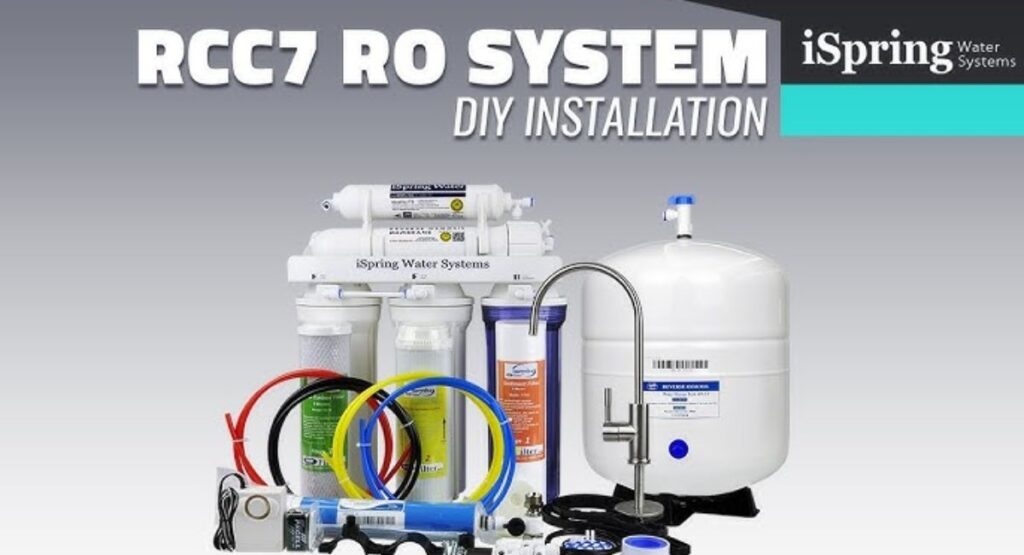
Best Overall: iSpring RCC7U Reverse Osmosis System
This system is considered one of the best overall because of its strong filtration performance and reliability. It removes a wide range of contaminants and includes a UV filter, making it suitable even for challenging water sources. It’s ideal for families who want safe and clean drinking water directly from the tap.
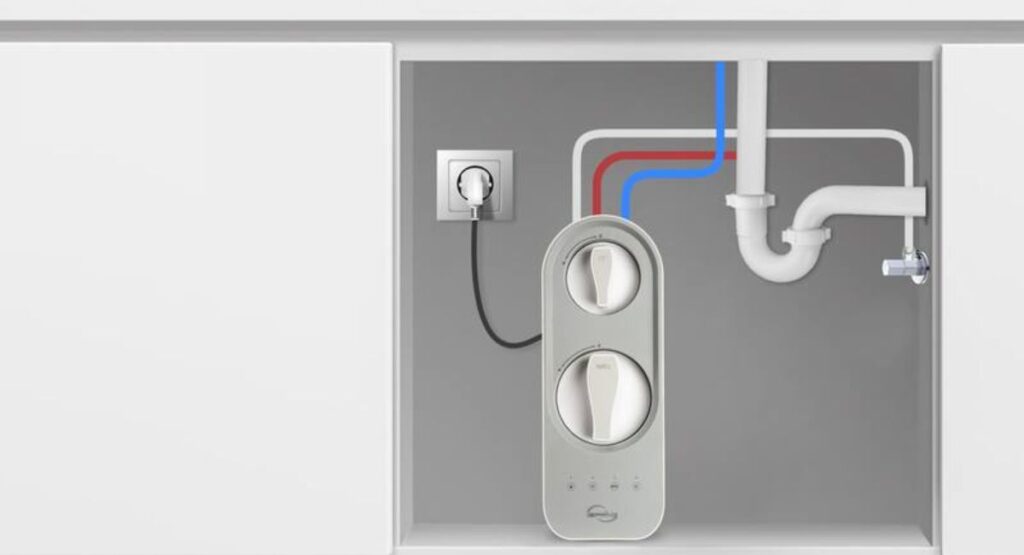
Best Tankless Option: iSpring RO500AK-BN System
This system offers advanced technology with a tankless design, saving space and providing faster water flow. It includes smart monitoring features and removes a wide range of contaminants efficiently. It is perfect for modern kitchens where space and convenience matter.
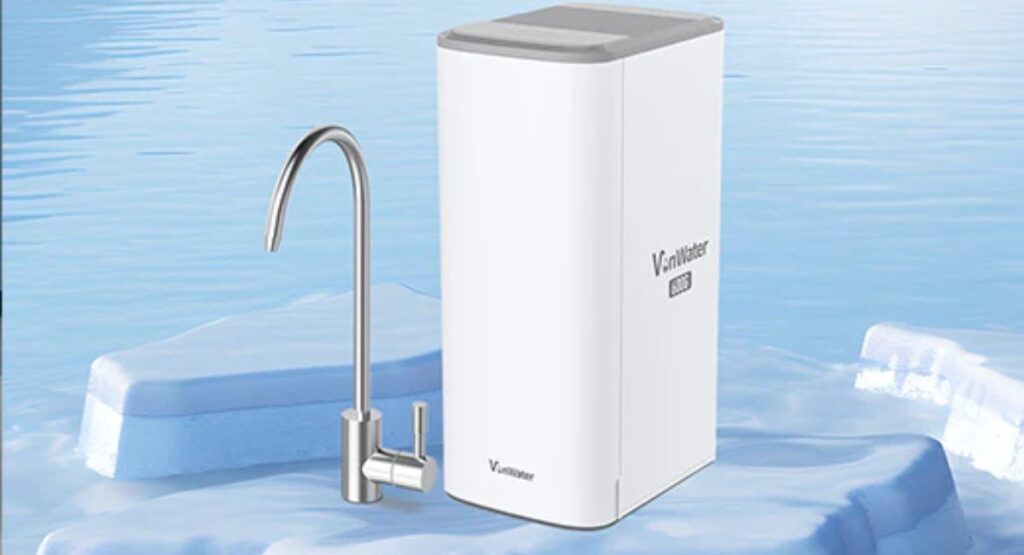
Best Budget Option: VonWater V1-600N RO System
For those on a budget, this system provides excellent value. It removes harmful substances like lead and chlorine while remaining cost-effective. It’s a great entry-level option for improving drinking water quality.
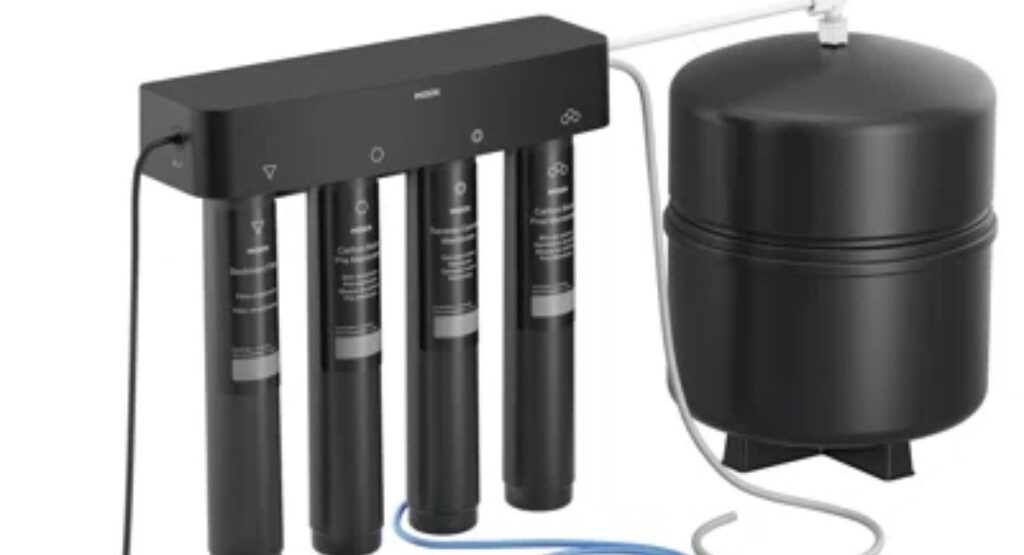
Best Whole-House + RO Combo: iSpring WCS50KG + RO5004F System
This system is ideal for homeowners who want complete water treatment. It softens water, prevents scale buildup, and provides purified drinking water through RO technology. It is a premium solution for large households.
Product Comparison Table
| Feature | iSpring RCC7U | iSpring RO500AK | VonWater V1-600N | iSpring WCS50KG Combo |
|---|---|---|---|---|
| Filtration Type | 6-Stage RO + UV | Tankless RO | RO System | Whole House + RO |
| Contaminant Removal | Up to 99% | Up to 99% | High | Very High |
| Best Use | Drinking Water | Modern Kitchens | Budget Homes | Full Home Solution |
| Installation | Under Sink | Under Sink | Under Sink | Whole House |
| Price Range | Mid | High | Low | Premium |
How to Choose the Best Water Filtration System
Choosing the right system depends on several important factors. First, you need to identify your water quality. Testing your water helps determine whether you need a basic filter, a softener, or a reverse osmosis system.
Second, consider your household size. Larger families may need high-capacity systems, while smaller households can use compact filters.
Third, think about your budget. While whole-house systems offer complete protection, they are more expensive. Under-sink systems provide a balance between cost and performance.
Finally, always check certifications such as NSF standards to ensure the system effectively removes contaminants.
Whole-House vs Under-Sink Filtration: Which Is Better?
The choice between whole-house and under-sink filtration depends on your needs. Whole-house systems improve water quality for bathing, cleaning, and appliances, while under-sink systems focus on drinking water.
Many homeowners prefer combining both systems. In fact, community discussions show that using a whole-house filter along with an RO system provides the most complete solution for water quality and safety .
This combination ensures that all water in the home is treated, while drinking water is purified to the highest level.
Benefits of Installing a Water Filtration System
A good water filtration system offers multiple benefits beyond clean drinking water. It improves taste and removes unpleasant odors caused by chlorine. It protects your health by reducing harmful contaminants. It also extends the life of appliances by preventing scale buildup.
Another major benefit is cost savings. Instead of buying bottled water regularly, a filtration system provides a long-term solution that is both economical and environmentally friendly.
Maintenance and Long-Term Performance
Maintaining a water filtration system is essential for consistent performance. Filters need to be replaced regularly depending on usage and system type. RO membranes typically last longer but still require periodic replacement.
Neglecting maintenance can reduce filtration efficiency and even lead to contamination. Therefore, it is important to follow manufacturer guidelines and schedule timely filter changes.
Common Mistakes to Avoid
Many people make mistakes when choosing a water filtration system. One common mistake is buying a system without testing water quality. Another is choosing a cheap filter that does not remove harmful contaminants.
Some homeowners also overlook maintenance costs, which can add up over time. It is important to consider both initial cost and long-term expenses before making a decision.
Conclusion
Choosing the best water filtration system for your home is an important investment in health and quality of life. Whether you opt for a simple under-sink filter or a complete whole-house system, the key is to match the system with your specific needs.
Reverse osmosis systems remain one of the most effective solutions for drinking water, while whole-house systems provide comprehensive protection for your entire home. By understanding your water quality, budget, and usage, you can select a system that delivers clean, safe, and great-tasting water every day.
A well-chosen filtration system not only improves your daily life but also ensures long-term safety and peace of mind for your family.