
TABLE OF CONTENTS
Introduction to the King of Flowers
Why Rose is Called the King of Flowers
Historical Importance of Roses in India
Symbolism and Cultural Significance
Popular Types of Roses in India
Ideal Growing Conditions for Roses
Rose Cultivation in India
Uses of Roses in Daily Life
Rose in Perfume and Beauty Industry
Health Benefits of Roses
Challenges in Rose Farming
Future of Rose Cultivation in India
Comparison of Rose Varieties
FAQs
Introduction to the King of Flowers
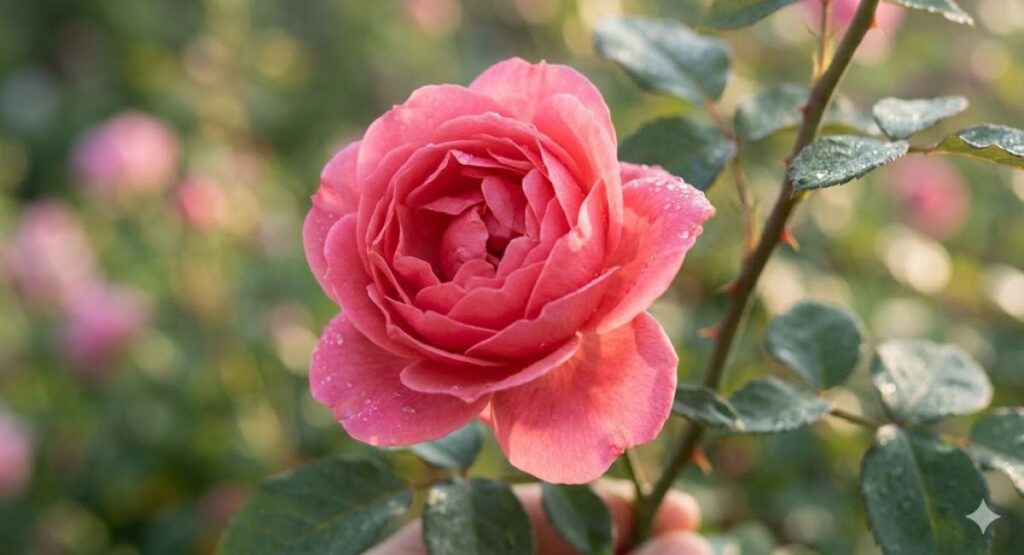
Flowers have always played a vital role in human culture, emotions, and traditions. Among all flowers, the rose holds a special place and is widely known as the “King of Flowers” in India. Its unmatched beauty, enchanting fragrance, and deep symbolism make it one of the most admired flowers across the country.
From gardens to festivals, weddings to religious rituals, roses are present everywhere, reflecting elegance and grace.
Why Rose is Called the King of Flowers
The rose earns its title as the King of Flowers due to its universal appeal and versatility. Its layered petals, vibrant colors, and captivating scent set it apart from other flowers.
Unlike many flowers that bloom for a short time, roses can be cultivated throughout the year with proper care. Their availability, combined with their aesthetic and emotional value, makes them superior in the floral world.
Historical Importance of Roses in India
Roses have been cultivated in India for centuries. Historical records show that Mughal emperors were particularly fond of roses and used them extensively in gardens and palaces.
Rose water and rose attar were widely used in royal courts for fragrance and skincare. The famous Mughal gardens were often filled with different varieties of roses, showcasing their importance in royal culture.
Symbolism and Cultural Significance
In Indian culture, roses symbolize love, respect, purity, and devotion. Different colors of roses carry different meanings.
Red roses represent love and passion, while white roses symbolize peace and purity. Yellow roses are associated with friendship and happiness.
Roses are also used in religious ceremonies and offerings, making them spiritually significant as well.
Popular Types of Roses in India
India is home to a wide variety of roses, each with unique characteristics.
Hybrid tea roses are known for their large, elegant blooms and are commonly used in bouquets. Floribunda roses produce clusters of flowers and are ideal for gardens. Desi (native) roses are valued for their strong fragrance and are often used in making rose water.
Miniature roses are also popular for indoor decoration due to their small size and charm.
Ideal Growing Conditions for Roses
Roses thrive in well-drained soil with good sunlight. They require at least 5–6 hours of direct sunlight daily for healthy growth.
The climate in many parts of India is suitable for rose cultivation, especially during winter and spring seasons. Proper watering, pruning, and fertilization are essential to maintain plant health.
Rose Cultivation in India
Rose farming is a significant agricultural activity in India. States like Punjab, Uttar Pradesh, Karnataka, and Tamil Nadu are known for large-scale rose production.
Farmers grow roses for both domestic use and export. The demand for roses increases during special occasions like weddings, festivals, and Valentine’s Day.
Modern farming techniques and greenhouse cultivation have further improved the quality and yield of roses.
Uses of Roses in Daily Life
Roses are not just ornamental flowers; they have multiple practical uses. Rose petals are used in cooking, especially in desserts like gulkand and sweets.
They are also used in making rose water, which is widely used in skincare and cooking. Rose garlands are common in celebrations and religious rituals.
Rose in Perfume and Beauty Industry
The fragrance of roses makes them a key ingredient in perfumes and cosmetics. Rose oil, also known as attar, is extracted from petals and used in high-quality fragrances.
Many beauty products, including creams, toners, and face packs, contain rose extracts due to their soothing properties.
Health Benefits of Roses
Roses offer several health benefits. Rose water has cooling and anti-inflammatory properties, making it beneficial for skin and eyes.
Consuming rose-based products like gulkand can help in digestion and reduce body heat. Rose tea is also known for its calming effects.
Challenges in Rose Farming
Despite its popularity, rose cultivation comes with challenges. Pests, diseases, and changing weather conditions can affect crop quality.
Proper care and modern agricultural practices are necessary to overcome these challenges. Farmers must also deal with market fluctuations and pricing issues.
Future of Rose Cultivation in India
The future of rose farming in India looks promising. With increasing demand in domestic and international markets, farmers are adopting advanced techniques to improve production.
Organic farming and eco-friendly practices are also gaining popularity, ensuring sustainable growth in the industry.
Comparison of Rose Varieties
| Rose Type | Key Features | Best Use |
|---|---|---|
| Hybrid Tea | Large, single blooms | Bouquets and gifting |
| Floribunda | Clustered flowers | Garden decoration |
| Desi Roses | Strong fragrance | Rose water and attar |
| Miniature Roses | Small size, compact growth | Indoor and small spaces |
FAQs
Q: Which flower is known as the King of Flowers in India?
A: The rose is known as the King of Flowers in India due to its beauty and cultural significance.
Q: Why are roses so popular in India?
A: Roses are popular because of their fragrance, variety, and use in ceremonies, decoration, and skincare.
Q: Which state in India produces the most roses?
A: States like Karnataka, Tamil Nadu, and Uttar Pradesh are major producers of roses.
Q: Can roses grow in all climates in India?
A: Roses grow best in moderate climates but can be cultivated in most regions with proper care.
Q: What are the uses of rose petals?
A: Rose petals are used in food, cosmetics, perfumes, and traditional medicines.
The rose truly deserves its title as the King of Flowers in India. Its timeless charm, cultural importance, and wide range of uses make it an irreplaceable part of life. Whether in a garden, a bouquet, or a bottle of perfume, the rose continues to symbolize beauty and elegance across generations.