
Introduction
Technology has changed almost every part of modern life, and home design is no exception. Over the past decade, digital tools have completely transformed the way architects, interior designers, builders, and homeowners plan and create living spaces. What once required hand-drawn sketches, physical models, and endless revisions can now be completed with advanced software, 3D visualization, and smart design platforms in a fraction of the time.
Digital tools are not only making home design faster and more accurate, but they are also improving creativity, customization, and communication between professionals and clients. From virtual reality walkthroughs to AI-powered planning software, technology is reshaping the future of residential architecture and interior design. Homeowners can now visualize their dream homes before construction even begins, while designers can create smarter, more efficient, and more sustainable spaces.
The Evolution of Home Design Through Technology
Traditional home design relied heavily on manual drafting and physical blueprints. Architects and designers spent countless hours creating floor plans by hand, and making changes often required starting over from scratch. Communication between clients and professionals was also slower, leading to misunderstandings and delays.
Today, digital technology has streamlined the entire process. Computer-aided design software allows professionals to create detailed plans quickly and accurately. Changes can be made instantly, reducing time and costs. Cloud-based collaboration tools also allow architects, contractors, and homeowners to work together in real time regardless of location.
This shift has not only improved efficiency but has also opened new possibilities for creativity and innovation in modern home design.
3D Visualization and Virtual Home Design
One of the biggest advancements in modern home design is 3D visualization technology. Instead of relying on imagination or flat sketches, homeowners can now see realistic digital models of their future homes before construction starts.
3D rendering software creates lifelike representations of rooms, furniture, lighting, and textures. Designers can experiment with colors, layouts, and materials instantly. This helps clients make confident decisions and reduces costly design mistakes.
Virtual reality has taken this concept even further. VR technology allows users to take immersive virtual tours of their homes before they are built. Homeowners can walk through rooms, experience the layout, and understand how spaces will feel in real life. This level of visualization improves planning and enhances customer satisfaction.

Artificial Intelligence in Home Design
Artificial intelligence is becoming increasingly important in modern interior and architectural design. AI-powered platforms can analyze room dimensions, lighting conditions, and furniture arrangements to suggest optimized layouts.
Some digital tools use machine learning to recommend design styles based on user preferences. Others generate automated floor plans that maximize functionality and comfort. AI also helps designers predict trends, manage projects, and improve energy efficiency in homes.
For homeowners, AI simplifies the design process by offering smart suggestions and reducing the complexity of planning. This technology makes professional-quality design more accessible to everyday users.
Smart Home Technology and Integrated Design
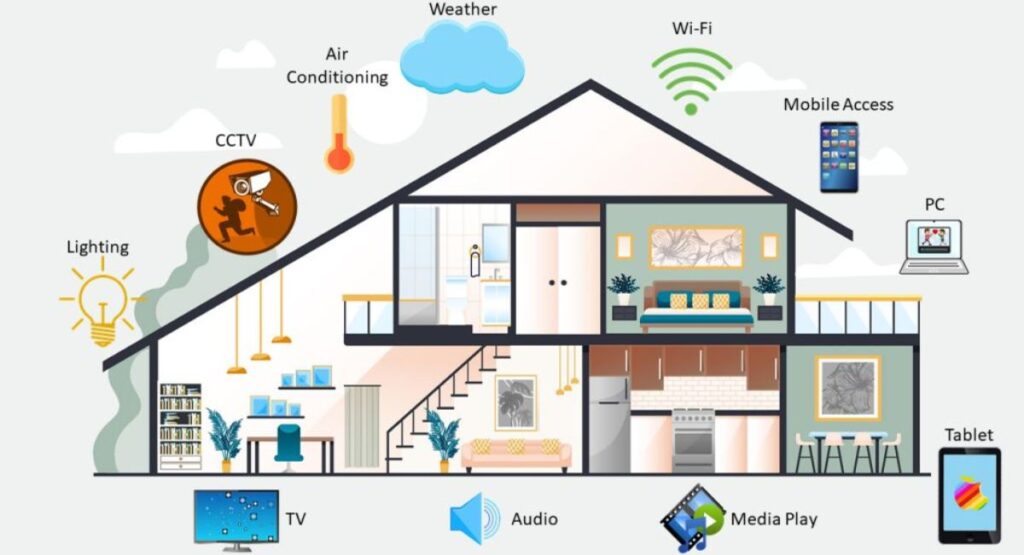
Modern home design is no longer focused only on appearance. Functionality and smart living have become equally important. Digital tools now help designers integrate smart home systems directly into architectural planning.
Lighting, security systems, climate control, entertainment devices, and smart appliances can all be connected and controlled through mobile apps or voice assistants. Designers use digital simulations to ensure these systems work efficiently within the home layout.
Smart homes improve convenience, security, and energy efficiency. As technology continues to advance, digital integration will become a standard part of residential design rather than an optional luxury.
Digital Tools for Interior Design
Interior design has also experienced a major transformation through technology. Digital platforms allow designers to experiment with furniture placement, wall colors, textures, and décor elements without physically moving anything.
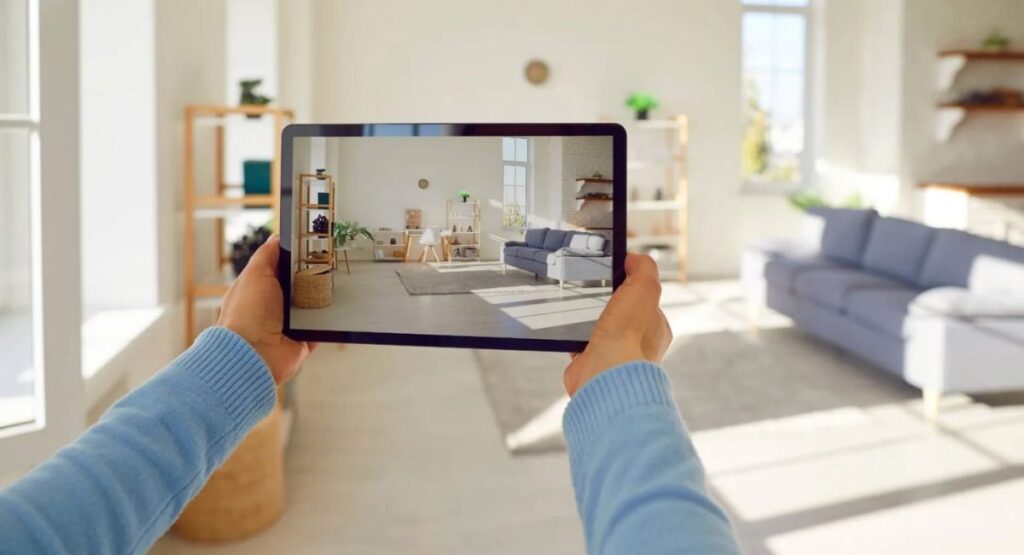
Homeowners can upload photos of their rooms and test different design ideas using augmented reality applications. Some apps even allow users to place virtual furniture inside real spaces through smartphone cameras.
This technology helps clients visualize outcomes clearly and reduces uncertainty during the decorating process. It also saves time and prevents expensive purchasing mistakes.
Building Information Modeling (BIM)
Building Information Modeling, commonly known as BIM, has become one of the most powerful digital tools in modern construction and architecture. BIM software creates intelligent 3D models containing detailed information about every component of a building.
Architects, engineers, and contractors can work together using the same digital model. This improves collaboration and reduces errors during construction. BIM also helps estimate costs, track materials, and improve project management.
Because all project data is centralized, changes can be updated automatically across the entire system. This increases efficiency and ensures better accuracy throughout the design and construction process.
Benefits of Digital Tools in Home Design
Digital technology provides numerous advantages for homeowners and professionals alike. One of the biggest benefits is improved accuracy. Advanced software reduces human error and ensures precise measurements.
Another major benefit is faster project completion. Designers can quickly test ideas, make revisions, and communicate changes instantly. This shortens timelines and improves productivity.
Customization has also become easier than ever. Homeowners can personalize layouts, materials, colors, and finishes according to their preferences. Digital tools provide flexibility that traditional design methods could never achieve.
Additionally, these technologies help reduce costs by minimizing mistakes and improving planning efficiency.
Sustainability and Eco-Friendly Design
Sustainability has become a major focus in modern architecture, and digital tools are playing a key role in environmentally friendly home design. Software can analyze energy usage, natural lighting, airflow, and insulation performance before construction begins.
Designers use this data to create energy-efficient homes that reduce environmental impact and lower utility bills. Solar panel placement, water-saving systems, and eco-friendly materials can all be optimized through digital planning tools.
By improving resource management, technology is helping homeowners build smarter and more sustainable living spaces.
The Role of Augmented Reality in Home Design
Augmented reality is another innovation changing the way people design homes. Unlike virtual reality, which creates a fully digital environment, augmented reality overlays digital elements onto the real world.
Using AR applications, homeowners can preview furniture, wall art, and decorations inside actual rooms through smartphones or tablets. This creates a more realistic understanding of how design choices will look in practice.
AR technology improves confidence during purchasing decisions and helps avoid design mismatches.
Challenges of Digital Transformation in Home Design
Despite the many advantages, digital transformation also comes with challenges. Advanced software can be expensive, especially for small firms or independent designers. Learning complex design tools also requires time and training.
Another challenge is technology dependence. Software errors, compatibility issues, or system failures can sometimes disrupt projects. Additionally, while digital tools improve efficiency, they cannot fully replace human creativity and personal design experience.
Successful home design still depends on balancing technology with artistic vision and practical understanding.
Future of Digital Home Design
The future of home design will likely become even more technology-driven. Artificial intelligence, robotics, and automation are expected to play larger roles in architecture and construction.
3D printing may revolutionize the building industry by allowing entire home components to be produced quickly and efficiently. Smart homes will become more intelligent and interconnected, adapting automatically to user behavior and preferences.
As technology continues to evolve, digital tools will further simplify design processes while creating homes that are smarter, safer, and more personalized than ever before.
| Digital Tool | Main Purpose | Key Benefit |
|---|---|---|
| 3D Rendering Software | Visualizing home designs | Realistic previews |
| Virtual Reality | Immersive walkthroughs | Better decision-making |
| Artificial Intelligence | Layout optimization | Faster planning |
| BIM Software | Construction coordination | Improved accuracy |
| Augmented Reality | Virtual furniture placement | Better visualization |
| Smart Home Systems | Home automation | Convenience and efficiency |
Conclusion
Digital tools are transforming modern home design in ways that were once unimaginable. From AI-powered planning to virtual reality walkthroughs, technology has made home design more accurate, efficient, creative, and accessible. Homeowners can now participate actively in the design process and visualize their spaces before construction even begins.
These innovations are not only improving aesthetics but also enhancing sustainability, comfort, and functionality. While challenges still exist, the benefits of digital transformation far outweigh the drawbacks. As technology continues to advance, the future of home design will become even smarter, more personalized, and more innovative