

Introduction to the Fastest Growing Plant

When we talk about the fastest growing plant on Earth, the first name that comes to mind is bamboo. It is an extraordinary plant known for its incredible growth speed, strength, and wide range of uses. In ideal conditions, some bamboo species can grow up to 91 cm (almost 3 feet) in just one day, making it one of nature’s greatest wonders.
Bamboo is not just fast-growing it is also environmentally friendly, highly renewable, and extremely useful in construction, furniture, paper, and even food industries. Alongside bamboo, there are also several other fast-growing plants like duckweed and kudzu that show remarkable growth patterns.
In this article, we will explore bamboo in detail, understand why it grows so fast, and also look at other rapidly growing plants on Earth.
Table of Contents
- What Makes a Plant Grow Fast?
- Bamboo: The Fastest Growing Plant on Earth
- Types of Bamboo and Growth Speed
- Structure Behind Bamboo’s Rapid Growth
- Other Fast-Growing Plants in the World
- Environmental Importance of Fast-Growing Plants
- Uses of Bamboo in Daily Life
- Comparison Table of Fast-Growing Plants
- FAQs
What Makes a Plant Grow Fast?
Plant growth depends on several natural and biological factors. Fast-growing plants usually have:
- Rapid cell division
- Strong and efficient root systems
- High nutrient absorption capacity
- Favorable temperature and sunlight conditions
- Specialized growth tissues
One of the most important features in bamboo is the intercalary meristem, which allows it to grow from multiple points along its stem instead of only from the top. This gives bamboo its incredible speed compared to normal trees.
Bamboo: The Fastest Growing Plant on Earth

Bamboo is technically a type of grass, not a tree. It belongs to the Poaceae family and includes over 1,400 species worldwide. Despite its grass classification, bamboo can grow to the height of tall trees within a very short time.
Key facts about bamboo growth:
- Some species grow up to 91 cm per day
- Can reach full height in a few weeks to months
- Matures completely in 3–5 years
- Thrives in tropical and subtropical climates
Unlike trees that take decades to mature, bamboo reaches its full diameter early and focuses its energy on vertical growth. This makes it extremely valuable for industries that require fast renewable resources.
Types of Bamboo and Growth Speed
Different bamboo species grow at different rates, but all are fast compared to most plants.
- Moso Bamboo: One of the fastest and most widely used species
- Guadua Bamboo: Strong bamboo used in construction
- Black Bamboo: Known for its dark and decorative appearance
- Golden Bamboo: Common in gardens and landscaping
Each species adapts to its environment but maintains rapid growth under the right conditions.
Structure Behind Bamboo’s Rapid Growth

The secret behind bamboo’s speed lies in its unique internal structure.
Main reasons for fast growth:
- Intercalary meristem: Growth occurs at multiple points along the stem
- Efficient vascular system: Quickly transports water and nutrients
- Segmented nodes: Allow rapid elongation
- Strong root system: Supports fast energy absorption
This structure allows bamboo to grow in a way completely different from normal trees. Instead of slow and steady expansion, bamboo experiences rapid vertical bursts of growth.
Other Fast-Growing Plants in the World
While bamboo is the fastest in height growth, several other plants also grow extremely quickly:
Duckweed

- Fastest spreading aquatic plant
- Can double its mass in 24–48 hours
- Found on ponds and lakes
Kudzu Vine

- Extremely aggressive climbing plant
- Covers trees and buildings quickly
- Known for spreading uncontrollably in warm climates
Water Hyacinth
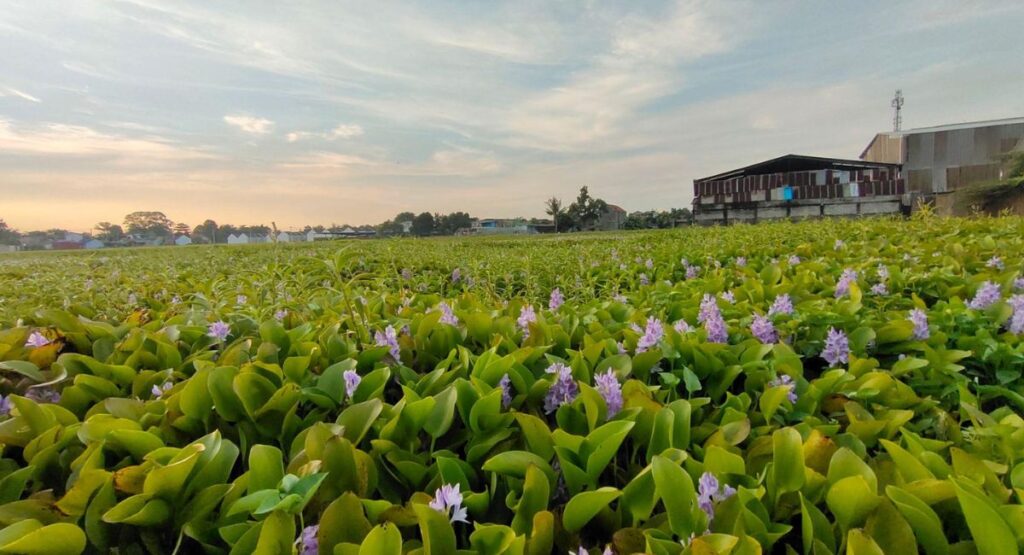
- Fast-growing floating plant
- Covers entire water surfaces rapidly
- Often considered invasive
Sunflower
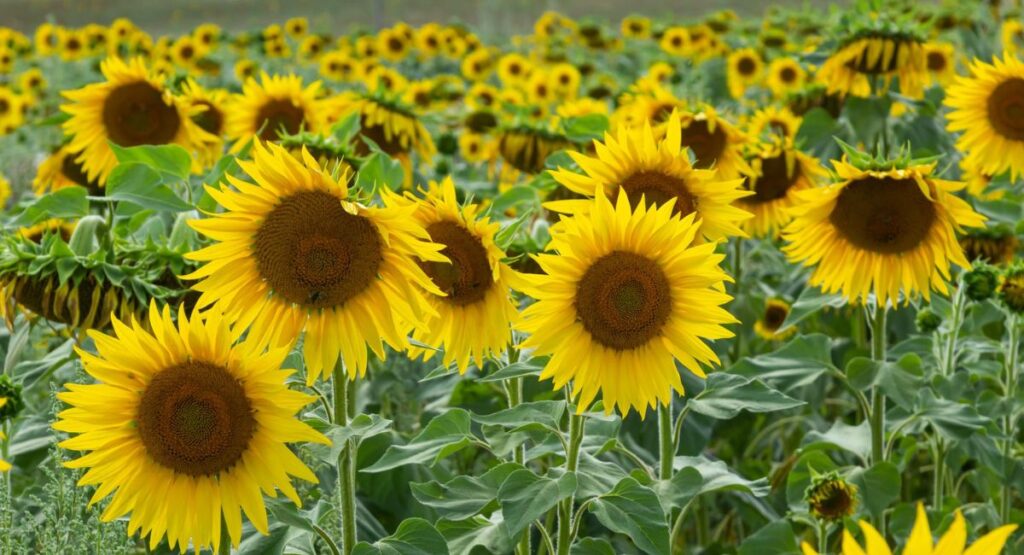
- Rapid seasonal growth
- Reaches full height in a few months
- Common agricultural crop
These plants show how nature uses fast growth for survival and expansion.
Environmental Importance of Fast-Growing Plants
Fast-growing plants play a very important role in nature:
- Absorb large amounts of carbon dioxide
- Prevent soil erosion
- Provide shelter for wildlife
- Help in water purification
- Support reforestation projects
Bamboo especially is known for producing more oxygen and absorbing more CO₂ compared to many tree species.
Uses of Bamboo in Daily Life
Bamboo is one of the most useful natural materials on Earth.
Common uses include:
- Construction of houses and bridges
- Furniture making
- Paper production
- Textile industry
- Food (bamboo shoots)
- Musical instruments
Its strength is often compared to steel, while still being lightweight and flexible.
Comparison Table of Fast-Growing Plants
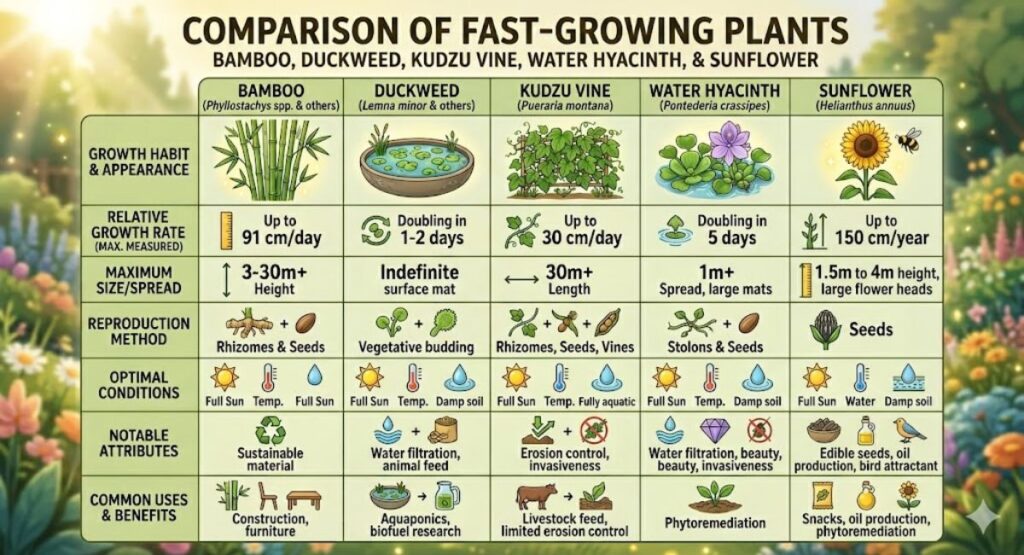
| Plant Name | Growth Speed | Type | Main Use | Habitat |
|---|---|---|---|---|
| Bamboo | Up to 91 cm/day | Grass | Construction, food | Tropical regions |
| Duckweed | Doubles in 1–2 days | Aquatic | Water cleaning | Freshwater bodies |
| Kudzu Vine | Very fast spread | Vine | Limited use | Warm climates |
| Water Hyacinth | Rapid surface cover | Aquatic | Sometimes invasive | Lakes, ponds |
| Sunflower | Fast seasonal growth | Flower | Oil, decoration | Farmland |
FAQs
Q: What is the fastest growing plant on Earth?
A: Bamboo is considered the fastest growing plant, with some species growing nearly 1 meter in a single day.
Q: Is bamboo a tree or grass?
A: Bamboo is actually a type of grass.
Q: Why does bamboo grow so fast?
A: Because of its special growth system called intercalary meristem.
Q: Can bamboo grow everywhere?
A: It grows best in tropical and subtropical climates.
Q: Are fast-growing plants always useful?
A: Not always some like kudzu and water hyacinth can become invasive.
Conclusion
Bamboo stands as the fastest growing plant on Earth and one of nature’s most efficient creations. Its rapid growth, strength, and versatility make it extremely valuable for humans and the environment. Alongside bamboo, other fast-growing plants like duckweed and water hyacinth show how powerful nature can be when it comes to adaptation and survival.
With proper understanding, these plants can be used to improve sustainability, restore ecosystems, and support future environmental needs.