
A Quick Look at Hornets Through Image
Hornets are among the most fascinating and misunderstood insects in the world. With their bold colors, large size, and intimidating appearance, they often spark curiosity and sometimes fear. But beyond their reputation, hornets are incredibly important to ecosystems.
If you’re searching for hornet images, you’re likely trying to identify them, understand their behavior, or simply admire their unique structure. This guide will walk you through everything you need to know, using visual understanding as the foundation. From close-up anatomy to real-life nesting scenes, hornet images provide a complete picture of how these insects live and interact with their environment.
Table of Contents
- What Are Hornets?
- Different Types of Hornets (With Image Insights)
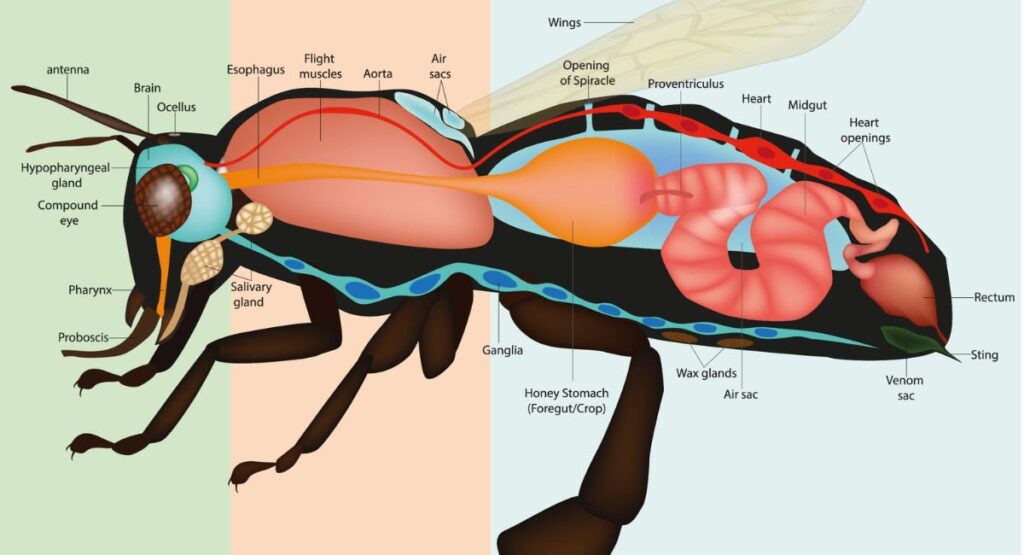
- Hornet Anatomy Explained Through Images
- Hornet Nests: Visual Identification Guide
- Hornet Behavior Captured in Images
- Where You Can Find Hornets
- Safety Tips When Observing Hornets
- Uses of Hornet Images in Learning & Research
- Table: Key Hornet Types Comparison
- FAQs
What Are Hornets?
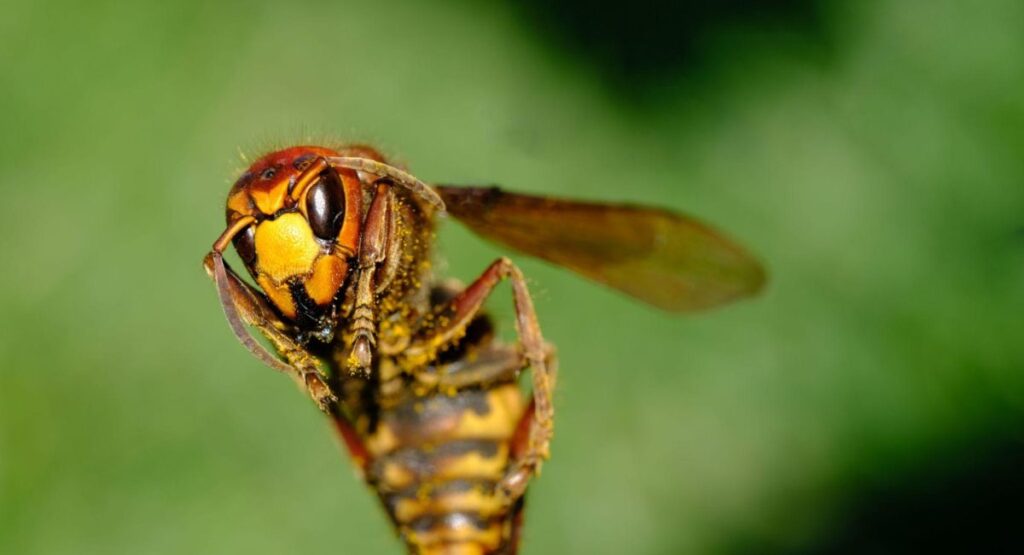
Hornets are a type of large wasp belonging to the genus Vespa. They are known for their strong build, powerful sting, and social colony behavior. Unlike bees, hornets can sting multiple times, making them more defensive in nature.
From images, you’ll notice:
- A thicker and more muscular body compared to typical wasps
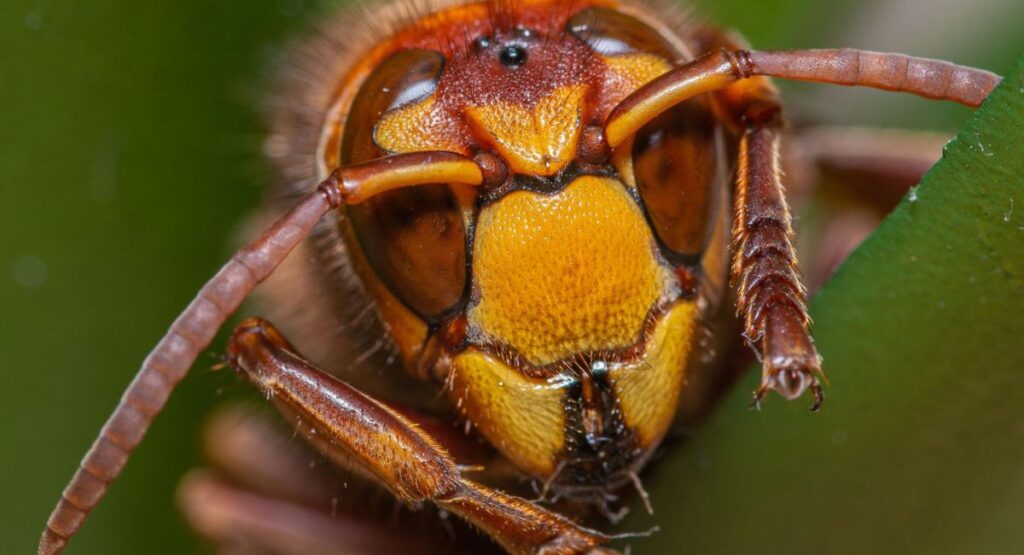
- Prominent compound eyes that help them detect movement
- Distinct yellow, black, reddish, or brown patterns
- Strong mandibles used for hunting and chewing
Hornet images often highlight their aggressive look, but in reality, they are not always dangerous unless threatened. Many species are actually beneficial because they help control harmful insect populations like flies, caterpillars, and crop pests.
Different Types of Hornets (With Image Insights)
Hornets come in several species, each with unique visual traits that can be identified through images.
Asian Giant Hornet
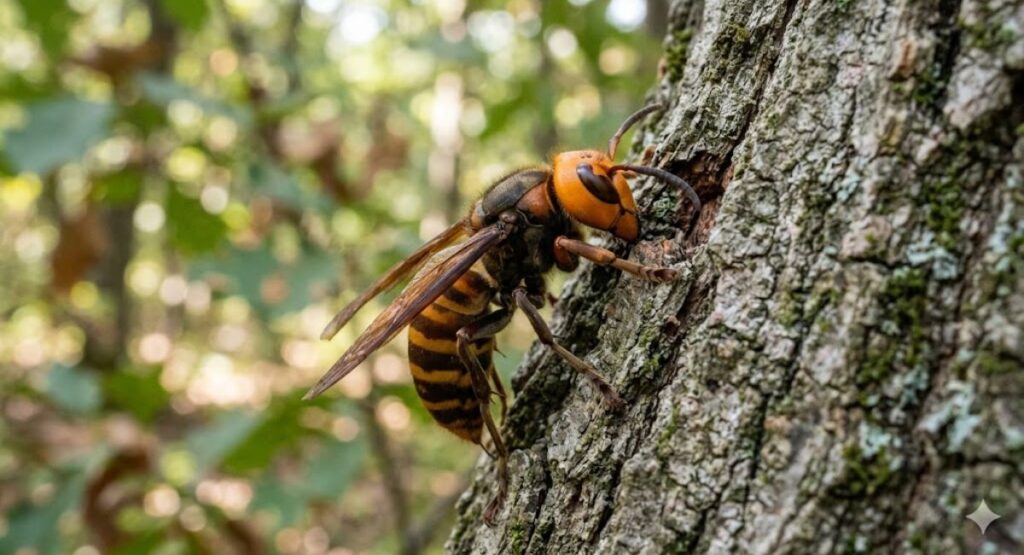
The largest hornet species in the world. It has a massive orange head, thick striped body, and powerful jaws.
European Hornet
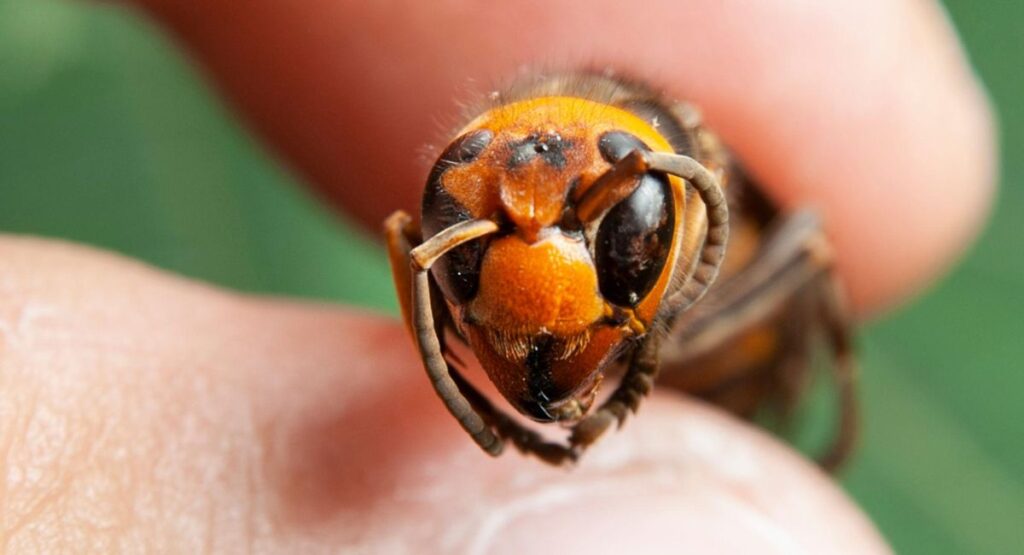
A calmer species with brown and yellow tones, often seen in gardens and wooded areas.
Bald-Faced Hornet
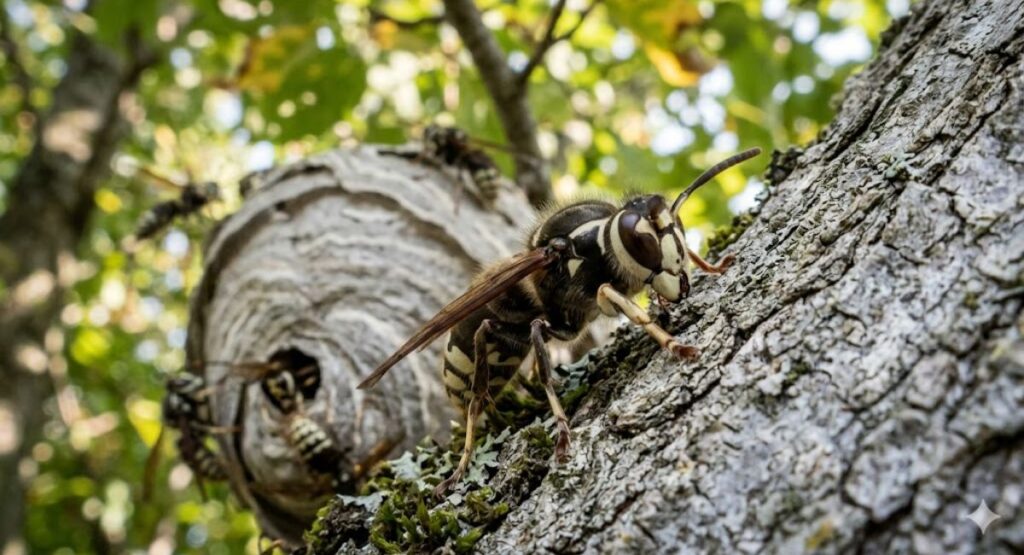
Recognizable by its black body and white face, known for building large aerial nests.
Yellow Hornet
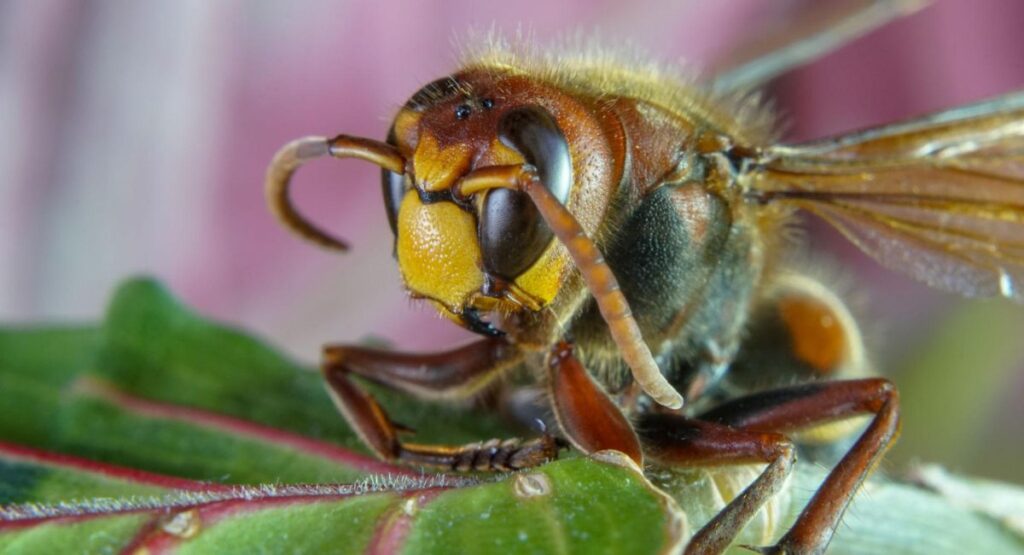
Smaller but fast and aggressive, with bright yellow markings.
Images of these species help in quick identification and understanding of their differences.
Hornet Anatomy
Hornet anatomy becomes much easier to understand when viewed visually.
- Head: Contains compound eyes, antennae, and mandibles
- Thorax: Strong middle section supporting wings and legs
- Abdomen: Striped rear part with a stinger
- Wings: Transparent and powerful for fast flight
Macro images reveal fine details like body texture, hairs, and wing structure, which are otherwise hard to see.
Hornet Nests: Visual Identification Guide
Hornet nests are one of the clearest signs of their presence.
From images, nests usually look like:
- Paper-like structures made from chewed wood
- Rounded or oval shapes
- Layered and textured outer surfaces
They can be found hanging from trees, attached to buildings, or hidden inside walls. The inner structure of nests, visible in some images, shows organized compartments for larvae.
Hornet Behavior Captured in Images
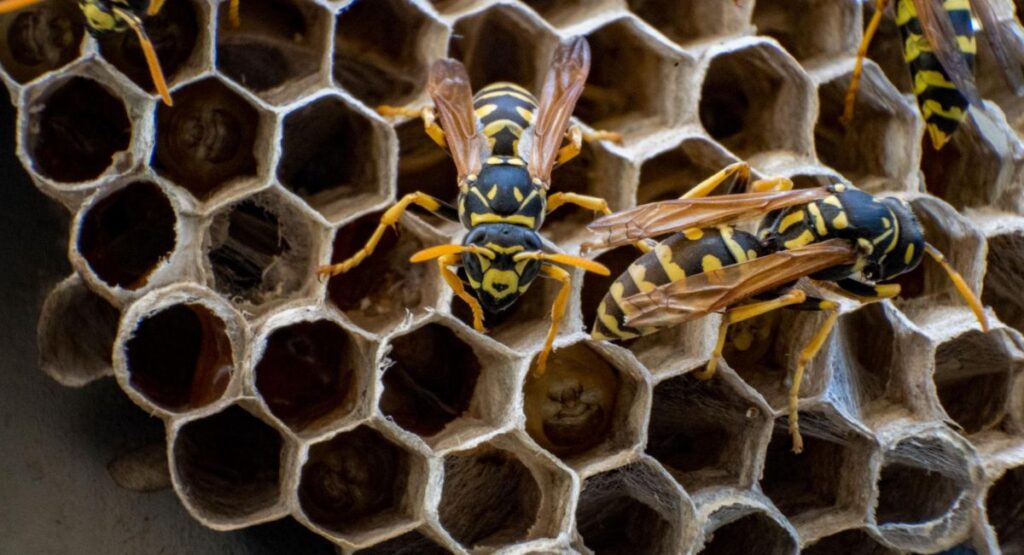
Images provide powerful insights into hornet behavior.
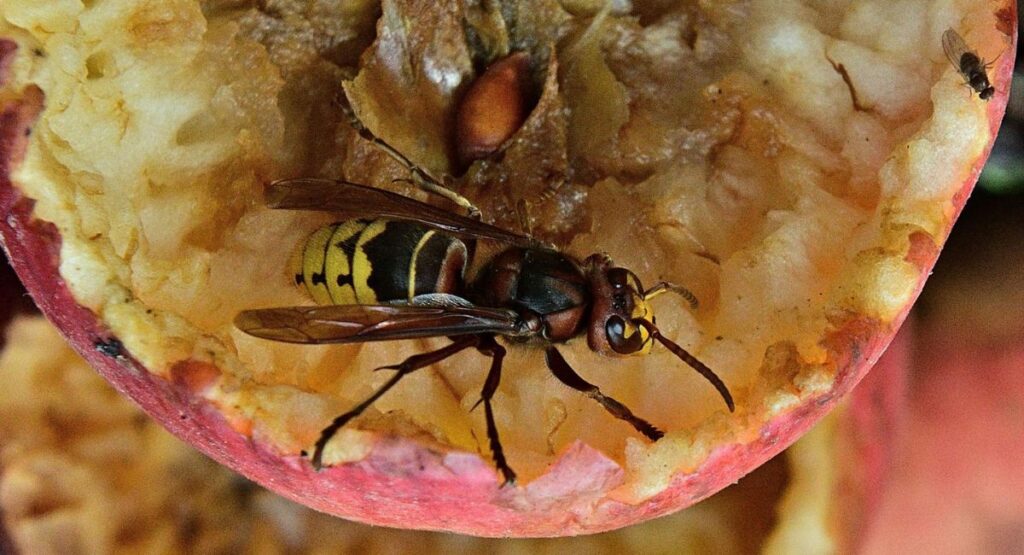
- Hunting: Hornets capture insects for food
- Feeding: Often seen on fruits or sugary substances
- Defense: Aggressive posture near nests
- Flight: Fast and precise movement
These behaviors are often captured in wildlife photography, helping people understand how hornets interact with their environment.
Where You Can Find Hornets
Hornets are found in many regions around the world.
- Asia has the largest and most diverse species
- Europe is home to the European hornet
- North America commonly features bald-faced hornets
Images from different regions show variations in size, color, and nesting habits depending on the environment.
Safety Tips When Observing Hornets
Observing hornets in real life requires caution.
- Stay away from nests
- Avoid sudden movements
- Do not attempt to remove nests
- Use protective clothing if necessary
Learning from images can help you recognize danger signs and stay safe.
Uses of Hornet Images in Learning & Research
Hornet images are useful in many areas:
- Educational content
- Scientific studies
- Pest control identification
- Wildlife photography
They help researchers and students study hornets without disturbing them.
Table: Key Hornet Types Comparison
| Hornet Type | Size | Color Pattern | Habitat | Aggression Level |
|---|---|---|---|---|
| Asian Giant Hornet | Very Large | Orange & Black | Forests (Asia) | Very High |
| European Hornet | Medium | Brown & Yellow | Trees, buildings | Moderate |
| Bald-Faced Hornet | Medium | Black & White | Aerial nests | High |
| Yellow Hornet | Small | Bright Yellow | Various | High |
FAQs
Q: Are hornets dangerous to humans?
A: Yes, hornets can be dangerous if provoked. Their stings are painful and can cause allergic reactions.
Q: Why do hornets look aggressive in images?
A: Their sharp features and bold colors give them a naturally fierce appearance.
Q: Can hornets sting multiple times?
A: Yes, they can sting repeatedly unlike bees.
Q: How can I identify a hornet from an image?
A: Look for a thick body, large head, and distinct yellow-black patterns.
Q: Where do hornets build nests?
A: Usually in trees, rooftops, or hidden spaces like walls.
Final Thoughts
Hornet images are more than just visuals they are a powerful way to understand these incredible insects. From identifying species to studying behavior, images give us a deeper insight into their world.
By using clear, high-quality images, you can learn faster, stay safer, and appreciate the role hornets play in maintaining ecological balance.