
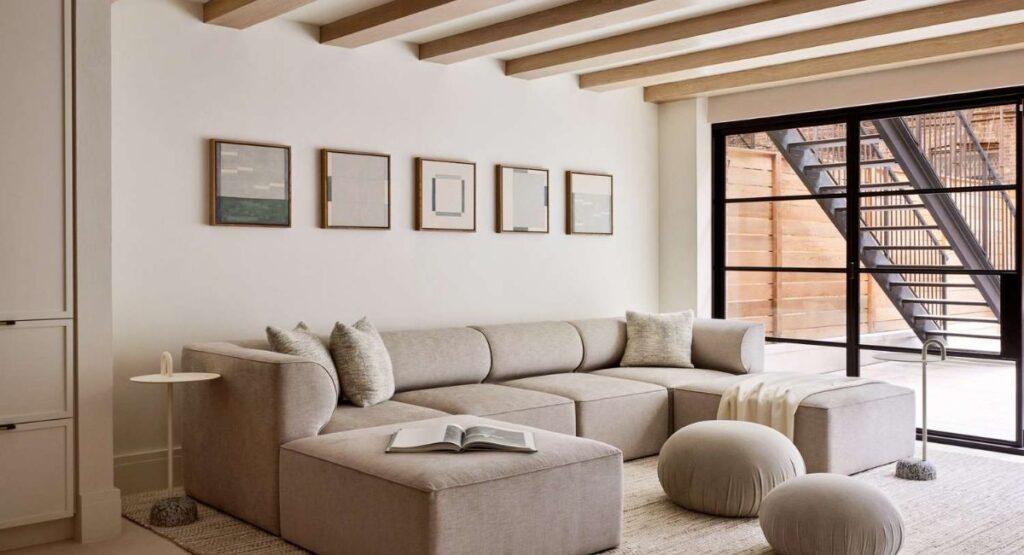
Timeless Elegance of White Beige in Modern Interior Design
When it comes to elegant and versatile colors in home décor, white beige color remains one of the most popular choices among homeowners, interior designers, and architects. This soft neutral shade creates a perfect balance between warmth and brightness, making spaces feel welcoming, modern, and sophisticated at the same time. Unlike pure white, which can sometimes appear too cold, white beige adds subtle warmth without overwhelming a room.
In recent years, white beige color has become a major trend in modern interiors because of its calming appearance and ability to match almost every design style. Whether you love minimalist homes, luxury interiors, Scandinavian décor, farmhouse themes, or contemporary spaces, this color works beautifully in every setting.
The biggest reason behind the popularity of white beige color is its flexibility. It can be used on walls, furniture, curtains, flooring, kitchens, bathrooms, and even exterior surfaces. Since neutral colors never go out of style, choosing white beige for your home can create a timeless appearance that stays attractive for years.
What Is White Beige Color?
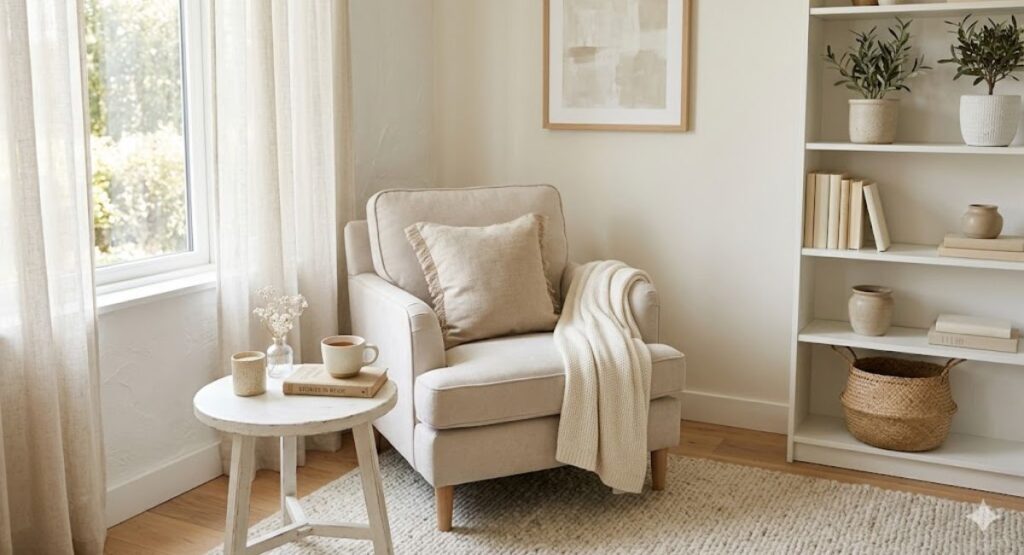
White beige color is a neutral shade created by blending white with soft beige undertones. It is lighter than traditional beige and warmer than plain white. This combination results in a creamy, elegant tone that feels cozy while still maintaining brightness.
The exact appearance of white beige may vary depending on lighting conditions and the undertones mixed into the color. Some shades may lean slightly warm with yellow undertones, while others may have gray or cream influences for a softer modern look.
This color is widely used in interior design because it reflects natural light beautifully and creates a peaceful atmosphere. It also pairs effortlessly with wood textures, metallic finishes, stone materials, and natural fabrics.
Why White Beige Color Is Trending in Modern Homes
One of the main reasons white beige color has become extremely popular is the shift toward calm and relaxing interiors. Modern homeowners prefer spaces that feel open, airy, and stress-free, and neutral shades help achieve this effect perfectly.
White beige creates a clean background while still adding warmth to the environment. Unlike dark colors that can make rooms feel smaller, this shade helps spaces appear larger and brighter.
Another reason for its popularity is social media and modern home inspiration platforms. Many luxury interior designs now feature warm neutrals instead of stark white palettes. This has encouraged homeowners to replace colder tones with softer shades like white beige.
Additionally, the color complements natural sunlight beautifully, making rooms feel fresh during the day and cozy at night.
Best Ways to Use White Beige Color in Interior Design
White beige color can transform almost any part of a home. Because of its neutral nature, it works well as both a primary and secondary color.
Living Rooms
In living rooms, white beige walls create a soft and elegant atmosphere. Pairing them with wooden furniture, linen curtains, and textured rugs enhances warmth and comfort.
This color also works beautifully with modern furniture in black, gray, cream, or gold finishes. Adding indoor plants can further elevate the natural aesthetic of the space.
Bedrooms
Bedrooms benefit greatly from white beige tones because they create a calm and peaceful environment. Soft neutral bedding, layered textures, and warm lighting can make the room feel luxurious and relaxing.
Many designers recommend white beige for smaller bedrooms because it reflects light and makes the room appear more spacious.
Kitchen
White beige kitchens have become increasingly popular in modern homes. Cabinets in this shade create a clean and elegant appearance without feeling too clinical.
Combining white beige cabinets with marble countertops, wooden shelves, or matte black fixtures creates a balanced modern look that feels both stylish and timeless.
Bathrooms
Bathrooms designed with white beige tones feel spa-like and luxurious. This shade pairs beautifully with natural stone tiles, warm lighting, and minimalist accessories.
Using white beige in bathrooms can also make compact spaces feel brighter and cleaner.
Home Offices
For home offices, white beige helps create a focused and calming environment. Since the color is not visually distracting, it supports productivity while maintaining a sophisticated appearance.
Popular White Beige Color Combinations
One of the greatest advantages of white beige color is its compatibility with many other shades. It can work with bold accents or soft neutral palettes depending on the desired interior style.
| Color Combination | Effect Created |
|---|---|
| White Beige and Wood Brown | Warm and natural appearance |
| White Beige and Black | Modern and luxurious contrast |
| White Beige and Gray | Minimalist and contemporary feel |
| White Beige and Olive Green | Earthy and calming atmosphere |
| White Beige and Gold | Elegant and premium look |
| White Beige and Soft Blue | Fresh and relaxing environment |
White Beige Color for Small Spaces
Small rooms often feel cramped when darker shades are used excessively. White beige color solves this issue by reflecting light and visually expanding the room.
Unlike pure white, which can sometimes appear sterile, white beige adds depth and warmth while maintaining brightness. This makes it ideal for apartments, compact bedrooms, hallways, and studio spaces.
Using mirrors, natural lighting, and minimal furniture alongside white beige walls can further enhance the sense of openness.
The Psychological Effect of White Beige Color
Colors significantly influence emotions and mood, and white beige is known for creating feelings of comfort, calmness, and balance.
Neutral shades are often associated with simplicity and relaxation. White beige reduces visual stress and creates an inviting atmosphere that feels peaceful and organized.
This is one reason why luxury hotels, modern cafés, and premium homes frequently use warm neutral palettes. The color naturally promotes comfort and elegance.
White Beige Color in Minimalist Design
Minimalist interiors focus on simplicity, clean lines, and uncluttered spaces. White beige perfectly supports this design philosophy because it provides warmth without unnecessary visual heaviness.
Many minimalist homes use white beige walls combined with textured materials such as wood, stone, cotton, and linen. This creates depth while maintaining a clean overall appearance.
The color also allows decorative elements to stand out naturally without making the space feel overly busy.
Choosing the Right Shade of White Beige
Not all white beige shades look identical. Some appear creamy and warm, while others have cooler undertones.
When selecting the right shade, consider the following factors:
- Natural lighting in the room
- Size of the space
- Existing furniture colors
- Flooring materials
- Desired interior style
Rooms with limited sunlight often benefit from warmer white beige tones, while bright rooms can handle cooler variations.
Testing paint samples on walls before finalizing a choice is always recommended because lighting can dramatically change the appearance of the color.
White Beige Color for Exterior Design
White beige is not limited to interiors. It is also widely used in exterior house designs because it creates a clean and elegant curb appeal.
Homes painted in white beige often look sophisticated and timeless. The shade pairs beautifully with stone textures, wooden doors, black window frames, and landscaped greenery.
Additionally, white beige exterior colors tend to remain visually appealing across changing design trends, making them a practical long-term choice.
Furniture and Décor That Match White Beige
One of the best things about white beige color is that it works with nearly every décor style. Whether your taste is modern, rustic, Scandinavian, traditional, or luxury-inspired, this shade adapts easily.
Some excellent décor choices include:
- Oak or walnut wooden furniture
- Cream or linen sofas
- Matte black accents
- Gold decorative pieces
- Indoor plants
- Textured rugs
- Soft warm lighting
- Minimalist artwork
Layering different neutral textures can make a room feel rich and visually interesting without relying on bold colors.
Lighting and White Beige Color
Lighting plays a major role in how white beige appears inside a room.
Natural daylight usually enhances the softness of the shade, making spaces feel airy and fresh. Warm artificial lighting creates a cozy and inviting atmosphere, while cooler lighting may highlight gray undertones.
Interior designers often recommend warm white LED lights with white beige interiors because they maintain the softness and comfort of the color.
Common Mistakes to Avoid When Using White Beige
Although white beige is highly versatile, some design mistakes can reduce its impact.
One common issue is using too many similar shades without adding texture or contrast. This can make the room appear flat and lifeless.
Another mistake is choosing the wrong undertone for the lighting conditions. A beige shade that looks beautiful in a showroom may appear dull or yellow in a poorly lit room.
Overusing dark furniture without balancing lighter elements can also make the space feel heavy instead of elegant.
Adding layered textures, contrast pieces, and proper lighting helps maintain visual balance.
Why Designers Prefer White Beige Over Pure White
While pure white interiors were once extremely popular, many designers now prefer warmer neutrals like white beige because they feel more inviting.
Pure white can sometimes appear too sterile or harsh, especially in homes with limited natural light. White beige softens the overall look while still maintaining brightness and cleanliness.
It also hides dust, marks, and imperfections better than stark white surfaces, making it more practical for everyday living.
How White Beige Enhances Luxury Interiors
Luxury interiors often rely on subtle elegance rather than excessive decoration. White beige supports this approach perfectly.
When combined with premium materials like marble, velvet, brass, natural wood, and textured fabrics, the color creates a refined and upscale atmosphere.
Many high-end hotels and designer homes use white beige because it photographs beautifully and provides a timeless aesthetic.
Future Trends of White Beige Color
Interior design trends constantly evolve, but neutral shades continue to dominate because of their timeless appeal.
Experts predict that warm neutrals like white beige will remain popular for many years. Homeowners increasingly prefer calming interiors that feel connected to nature and wellness-focused lifestyles.
As sustainable and minimalist living becomes more important, white beige will likely continue leading modern color palettes.
Conclusion
White beige color is far more than a simple neutral shade. It represents comfort, elegance, versatility, and timeless beauty. Whether used in living rooms, bedrooms, kitchens, bathrooms, or exterior designs, this color creates spaces that feel calm, sophisticated, and welcoming.
Its ability to pair effortlessly with different materials, textures, and décor styles makes it one of the safest yet most stylish choices for modern homes. From minimalist interiors to luxury spaces, white beige adapts beautifully while maintaining a warm and balanced appearance.
For homeowners seeking a color that will remain attractive for years while also supporting modern design trends, white beige is undoubtedly one of the best options available.
FAQs
Is white beige color good for small rooms?
Yes, white beige color reflects light and helps small rooms appear larger, brighter, and more open.
Does white beige work with modern interiors?
Absolutely. White beige is widely used in modern, minimalist, Scandinavian, and luxury interior designs.
What colors match white beige best?
Wood brown, black, gray, olive green, gold, and soft blue all pair beautifully with white beige.
Is white beige warmer than pure white?
Yes, white beige has warm undertones that create a softer and more welcoming appearance compared to stark white.
Can white beige be used for exterior walls?
Yes, many homeowners use white beige for exterior house designs because it creates elegant and timeless curb appeal.